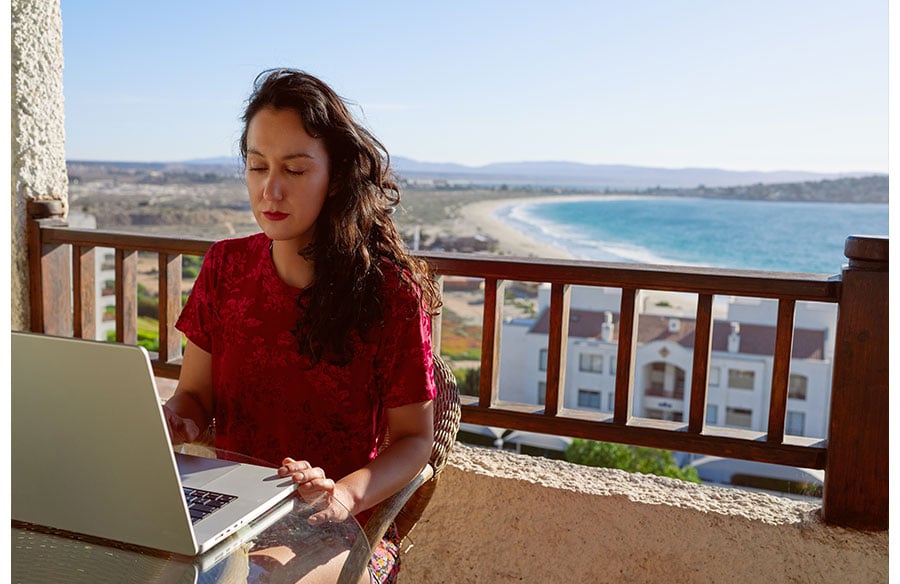
The Mediterranean is undergoing a silent structural revolution. For decades, the architectural narrative of the Spanish coast and its historic inland towns was dominated by the tourism industry—hotels, seasonal resorts, and ephemeral holiday rentals. Today, however, we are witnessing the dawn of a new era. The Mediterranean is rapidly evolving into a decentralized “Silicon Valley” of sorts, where the primary currency is not just technological innovation, but spatial quality and lifestyle design.
In my daily legal practice guiding US and UK citizens through their relocation processes, I see a definitive shift in spatial demands. The modern expatriate is no longer searching for a simple vacation home. They are looking to actively redesign their permanent working environment, bringing sophisticated architectural sensibilities to centuries-old structures. The barriers to this lifestyle are no longer technological; with the right legal pathways now open, global professionals are fundamentally changing how we interact with Spain’s built heritage.
The Workspace Revolution: Heritage Meets High-Tech
We are currently observing a fascinating trend in adaptive reuse. Traditional Catalan masías, Andalusian cortijos, and grand modernist apartments in Barcelona and Valencia are being meticulously retrofitted into sustainable, high-performance remote work hubs.
Architects and interior designers are now tasked with blending hyper-connectivity and ergonomic workspaces within buildings governed by strict heritage protection laws. This requires a delicate balance of preserving original exposed brickwork, vaulted ceilings, and hydraulic tiles, while integrating invisible smart-home technologies and acoustic insulation.
However, before the first architectural sketch is drawn, the structural foundation of these projects relies on legal certainty. Spain’s recent legislative changes have acted as a catalyst for this architectural renaissance. For global professionals looking to relocate their headquarters to a historic Spanish setting, understanding Spain’s digital nomad visa requirements has become as crucial to a project’s success as the architectural blueprint itself. It is the legal framework that transforms a transient visit into a stable, sustainable work environment.
From Temporary Haven to Permanent Residence: The Architectural Commitment
As remote work ceases to be a pandemic-era experiment and solidifies into a permanent global working model, the psychological and architectural relationship expats have with their Spanish properties is shifting. Initially, many arrive with a short-term vision, renting turnkey, co-living spaces. But as they integrate into the local rhythm, the desire for permanence takes root.
This transition drastically changes their impact on the local real estate and architectural sectors. When a digital nomad decides to put down roots, they transition from being passive renters to active patrons of architecture. They invest in deep retrofits, passive house standards, and locally sourced, sustainable materials to create multi-generational homes. For families and investors transitioning to a long-stay visa, the focus shifts toward commissioning extensive, long-term rehabilitations. They are not just buying property; they are engaging in the cultural and architectural preservation of their new host country.
The Future of the “Silver Economy”: Sustainable Communities
Beyond the young remote workforce, the concept of the global sanctuary is also reshaping the architecture of retirement. The “Silver Economy” is driving demand for specific spatial configurations on the Spanish coast, particularly in areas like Alicante and the Costa del Sol.
We are moving away from isolated, traditional retirement homes toward community-centric, sustainable living models. Concepts like co-housing for seniors, universal design (environments that are naturally accessible to all ages without looking clinical), and biophilic design are becoming the standard. These architectural models foster community interaction, combat the isolation often felt by expatriate retirees, and integrate seamlessly with the natural Mediterranean landscape, proving that thoughtful architecture is a critical component of healthy aging.
Designing a Life Without Borders
The intersection of forward-thinking immigration law and adaptive architecture is creating a new paradigm for global living. The buildings we inhabit shape our daily realities, and by removing the legal friction of international borders, we empower individuals to design their lives in spaces that truly inspire them. The future of global mobility isn’t just about moving people from one country to another; it’s about seamlessly integrating them into the architectural and cultural fabric of a new home.
Lucía Lagunas
She is a Senior Immigration Expert at My Spain Visa. She bridges the gap between global mobility and legal security, helping remote workers, investors, and retirees successfully design their new lives in Spain. She specializes in digital nomad routes and retirement in Spain, ensuring that the transition to a Mediterranean lifestyle is built on a solid legal foundation.