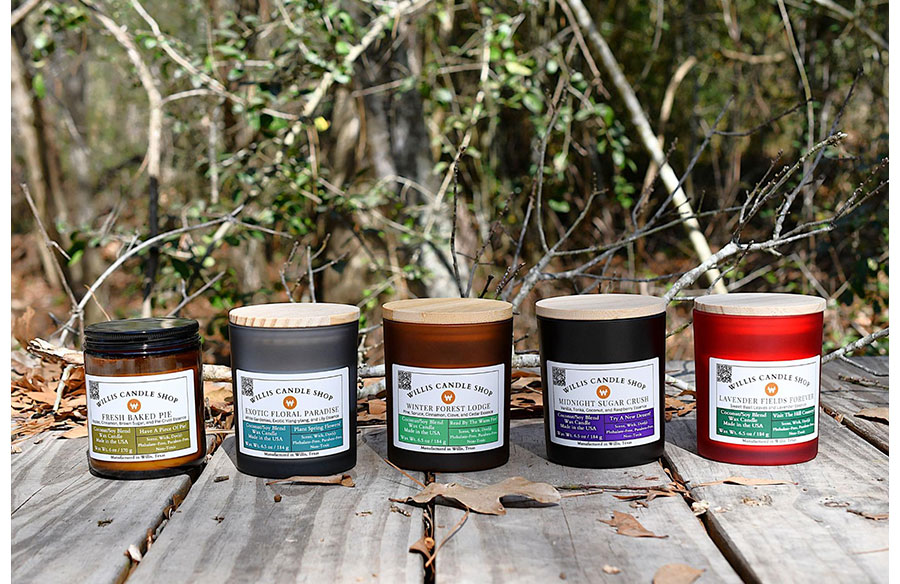
In the world of modern architecture and interior design, the “atmosphere” of a space is often discussed in terms of light, shadow, and structural materials. However, a truly holistic approach to environmental design must include the olfactory and chemical composition of the air we breathe. As a retired FBI Special Agent and U.S. Marine, my career was built on the rigorous analysis of environments—identifying threats, verifying data, and ensuring operational security. When I transitioned into the world of high-end manufacturing at the Willis Candle Shop, I applied this same “no-shortcuts” investigative rigor to the science of home fragrance. Our mission is to redefine the domestic sanctuary by treating the candle not as a mere decorative object, but as a precisely engineered component of indoor air quality and psychological well-being.
The Molecular Blueprint: Beyond the “Natural” Marketing Veil In the design industry, the term “natural” has become a diluted marketing buzzword used to obscure a lack of technical transparency. From a federal investigative perspective, vague labeling is a red flag that suggests a compromise in the chain of custody. When we began our development process in Willis, Texas, we started with a Clean Candle Comparison Chart to audit the existing market. We discovered that a significant portion of “luxury” candles utilize paraffin wax—a petroleum byproduct. For a designer or homeowner focusing on sustainability, paraffin is an architecturally unsound choice; it is a non-renewable resource that can release soot and volatile organic compounds (VOCs) when burned. At the Willis Candle Shop, we developed a proprietary molecular matrix using a custom blend of American Soy Organics’ ProFlex soy wax and Freedom coconut wax.
Structural Integrity of the Scent Throw: A Technical Analysis of 500 Test Iterations The “performance” of a candle is measured by its scent throw—the ability of fragrance molecules to transition from a solid wax state into a gaseous state and disperse evenly throughout a volume of space. Most mass-market candle manufacturers prioritize “cold throw” (shelf appeal) over “hot throw” (combustion performance). To bridge this gap, we conducted over 500 test-burn iterations. We analyzed melt pool diameters, wick consumption rates, and the molecular interaction between our coconut-soy blend and premium fragrance oils from Wholesale Supplies Plus. Through this rigorous testing, we found that a specific thermal threshold must be met for the scent to disperse without synthetic boosters. By hand-blending our waxes to exact specifications, we control the density and melt point to the exact degree. This ensures that our non-toxic wood wick candles deliver a consistent, safe, and powerful olfactory experience.
The Auditory Element: Incorporating Sound into Interior Design Modern design often focuses on the visual and the tactile, yet the auditory environment is equally critical to how a person experiences a space. Our Wood Wick Barrel Candle Collection incorporates sustainably sourced wood wicks from Makesy, which provide a distinct functional advantage over cotton core wicks. Architecturally, the wood wick acts as a wider heat source, creating a more efficient melt pool that prevents “tunneling”—the failure of a candle to utilize its full volume of wax. Beyond physics, the wood wick introduces the element of sound. The subtle, rhythmic crackle mimics the presence of a natural hearth, providing a layer of “sensory decompression.”
Chemical Transparency: The “Fact-Only” Protocol in Manufacturing Transparency is the only effective counter-measure to the “greenwashing” prevalent in the e-commerce marketplace. My investigative background taught me that trust is built on verifiable evidence. This is why the Willis Candle Shop operates on a “fact-only” protocol. Our label not only tells you what is in the candle, but more importantly, it tells you what is NOT in the candle. We certify every vessel as phthalate-free, paraben-free, and non-toxic. We do not use lead-core wicks or synthetic dyes unless explicitly requested for a specific aesthetic. By sourcing all materials domestically, we maintain a transparent chain of custody.
The Property-Based Mission: Precision in a Localized Foundry There is a stark difference between a global candle brand and a veteran-owned artisan foundry. After thirty years of service, including receiving the U.S. Attorney General’s Award for investigative excellence, my focus shifted to a “property-based mission” in Willis, Texas. This transition allowed me to build a professional-grade manufacturing facility just 30 feet from my residence. This proximity allows for a level of quality control that is unattainable in large-scale overseas factories. Every batch is monitored for pour temperature and ambient humidity, ensuring that the “Select Barrel” or “Vintage Barrel” collections meet a Six Sigma standard of excellence.
Sustainability as a Design Philosophy: Sourcing and Environment In the context of modern interior planning, sustainability cannot be a secondary thought; it must be the foundation of the design. By choosing renewable coconut and soy waxes over petroleum-based paraffin, we are making a commitment to the environment that begins at the molecular level. Our products are “eco-friendly candles” not because of a marketing label, but because their chemical makeup is biodegradable and renewable. We utilize glass vessels that are designed for reuse, encouraging a circular economy within the home. This commitment extends to our support of American farmers, as our soy wax is a direct product of domestic agriculture.
The Psychology of Scent: Mental Health and Environmental Reset Designers often use color theory to influence mood, but scent is a much more direct gateway to the limbic system—the part of the brain that governs memory and emotion. We curate our scents, from teakwood to cinnamon, to facilitate specific psychological outcomes. Our labels feature motivational messages like “Hike the Rainforest” or “Remember Good Times,” serving as daily prompts for intentional living. For those seeking “candles for relaxation” or “calming candles” after a stressful workday, our products provide a reliable sensory anchor.
Indoor Air Quality: The Overlooked Safety Variable in Modern Living In my time with the Bureau, I was often tasked with identifying hidden dangers in complex environments. In the modern home, one of the most significant hidden dangers is poor indoor air quality. Mass-produced candles are often primary contributors to indoor pollution, releasing soot that can settle on walls and be inhaled into the lungs. By engineering a “clean burning candle,” we have eliminated this variable. Our custom blend of coconut and soy wax, paired with properly sized wicks, ensures a complete combustion process. This means no black smoke and no toxic residue.
The Future of American Craftsmanship: Legacy and Discipline The Willis Candle Shop represents a return to honest craftsmanship, where the founder’s word is the ultimate guarantee of quality. Being featured in the Fall 2025 issue of U.S. Veterans Magazine was a recognition of this commitment to excellence. We aren’t just building a brand; we are building a legacy that reflects the values of the Marine Corps and the FBI. We reject the mass-market approach in favor of a purposeful, artisanal method. Every candle we pour in Willis, Texas, is a testament to the belief that small-batch manufacturing, when powered by industrial-grade discipline, can produce a product that far exceeds the standards of global corporations.
Conclusion: Designing a Life of Purpose through the Willis Standard Illuminating a space is about more than just light; it is about the intention behind the flame. At the Willis Candle Shop, we have taken thirty years of federal service and redirected it into a product that brings warmth, fragrance, and safety to the home. Through our commitment to chemical transparency, domestic sourcing, and industrial precision, we are setting a new standard for what a candle can be. We invite you to experience the difference that a veteran’s eye for detail makes. Whether you are a designer looking for the perfect atmospheric anchor or a homeowner seeking a safer, cleaner burn, our candles are designed to help you live intentionally.
Frequently Asked Questions
What makes wood wicks better for high-end home design and sustainability? Wood wicks offer both functional and aesthetic advantages. Functionally, they create a wider heat source that ensures an even melt pool, which is critical for the high-density coconut soy wax blends used in luxury candles.
How does the Willis Candle Shop ensure their candles are truly non-toxic and pet-safe? Our “fact-only” protocol involves a rigorous audit of every raw material. We source our wax from American Soy Organics and our fragrance oils from Wholesale Supplies Plus, ensuring that every component is certified phthalate-free, paraben-free, and non-toxic.
What is the difference between cold throw and hot throw in the manufacturing process? Cold throw refers to how a candle smells when it is unlit, while hot throw refers to the scent performance while the candle is burning. Many cheap candles have a strong cold throw but a weak hot throw because they use synthetic boosters that don’t transition well during combustion.