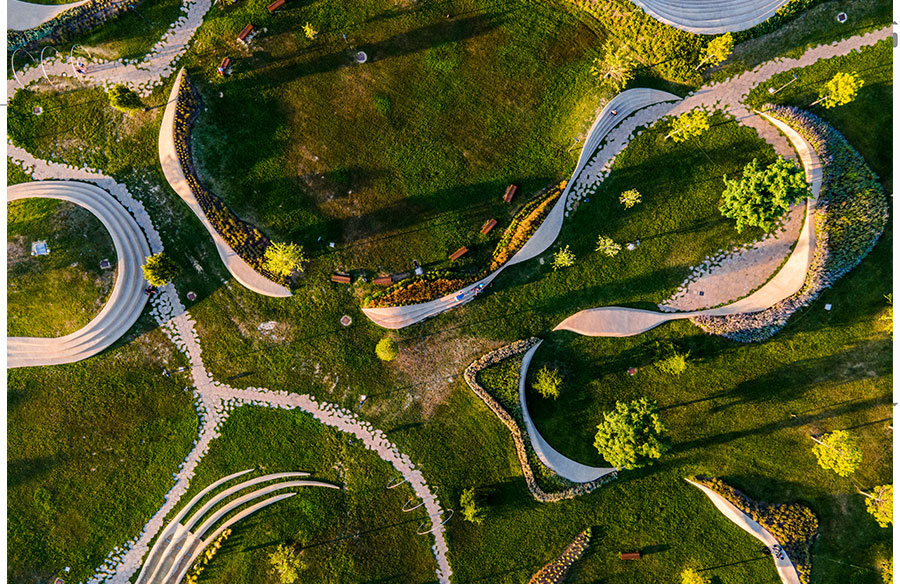
Durable public spaces emerge from deliberate choices that balance engineering needs with the realities of daily use. Within civil construction projects, landscape architecture products influence how infrastructure settles into its environment and how it performs years after handover.
From kerbs and drainage to tree surrounds and paving systems, these elements shape safety, usability and maintenance demands. Selecting reliable products early in the specification process helps reduce surprises later, while also supporting cohesive design outcomes that align with long-term asset expectations.
Why Material Quality Shapes Project Function And Stability
Landscape architecture components are often treated as finishing details, yet they carry real structural and functional weight. Edging systems define load boundaries, drainage assemblies manage runoff, and retaining elements stabilise soil conditions around built assets. When these products are engineered and manufactured to consistent standards, installation becomes more predictable and performance far more dependable.
Lower grade alternatives may appear adequate at first glance, but small flaws tend to surface under pressure, whether through cracking, warping or corrosion. Those failures often ripple outward, affecting adjacent surfaces and increasing the likelihood of remedial work.
Designing For Environmental Stress And Daily Use
Infrastructure environments are demanding by nature. Heat, rainfall variability and continuous pedestrian or vehicle movement place steady strain on landscape elements. Products built with durable materials and thoughtful detailing are better suited to handle these pressures without degrading prematurely. Well-constructed drainage channels, for instance, reduce water pooling that can undermine pavements and sub-bases.
Similarly, robust edging and retaining systems help preserve ground integrity in high-traffic zones. When each component is designed to endure site conditions rather than merely meet minimum specifications, the broader project benefits from fewer disruptions and more consistent operational performance.
Ensuring Compliance And Streamlined Multitrade Coordination
Specification accuracy also has regulatory and logistical implications. Products that align with recognised standards and engineering guidelines simplify approval processes and reduce ambiguity during installation. Contractors, designers and suppliers can work from shared technical data, which limits guesswork on complex sites involving multiple trades.
Consistent manufacturing tolerances further support smoother fitting and alignment across large project areas. This can be particularly valuable when schedules are tight and sequencing matters. Clear documentation, warranty backing and technical support collectively create a more controlled delivery environment, allowing project teams to focus on execution rather than troubleshooting preventable issues.
Strengthening Visual Consistency Across Public-Facing Spaces
Performance is essential, yet the visual dimension of infrastructure carries its own influence. Streetscapes, civic areas and transport corridors are experienced daily by the public, and their appearance affects how those spaces are perceived and used. High-quality finishes, cohesive product ranges and refined detailing help create environments that feel intentional rather than pieced together.
Materials that retain colour, shape and surface integrity contribute to a lasting professional standard. Design consistency can also discourage neglect and vandalism, simply because the space feels maintained and respected from the outset.
Reducing Costs Through Better Specification
Cost discussions often focus on upfront expenditure, but lifecycle performance tells a fuller story. Products that deteriorate early invite repeated repairs, higher labour input and potential service disruptions. Investing in durable landscape solutions can moderate maintenance cycles and protect surrounding infrastructure from secondary damage.
Access to reliable technical data and supplier expertise also supports informed procurement decisions. When specification decisions account for longevity instead of short-term savings, budgets become more stable, and asset managers face fewer unexpected expenses during the operational phase.
Takeaways
Landscape architecture products influence how infrastructure ages, performs and integrates with its surroundings. Careful selection signals a long-term mindset, one that values durability, safety and visual coherence in equal measure. When teams prioritise proven materials and well-engineered systems, they reduce risk while strengthening the credibility of the finished asset.
The result is infrastructure that remains dependable, visually consistent and easier to manage well into its service life, supporting both operational efficiency and community confidence.