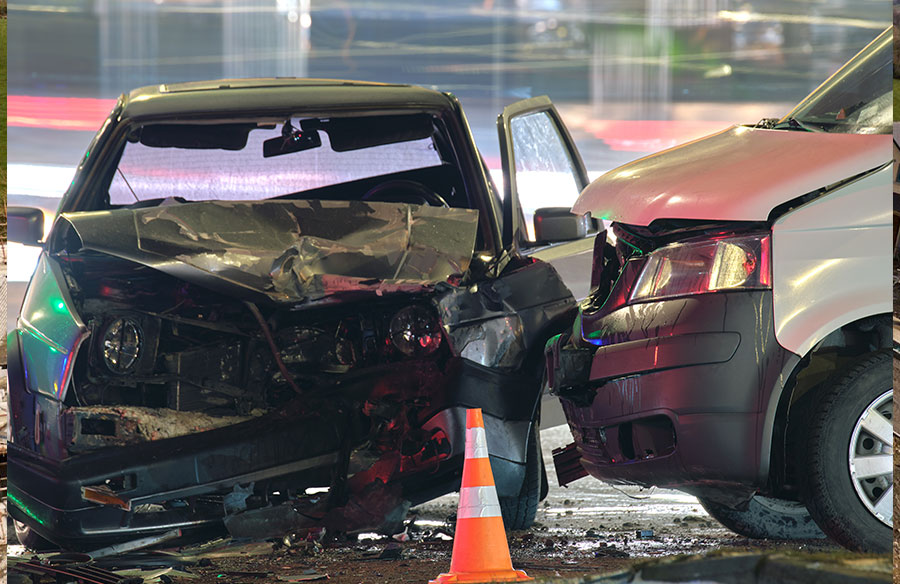
A car crash can be devastating, but the collision is often just the beginning. What comes next is a much longer, less visible process that can last for weeks or even months as you recover.
Most people do not walk away from car accidents without some impact. The effects go beyond just one hospital visit or fixing a damaged bumper. Even after minor crashes, you need to follow certain steps, file reports, watch for symptoms, and adjust your daily routine.
Whether it is a minor fender-bender or a serious accident, recovery usually happens in stages. It starts with what you do at the scene and then moves on to medical care, insurance claims, and changes to your daily life. Here is a step-by-step look at what many people experience after a car accident.
First Steps: Handling the Immediate Aftermath
Many people assume that what happens at the scene of a car accident is all there is to it. Exchange information, call the police, get checked by paramedics, and that’s it.
The reality is that these first actions are only the opening phase of a much longer process. They are important not just for immediate safety, but because they lay the groundwork for everything that follows.
These early steps also create crucial documentation — evidence that may later support medical treatment, insurance claims, or questions about fault.
Seeking Immediate Medical Help
One of the most important things to do after a crash is to see a doctor. Even if emergency responders check you at the scene, that is often just the first step. A full medical exam can show injuries you might not notice right away and helps track your recovery.
For many people, that first doctor visit is just the beginning. You may need follow-up visits, physical therapy, tests, or to see a specialist. This stage helps show how much the accident has affected your health and what care you will need.
This is also when medical bills start to add up. Recovery can take time and cost money, but keeping good records of your treatment is important if you decide to make a claim against the other driver. Medical records show what the accident caused.
Accident Reports
If police respond to the scene, an officer usually creates an official accident report. This report may include statements from drivers and witnesses, a description of the scene, and an initial idea of what happened.
Obtaining a copy, or at least making sure the report has been filed, is important. If police do not come, you may need to file a report yourself at the nearest station or through an official system, depending on local rules.
This report is often a key document for your insurance claim.
Vehicle Damage Assessments
In the days after the accident, your focus will turn to your car. Insurance companies usually want proof of the damage, which can mean inspections, repair estimates, photos, and sometimes an adjuster’s review.
Many drivers are surprised by how stressful this part can be. Trying to arrange repairs while also dealing with medical appointments and recovery can make things even harder. Still, this paperwork is needed to move your insurance claim forward and to decide if your car will be fixed or considered a total loss.
How Car Insurance Processes Work
The insurance claim process has several steps, requires documentation, and can take weeks or even longer.
Notifying Insurers and Opening a Claim
The process usually starts when you notify the insurance companies of the accident and your intent to file a claim. Most policies require you to report the accident quickly. An official claim is then opened, and you will get a claim number to track your case.
Insurers may ask for basic information about what happened. It is important to give accurate, factual details. Avoid guessing, minimizing injuries, or providing recorded statements without understanding the implications.
Submit Required Documentation
Once the claim is active, documentation becomes crucial. Prepare the following documents:
- Police or accident reports
- Photographs of the scene and vehicle damage
- Repair estimates or damage evaluation
- Medical records and hospital bills
- Proof of loss of income
Providing clear, factual information is important, but sharing opinions about fault or long-term medical outcomes before you know the facts can complicate matters.
Case Evaluation
The insurance company’s adjuster evaluates your case to determine who is at fault, assesses the extent of the damages, and makes an offer about what the insurer believes the claim is worth under the policy terms.
For property damage, payment may be made once repair estimates are approved or if your vehicle is declared a total loss. Injury claims usually take longer, especially if medical treatment is still ongoing.
Settlement offers are typically made after documentation is reviewed and policy terms are evaluated. When both parties agree, the claim arrives at a resolution. If not, negotiations may continue.
When Cases Grow Complicated
Car accident claims can get more complicated when parties disagree and don’t arrive at the same conclusion about how serious an injury is, whether it existed before the crash, or who was at fault. Even when a crash clearly worsens an existing condition, arguments over how much of the harm is directly connected to the accident can slow settlement talks.
Claims can also take longer to settle when injuries surface later, recovery is ongoing, or the accident has a significant impact on someone’s ability to work and manage daily life. Gaps in treatment, even with a good reason, may lead insurers to question whether the condition is really connected to the crash.
Why Some Cases Resolve More Smoothly Than Others
Cases prepared early, with thorough documentation, complete medical records, timely reports, and consistent communication with insurers are often resolved more quickly. When there are fewer gaps or disputes, resolution tends to come faster.
If the process becomes difficult to manage, especially when injuries are disputed, treatment is ongoing, or negotiations stall — some individuals choose to seek additional guidance. In more complex situations, firms like The Law Offices of Larry H. Parker assist individuals in navigating insurance disputes and legal procedures so the administrative aspects of a claim remain organized and focused.
In the end, understanding how the system works can help drivers move through the aftermath with greater clarity and fewer unexpected obstacles. When you know what to expect, from paperwork to insurance reviews, you can make better decisions during an already stressful time.