Walk through a workshop, and you can hear pressure problems before you see them. A tool stutters, a line chatters, and someone bumps the regulator again. Those little moments often trace back to early design choices.
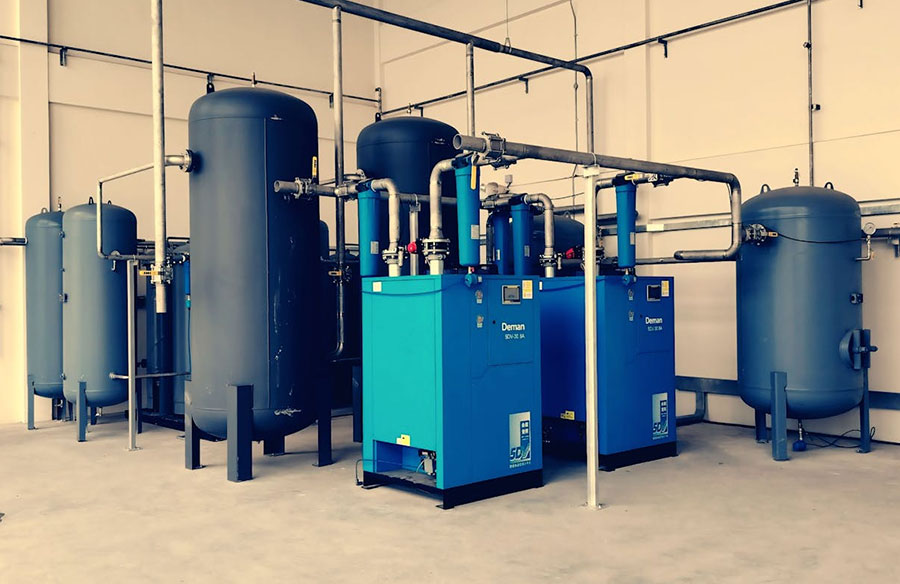
In many facilities, storage and distribution get treated like simple accessories. Yet an air compressor air tank that holds up under pressure can steady demand swings and calm the whole network. That steadier network also reduces nuisance leaks, surprise downtime, and frantic “why is it low” troubleshooting.
Know Your Air Demand
Good design starts at the point of use, then works backward to supply. Map each tool, process, and station, and note how often they run. Peak demand and average demand are rarely the same number.
CFM and pressure targets should match real tasks, not habits. Some equipment needs steady pressure, while others tolerate short dips. When targets drift upward “just in case,” energy use climbs fast.
It helps to separate critical loads from flexible loads early. A paint booth, packaging line, and CNC cell often deserve different priorities. This separation also clarifies where local storage makes sense.
List air consumers that are easy to overlook during space planning. Pneumatic doors, dust collection pulses, air knives, and blowoffs add up quickly. So do future stations that the client already expects to add later.
Once demand is clear, efficiency choices become easier to justify. The U.S. Department of Energy collects tools and guidance for improving system performance and savings. Their compressed air resources make a solid starting point for benchmarking and audits.
Plan The Pipe Layout Early
Compressed air has a physical footprint that affects ceilings, walls, and circulation. Lines need slope for drainage, access for repairs, and safe clearances. If those needs arrive late, layouts get cluttered and hard to maintain.
A clean route plan reduces pressure drop more than most people expect. Long runs, sharp elbows, and undersized pipe quietly waste energy every day. Material choices also affect friction losses, corrosion risk, and installation speed.
Mechanical planning can shape the building long before equipment is installed. Ceiling depth, riser zones, and plant room access can either support clean routing or fight it. That connection is often clearer when HVAC planning is considered early in design.
Distribution also benefits from zoning, even in small facilities. Shorter branches keep pressure stable and make shutoffs more useful. Isolation valves by zone cut downtime during changes or repairs.
Pipe selection should follow function, temperature, and site conditions. Many teams compare options like aluminum systems during early installation planning and maintenance thinking. An overview of aluminum compressed air piping highlights sizing, expansion planning, and future changes.
Add Storage In The Right Places
Air receivers are not just “extra volume,” they are control tools. They smooth short bursts from tools and reduce rapid cycling on the compressor. That cycling reduction can extend equipment life and cut maintenance churn.
Storage placement matters as much as storage size. A tank near a high burst load can prevent local pressure sag during starts. A main receiver near the compressor can help with moisture separation and control.
Vertical, horizontal, and portable tanks fit different constraints. Vertical tanks save floor area, while horizontal tanks can tuck under mezzanines. Portable tanks can support temporary work zones without risky hose sprawl.
Sizing should reflect demand patterns, not only total volume targets. Look at the biggest short term events, like blowoffs or actuator banks firing together. Then confirm the tank can support that event without dropping below minimum pressure.
Receivers also make controls behave more predictably under variable demand. Stable pressure signals reduce “hunting” in regulators and pressure switches. That stability makes commissioning easier and results more repeatable.
Keep Air Clean And Dry
Air quality needs are tied to end use and risk, not preference. Food, medical, and precision finishing work need tighter control than general tools. Even simple shops can suffer when water reaches valves and cylinders.
Moisture management starts with temperature and dew point planning. Aftercoolers, dryers, and drains should be chosen as a set, not as add ons. If drains fail, water ends up in lines, and corrosion accelerates quickly.
Filtration works best when staged for the right contaminants. A general filter near the plant room protects distribution, then point filters protect tools. This approach also limits pressure drop from over filtering the whole network.
Oil carryover and particulates are not always visible during day to day work. Trade groups like the Compressed Air Challenge publish guidance on system performance and common waste sources. Their sourcebook is a useful reference for losses, leaks, and quality planning.
Point of use design should consider ergonomics and safety together. Regulators, FRLs, and quick connects should be reachable without climbing or twisting. That placement reduces damage, improves compliance, and saves time during resets.
Set Up Controls And Easy Maintenance
Controls should match the building’s operating rhythm, not a lab condition. A single shift shop behaves differently from a facility that runs all weekend. Sequencing and setpoints should follow that schedule and the load profile.
Leak management is easier when the system supports simple testing. Add isolation valves and pressure gauges where overnight drop checks are practical. That access design turns leaks from mysteries into quick fixes.
Commissioning should include pressure checks at the farthest points. Record pressure during real production cycles, not only during idle testing. This confirms pipe sizing, storage placement, and regulator strategy.
Maintenance access is a design topic, even for compact mechanical rooms. Filters need clearance for bowl removal, dryers need service space, and drains need inspection. If access is tight, upkeep gets skipped, and failures become “unexpected.”
Final Checks Before You Sign Off
A compressed air system works best when it is treated like part of the building plan. Demand, routing, storage, and air quality should be set early and reviewed together. That reduces pressure drop, moisture issues, and surprise service headaches later. If the system feels stable at the farthest drop during real use, the design is doing its job.