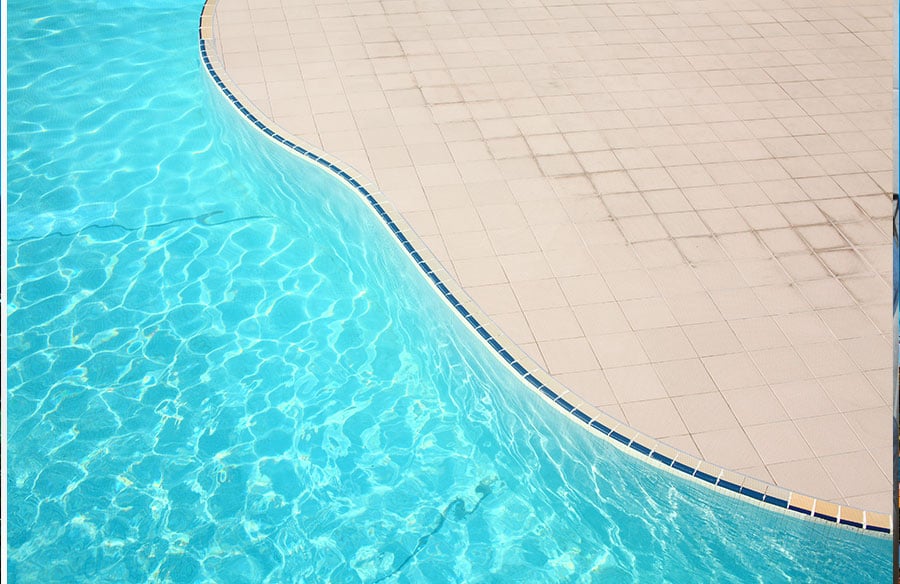
A pool should feel like a place to relax, not a system you’re constantly fighting to keep clean. While tools like a robotic pool cleaner can dramatically reduce hands-on work, the foundation of a low maintenance pool design is set long before the first swim. The right decisions upfront determine whether ownership feels calm and predictable or endlessly demanding.
What Type Of Pool Is Easiest To Maintain
A well-built gunite (concrete) pool with modern equipment is the easiest to maintain long term, not because it’s “low effort” day one, but because it ages predictably and can be upgraded instead of replaced. For homeowners focused on easy to maintain pools, long-term adaptability matters more than short-term convenience.
Gunite pools win long term because you can resurface instead of rebuild, equipment can be swapped out without redesigning the pool, and structural integrity holds up for decades. From a 10-20 year ownership perspective, concrete pools with durable finishes are among the most reliable low maintenance pool options when designed correctly.
Fiberglass pools are often marketed as the lowest maintenance, and early on they can be. But over time, surface repairs are harder, shapes are fixed, and upgrades can be restrictive. Vinyl liners are cheaper upfront, but liners eventually wrinkle, tear, or need replacement. Vinyl is predictable, but comes with scheduled liner replacement, a factor that impacts how “low maintenance” it really is.
Low maintenance over time isn’t about avoiding work, it’s about avoiding surprises. The real differentiator isn’t just the material. It’s whether the system was built with margin. Pools that operate at 100% capacity all the time age poorly, while pools built with breathing room age calmly. A pool with strong circulation, oversized filtration, and simple geometry will “forgive” small mistakes. A pool that’s engineered tightly demands perfect maintenance forever.
The easiest pool to maintain long term is the one that’s hardest to neglect, which is the core principle behind truly easy to maintain pools.
Are Salt Water Pools Easier To Maintain
Saltwater pools are more consistent, not maintenance-free, and that’s the real benefit for owners seeking a low maintenance pool experience.
Saltwater pools are easier to keep chemically consistent because chlorine is generated continuously rather than added in large doses. A salt chlorine generator produces chlorine steadily throughout the day, reducing swings in sanitizer levels and helping prevent common issues like algae growth caused by imbalance. This stability supports easy to maintain pools, especially for owners who want fewer chemical surprises.
That said, salt systems still require regular water testing, filter maintenance, cell cleaning, and occasional part replacement. Saltwater is easier for owners who want stability, not people who think maintenance disappears.
Low Maintenance Pool Design
The lowest-maintenance pools are designed to work with physics, not against it. A smart low maintenance pool design prioritizes circulation, debris control, and simplicity over decorative excess.
Low-maintenance pools are designed around efficient water movement. Proper circulation planning and placement of returns, drains, and deeper skimmers ensure debris is carried toward collection points instead of stagnating in corners or shallow areas. A pool that’s easy to clean wasn’t luck, it was intentional low maintenance pool design.
Minimal ledges, steps, and shelves reduce places where dirt and leaves accumulate. Adequate deck slope and drainage that direct runoff away from the pool prevent unnecessary contamination. When circulation and debris management are planned from the start, routine cleaning becomes faster and more predictable, the hallmark of a true low maintenance pool.
Low Maintenance Pool Surfaces That Last Longer
High-quality pebble finishes are the clear long-term winner among low maintenance pool surfaces.
Durable aggregate and pebble finishes generally require the least long-term attention. These low maintenance pool surfaces resist staining, tolerate minor chemical fluctuations, and wear more evenly over time than traditional plaster. While smooth plaster can look refined initially, it is more susceptible to etching, discoloration, and visible wear.
Compared to fiberglass, pebble finishes are easier to spot-repair and don’t rely on a single factory-applied shell, making them one of the most reliable low maintenance pool surfaces available.
The key isn’t just the material, it’s installation quality. A poorly installed “low-maintenance” surface will outperform nothing.
Size And Shape In A Low Maintenance Pool
Bigger isn’t always harder, awkward is harder, especially when evaluating easy to maintain pools.
Maintenance is influenced more by shape than by size. Pools with simple geometry allow water to circulate evenly, making debris easier to capture and reducing the need for manual brushing. Simple shapes don’t mean boring, they mean water moves where it should, which is essential for a low maintenance pool.
Complex curves, narrow coves, and decorative features can interrupt circulation and create dead zones where dirt collects. A well-proportioned pool with clean lines and strong circulation can be easier to maintain than a smaller, overly decorative design, a key trait of easy to maintain pools.
Systems That Support Easy To Maintain Pools
The biggest maintenance reducers aren’t flashy, they’re boringly effective, especially in low maintenance pool design.
High-capacity filtration and efficient circulation systems have the greatest impact on reducing upkeep. Oversized cartridge filters extend the time between cleanings while maintaining better water clarity. Variable-speed pumps allow longer, lower-stress circulation cycles that improve overall water quality. Automatic pool cleaners matched to the pool’s shape and automation systems that manage pump schedules and chemistry further support easy to maintain pools.
The mistake people make is buying equipment individually instead of as a balanced system. Automated controls help maintain consistent operation, but system balance matters more than individual features. Equipment designed to work efficiently together reduces wear, stabilizes chemistry, and minimizes ongoing maintenance, which is what defines a true low maintenance pool.
Landscaping For Low Maintenance Pool Design
Landscaping can either protect your pool, or quietly sabotage it every day. Smart low maintenance pool design extends beyond the waterline.
If your pool is always dirty, the problem is often outside the water, not in it. Landscaping directly affects how much debris and runoff enters the pool. Trees that shed leaves, pollen, or sap increase cleaning demands, while mulch beds and loose soil can wash into the water during rain.
Thoughtful landscaping reduces the amount of debris introduced daily. Hardscaping near the pool edge, controlled planting zones with non-shedding plants placed upwind, and proper drainage that moves dirt away from the deck help preserve easy to maintain pools over time.
Mistakes That Ruin Easy To Maintain Pools
The biggest long-term mistakes aren’t dramatic, they’re subtle and permanent.
A pool that’s hard to maintain usually wasn’t “built wrong”, it was built for photos, not ownership. Problems start when design decisions prioritize aesthetics over circulation, accessibility, and long-term wear. Decorative features and oversized shallow areas often collect debris, while undersized equipment struggles to keep water balanced, undermining any attempt at a low maintenance pool.
Design choices that add complexity without improving function tend to increase maintenance demands over time. Pools that remain easy to care for are designed with longevity, serviceability, and efficient operation in mind, the defining traits of easy to maintain pools done right.