Homeowners in Santa Cruz often view the circuit breaker panel as a static component of the home that requires little attention until the lights go out. However, the sudden snap of a breaker tripping is a clear communication from the electrical system that safety parameters have been exceeded. While an occasional trip caused by plugging in a vacuum cleaner and a space heater on the same circuit is a minor inconvenience, frequent and unexplained tripping points to deeper systemic issues. In the unique coastal environment of Santa Cruz, these issues are often compounded by salt air corrosion and the aging housing stock found throughout the region. Ignoring these repetitive warnings can lead to damaged appliances, unreliable power, and significant fire hazards within the walls of the home.
Understanding the Mechanics of Circuit Breaker Tripping
A circuit breaker is a safety device designed to be the weakest link in the electrical chain intentionally. Its primary job is to monitor the flow of electricity and cut the power if the current exceeds the safe capacity of the wiring. When a breaker trips repeatedly, it is doing its job to prevent the wires inside the wall from overheating and melting their insulation. The most common cause is a simple circuit overload. This occurs when the total amperage drawn by appliances on a single circuit surpasses the rating of the breaker, which is typically fifteen or twenty amps for general household circuits. In older homes, this is frequent because the original electrical design did not account for the high energy density of modern living, where high-definition televisions, gaming consoles, and kitchen gadgets run simultaneously.
Beyond simple overloads, tripping can also indicate more severe electrical faults such as short circuits or ground faults. A short circuit happens when a hot wire touches a neutral wire, creating a path of least resistance that allows a massive surge of electricity to flow instantly. This generates a magnetic reaction in the breaker that trips it immediately, often accompanied by a spark or a popping sound. A ground fault is similar but occurs when the hot wire touches a ground wire or the metal casing of an outlet box. Both scenarios present a serious risk of shock and fire. If a breaker trips instantly every time you try to reset it, forcing it back on is dangerous. This suggests a hard fault that requires professional diagnosis rather than a simple reset.
The Impact of Overloaded Circuits in Modern Coastal Homes
The lifestyle in Santa Cruz has evolved significantly over the last few decades, but the electrical infrastructure in many homes has remained stagnant. Residents are adding electric vehicle chargers, hot tubs, and ductless mini-split heat pumps to homes that were built with sixty or one hundred amp services. When the electrical demand consistently pushes the panel to its limit, the internal components heat up. This heat can cause breakers to become hypersensitive, tripping even when the load is technically within the safe range. This phenomenon is known as nuisance tripping, but it is actually a symptom of a panel that is struggling to dissipate the thermal energy generated by excessive demand.
Furthermore, relying on power strips and extension cords to power modern offices or entertainment centers exacerbates the problem. Daisy-chaining power strips does not create more power; it simply adds more demand to a single receptacle. This can lead to localized overheating at the outlet and the breaker. Upgrading the Electrical Panel Santa Cruz CA residents use to a standard two hundred amp service is often the necessary solution to provide the electrical “headroom” required for modern appliances. This ensures that heavy loads can operate without starving other circuits or causing voltage drops that damage sensitive electronics.
The Role of Environmental Corrosion in Electrical Systems
One of the distinct challenges of maintaining a home in Santa Cruz is the pervasive influence of the marine environment. The fog and ocean breeze carry salt-laden moisture that can infiltrate garages, basements, and outdoor enclosures where electrical panels are often located. Over time, this salt acts as a corrosive agent that attacks the copper and aluminum components inside the panel. Corrosion is a poor conductor of electricity, meaning that as connections oxidize, electrical resistance increases. According to Ohm’s law, increased resistance results in increased heat generation.
This hidden corrosion can cause breakers to overheat and trip even when the electrical load is normal. The connection between the breaker and the bus bar—the metal strip that distributes power—can become pitted and unreliable. In severe cases, the breaker may fuse to the bus bar or fail to trip entirely during an emergency because the internal mechanism has rusted shut. Regular inspections are vital in coastal areas to identify green or white oxidation on the wires and terminals. Addressing these environmental factors often involves installing a new Electrical Panel Santa Cruz CA system that utilizes corrosion-resistant materials and proper weatherproofing to withstand the damp, salty air.
How Salt Air Affects Breaker Contacts and Bus Bars
The specific mechanism of salt damage involves the degradation of the contact points where electricity is transferred. When the metal surfaces of the main bus bar corrode, they develop an insulating layer of oxide. This forces the electricity to arc across the microscopic gaps between the breaker and the bar. Arcing produces intense heat that can exceed several thousand degrees Fahrenheit, easily hot enough to melt plastic and ignite surrounding materials. This type of failure often manifests as a buzzing sound coming from the panel or a distinct smell of burning plastic.
Once arcing begins, the damage is usually irreversible. The heat anneals the metal, making it lose its temper and spring tension. A breaker that does not snap firmly into place or feels loose is a significant hazard. In Santa Cruz homes near the water, this deterioration happens faster than in inland areas. Homeowners must be vigilant about checking for these physical signs of decay. If a panel shows signs of extensive rust or water intrusion, replacing the entire unit is often safer and more cost-effective than attempting to clean and repair compromised components that have lost their structural integrity.
Warning Signs That Your Electrical Panel Is Obsolete
Aside from environmental factors and capacity issues, the age and brand of the electrical panel play a critical role in its reliability. Many homes built between the 1950s and 1980s were equipped with panels that are now considered obsolete or defective. Brands such as Federal Pacific Electric (Stab-Lok) and Zinsco are notorious within the electrical industry for having high failure rates. The breakers in these panels often fail to trip during an overload condition. Instead of cutting the power, they allow the wire to overheat until it melts or catches fire.
If your home is still equipped with a fuse box or one of these recalled panel brands, frequent breaker issues are a warning that the system is living on borrowed time. These panels were not designed to handle the safety requirements of the modern National Electrical Code, such as Arc Fault Circuit Interrupters (AFCIs) and Ground Fault Circuit Interrupters (GFCIs). These advanced breakers are essential for preventing fires caused by arcing and shocks in wet areas like kitchens and bathrooms. Relying on outdated technology leaves the home vulnerable to invisible faults that modern systems would catch immediately.
Dangers of Federal Pacific and Zinsco Panels
The specific danger with Federal Pacific and Zinsco panels lies in their mechanical design. In many instances, the breaker handle may flip to the “off” position, but the internal circuit remains closed and energized. This gives a false sense of security to a homeowner attempting to work on a circuit. Additionally, the bus bars in Zinsco panels are known to corrode and reduce the contact area with the breaker, leading to overheating and arcing that can burn out the panel from the inside.
Insurance companies are increasingly aware of these risks and may deny coverage or require replacement before writing a policy for a home containing these panels. If you are experiencing power fluctuations, flickering lights, or breakers that will not reset, the presence of an obsolete panel is the likely culprit. Replacing these units is not merely a renovation project; it is a critical safety upgrade that brings the electrical system into the twenty-first century and ensures that the safety mechanisms will actually function when needed most.
Beach Electrical: Your Santa Cruz Safety Experts
Dedicated to Coastal Electrical Solutions
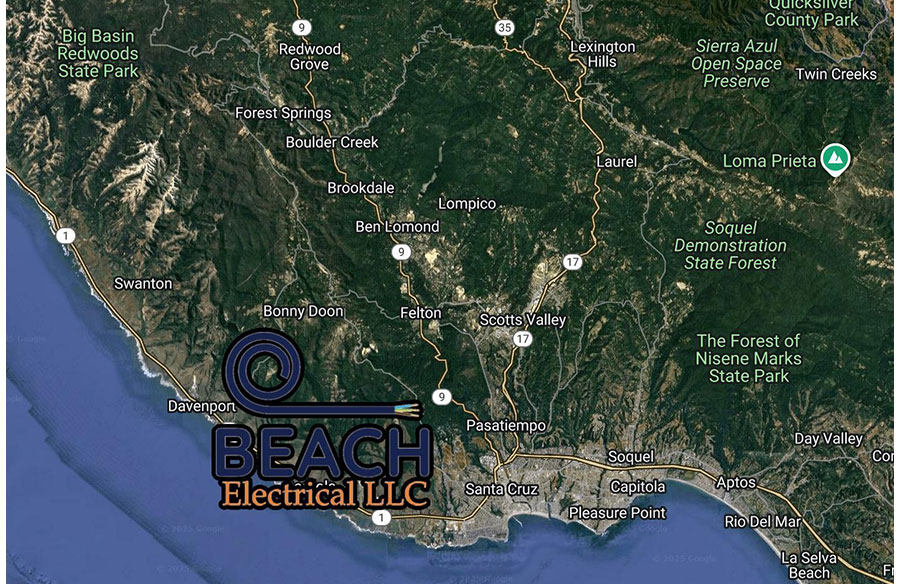
Beach Electrical is proud to serve the Santa Cruz community and the surrounding coastal areas with expert electrical services tailored to the unique needs of our region. We understand that salt air, moisture, and aging infrastructure pose specific challenges to residential power systems. Our team of licensed and experienced electricians is dedicated to diagnosing the root causes of electrical issues, rather than just treating the symptoms. We provide honest assessments and transparent solutions to ensure your home remains safe and efficient.
Comprehensive Panel Upgrades and Repairs
Whether you are dealing with frequent breaker trips, flickering lights, or need to replace an obsolete panel, Beach Electrical has the expertise to handle the job correctly. We specialize in heavy-ups, service upgrades, and the installation of modern safety equipment. We prioritize quality craftsmanship and code compliance in every project we undertake. When you need a partner to protect your home from electrical hazards and ensure reliable power for years to come, trust Beach Electrical to deliver professional service and peace of mind.
Jason Beach
Beach Electrical LLC
176 San Lorenzo Ave, Felton, CA 95018
(831) 246-4014
https://beachelectricalca.com/service-areas/santa-cruz-ca/
[email protected]