For food service operators and business owners in Utah Valley, a functioning walk in cooler or commercial freezer is the backbone of daily operations. From the busy restaurants near Brigham Young University to the grocery stores serving the wider Provo community, these systems work tirelessly to preserve inventory and ensure public safety. However, the mechanical components of refrigeration units are subject to immense stress, particularly given the local climate which fluctuates between intense summer heat and freezing winter lows. When these systems begin to falter, they rarely quit all at once; instead, they provide subtle warnings that trouble is on the horizon. Recognizing these early signs is critical for preventing catastrophic spoilage events and avoiding the high costs associated with emergency replacements.
Recognizing Temperature Inconsistencies and Spoilage
The primary purpose of any commercial refrigeration unit is to hold a consistent temperature that keeps food outside of the bacterial danger zone. When a system begins to struggle, one of the first indicators is a fluctuation in internal temperature readings. You might notice that the thermometer varies wildly throughout the day or that it struggles to recover after the door has been opened during a lunch rush. In some cases, the unit may feel warm to the touch, or you might find that certain areas of the cooler are freezing products while others are barely keeping them cool. These inconsistencies often point to issues with the thermostat calibration, airflow blockages, or a compressor that is losing its efficiency.
Spoilage is the most expensive symptom of a failing refrigeration system. If you find yourself discarding milk, produce, or meat before its expiration date, your equipment is likely failing to maintain a safe environment. Dairy products that sour quickly or leafy greens that wilt within a day of delivery are clear signals that the unit is not holding the necessary temperature range. This is often caused by short cycling, where the compressor turns on and off too rapidly to effectively cool the space. Ignoring these signs puts your customers at risk of foodborne illness and places your business in jeopardy of health code violations. Addressing temperature instability early often requires a professional assessment to determine if the issue lies with the control board or the refrigerant charge.
Ice Buildup on Evaporator Coils
A common misconception is that ice inside a freezer or cooler means it is working extra well, but in reality, ice accumulation is a sign of failure. If you see ice forming on the evaporator coils, the ceiling, or the back wall of the unit, it indicates that the system is not defrosting correctly or that airflow is restricted. When air cannot circulate freely over the coils, the humidity in the air condenses and freezes, forming a layer of ice that insulates the coil and prevents heat absorption. This creates a vicious cycle where the compressor must run continuously to compensate for the lack of cooling, eventually leading to overheating and burnout.
Moisture issues can also stem from compromised door gaskets. The rubber seals around the doors are the only barrier between the cold air inside and the warm ambient air of the kitchen. In a busy Provo commercial kitchen, these gaskets are subjected to heavy wear and tear. If they become torn or brittle, warm air infiltrates the unit continuously. This warm air carries moisture that freezes upon contact with cold surfaces. If you see ice forming near the door frame or water pooling on the floor, it is highly likely that the door seals need to be replaced. Seeking out a qualified Refrigeration Provo UT technician to inspect the defrost components and door integrity is the best way to resolve these icing issues before they damage the compressor.
Auditory and Visual Cues of Mechanical Failure
Commercial refrigeration systems are generally noisy appliances, but they produce a consistent and rhythmic hum when operating correctly. A sudden change in the sound profile of your equipment is a strong warning that internal components are under stress. Loud banging, clanking, or rattling noises often suggest that a fan blade is loose, a motor mount has broken, or there is internal damage to the compressor pistons. These sounds are not just annoyances; they are the machine communicating that a mechanical breakdown is imminent. A grinding noise typically points to worn out bearings in the condenser or evaporator fan motors. If these bearings seize, the motor will overheat and stop the cooling process entirely.
In addition to strange noises, visual signs of distress should never be ignored. Oil stains found on the refrigerant lines or on the floor underneath the compressor usually indicate a refrigerant leak. Refrigerant circulates with a small amount of oil to lubricate the compressor, so where there is oil, there is likely a leak. Puddles of water around the base of the unit can signal a clogged condensate drain line or a frozen evaporator that is thawing uncontrollably. If the drain line is blocked by algae or debris, the water produced during the defrost cycle has nowhere to go and spills over the drain pan. This creates a safety hazard for staff and can lead to structural damage to the floor.
The Compressor and Electrical Components
The compressor is the heart of the refrigeration system, and its failure usually means a total loss of cooling. One of the most concerning sounds a business owner can hear is a loud clicking or buzzing coming from the condensing unit. This often indicates that the compressor is trying to start but cannot because of a failing capacitor or a locked rotor. The clicking sound is the thermal overload switch tripping to prevent the motor from burning up. If this cycle repeats continuously, the compressor is under immense strain.
Electrical issues can also manifest as intermittent power failures or a unit that trips the circuit breaker repeatedly. As wires age and vibrate, connections can loosen, creating resistance and heat. This can cause the control board to fail or the compressor to shut down unexpectedly. Diagnosing these complex electrical faults requires specialized tools and expertise. A professional specializing in Refrigeration Provo UT systems can trace the voltage drops and test the amperage draw to identify the failing component. Catching a bad capacitor or a loose wire early is a simple repair that saves thousands of dollars compared to replacing a seized compressor.
The Cost of Ignoring High Energy Bills
A sudden spike in your monthly utility bill is often the first tangible evidence that your refrigeration equipment is losing efficiency. As components wear out or become dirty, the system must consume more electricity to achieve the same cooling results. The most common culprit is a dirty condenser coil. In the dry Utah climate, dust and grease can quickly coat the coil, acting as an insulating blanket that prevents heat from escaping. This forces the compressor to run at higher pressures and draw significantly more power.
If your electricity costs have risen significantly without a corresponding increase in business volume or utility rates, your refrigeration equipment is likely the cause. An inefficient system will run for longer cycles or may never shut off at all. This continuous operation not only wastes energy but also accelerates the wear on every moving part in the system. Regular maintenance that includes cleaning coils and checking refrigerant levels is essential for keeping energy consumption in check.
Continuous Operation and Short Cycling
Pay attention to how often your refrigeration unit turns on and off. A system that runs 24 hours a day is not normal; it indicates that the unit cannot reach the set temperature. This could be due to a loss of refrigerant, a dirty coil, or failing door seals. Conversely, a unit that turns on and off every few minutes is “short cycling.” This places immense stress on the compressor start components and prevents the system from removing humidity effectively. Both scenarios are detrimental to the equipment and your bottom line.
Vortex Air HVAC: Your Provo Commercial Refrigeration Partner
Dedicated to Business Continuity
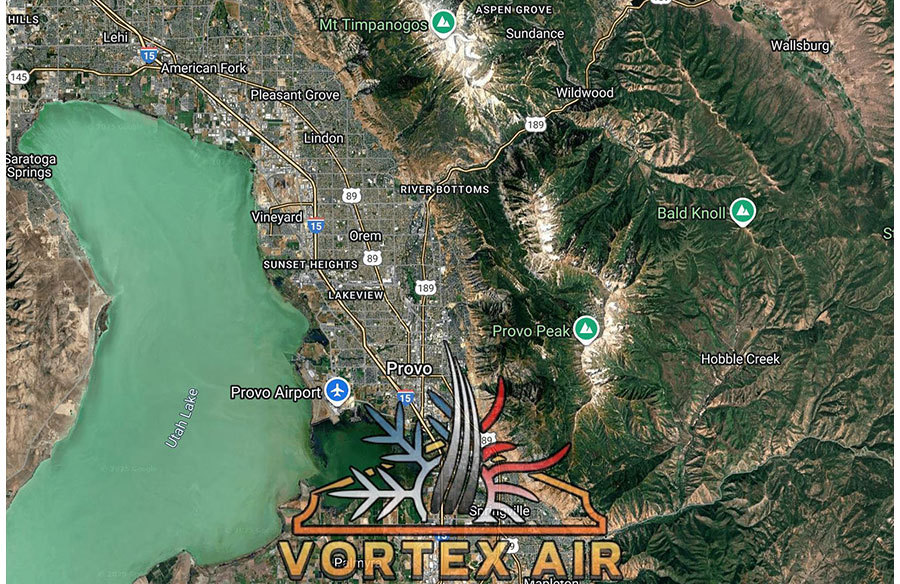
Vortex Air HVAC understands that for businesses in Provo, a broken refrigerator is an emergency that cannot wait. We are proud to serve the local commercial sector with reliable, high quality repair and maintenance services. Our team of experienced technicians is equipped to handle the unique challenges of the Utah Valley climate, ensuring that your equipment operates efficiently regardless of the season. We prioritize rapid response times to protect your inventory and keep your kitchen running smoothly.
Expert Diagnostics and Solutions
We specialize in identifying the root causes of refrigeration failures, from elusive refrigerant leaks to complex electrical issues. Our comprehensive diagnostic approach ensures that we fix the problem correctly the first time, preventing recurring breakdowns. Whether you need an emergency repair on a walk in freezer or routine maintenance for your reach in coolers, Vortex Air HVAC has the expertise to deliver results. Contact us today to ensure your refrigeration systems remain reliable and compliant.
Devin Larose
Vortex Air HVAC
776 W 165 S, Orem, UT 84058
(801) 400-2422
https://vortexairhvac.com/
[email protected]