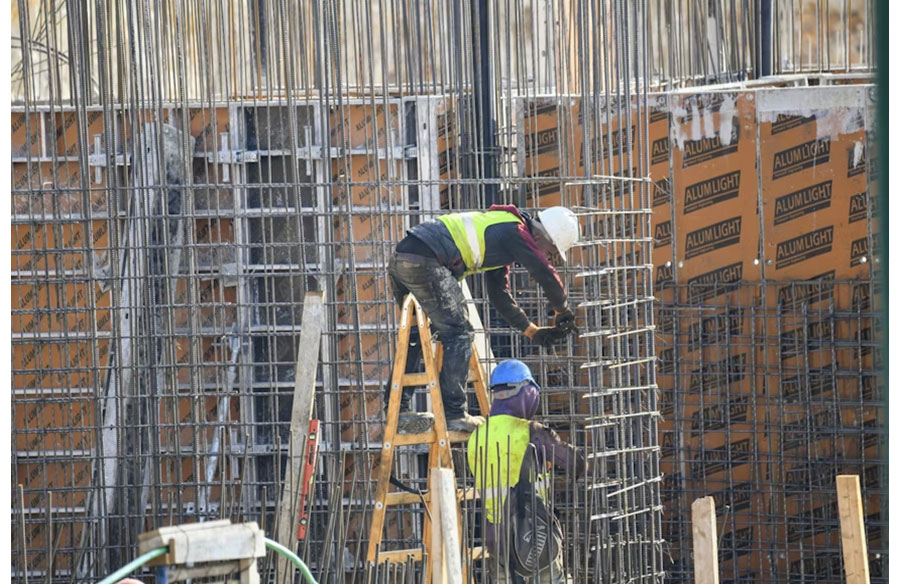
You might assume the construction skills gap is exaggerated, but the numbers say otherwise. In 2025, hundreds of thousands of additional skilled workers were needed nationwide, and the shortfall has only continued into 2026.
If you’ve ever wondered why projects feel slower, pricier, or more complicated than they used to, the skills gap is usually the hidden force behind it. This article breaks down why the gap exists and how the industry is working to close it.
Why the Skills Gap Exists
The construction skills gap today stems from overlapping changes in both the workforce and the work itself. Many experienced tradespeople are retiring, and the number of new workers entering the field hasn’t caught up. At the same time, modern construction requires deeper technical knowledge than ever, especially in electrical systems and building automation.
This combination creates pressure on teams and raises the stakes for every project. Even companies with strong pipelines feel the strain because the demand for skilled labor keeps growing.
Key Drivers of the Current Gap
Several forces feed the shortfall and shape the daily realities of project delivery. These issues influence planning, staffing, and production across nearly every trade.
- Retirements are accelerating faster than apprenticeship enrollment
- Increased demand for electrification and system controls
- More complex building requirements across all trades
The Growing Technology Mismatch
A major factor behind the widening skills gap is how quickly technology has changed compared to traditional training timelines. Many workers trained a decade ago didn’t encounter today’s digital tools, integrated systems, or automated equipment during their education. As a result, even seasoned crews may need retraining to stay current.
Younger workers, meanwhile, often enter the field with limited exposure to applied technical skills or real jobsite scenarios. This mismatch creates a constant scramble for talent who can bridge both hands on tasks and advanced system knowledge. Companies increasingly report that the gap isn’t just about labor shortages but about finding workers with the right blend of mechanical and digital skills.
How the Skills Gap Affects Projects
The effects of the construction skills gap today show up in nearly every phase of project work. Schedules stretch, budgets rise, and quality control becomes harder to maintain.
Many teams are using workforce development paths, such as technical programs offering real equipment and real practice, to counter the gap. That’s where hands-on environments like the hands-on training at Arizona Automotive Institute can support learners and hiring managers looking for accredited, career-focused training.
The gap also disrupts coordination between trades. When a specialty crew is short-staffed, other teams often have to wait, which sets off a chain reaction of delays.
Real Impacts on Project Delivery
Project teams feel the strain in multiple areas, each with measurable consequences. The challenges compound as systems get more sophisticated and labor pools stay tight.
- Extended timelines and scheduling conflicts
- Higher labor costs from overtime and competition
- Increased rework due to inexperience
Strategies That Help Close the Gap
Companies are testing new approaches that ease pressure on field teams and reduce the labor needed on-site. Smart design choices, improved coordination, and earlier involvement from trade partners are helping crews handle complex systems with fewer roadblocks.
A major focus is on refining how construction documents are created. Cleaner modeling, better detailing, and early planning reduce the number of surprises encountered during installation.
Design for Constructability
Design for constructability means simplifying systems during planning instead of troubleshooting them later in the field. Strong coordination between architects, engineers, and trade partners results in predictable layouts that require fewer specialized workers to install.
Prefabrication Friendly Detailing
Prefabrication is becoming a central strategy in easing workforce pressure. When components are built in controlled environments, fewer on‑site hours are needed, and installation becomes more consistent and reliable across projects.
How the Skills Gap Shapes the Future of Building
The rise of electrification and integrated building systems is expanding the technical demands placed on construction teams. Sensors, advanced wiring, diagnostics, and system controls require specialized training that isn’t always easy to find. Without a solid workforce pipeline, project risks and costs will continue to increase.
Companies that invest in training partnerships, smarter design practices, and early coordination will be best positioned to meet the demands of modern building systems. The workforce challenge won’t disappear quickly, but intentional planning can make it far more manageable.
Preparing for the Next Phase of Workforce Needs
If you’re assessing how the construction skills gap today affects your own projects, this is the moment to plan ahead with confidence. Strengthening training resources, rethinking design approaches, and supporting new trade talent will shape how effectively teams can deliver future buildings across diverse communities.
Consider sharing insights with colleagues or exploring programs dedicated to building a stronger workforce for the years ahead, especially as industry demands continue rising.