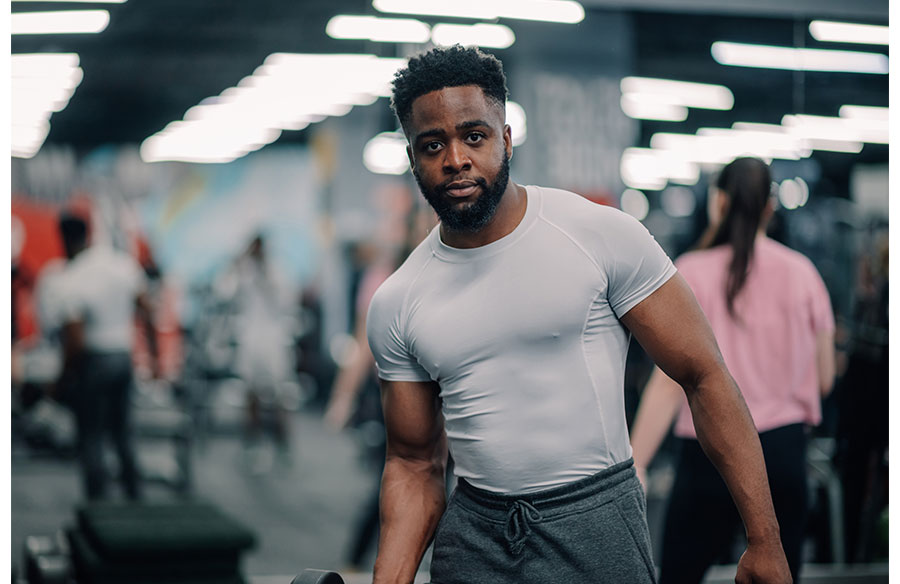
Fitness branding is undergoing a quiet but meaningful transformation. Where gyms and training spaces were once defined by logos, slogans, and rigid visual identities, the future is shifting towards something more human-centred: connection, belonging, and shared experience.
As fitness culture evolves, branding is no longer just about attracting attention — it’s about sustaining communities. One of the most interesting places this shift is playing out is in the growing role of personalised gym wear as a tool for identity, inclusion, and collective motivation.
From transactional gyms to community spaces
Historically, many gyms operated as transactional environments: members paid a fee, used the equipment, and left. Branding focused on differentiation and aspiration, often borrowing heavily from commercial aesthetics.
Today, fitness spaces are increasingly community-driven. Independent gyms, studios, and training groups position themselves as places of belonging rather than service providers. The emphasis has moved from selling fitness to supporting lifestyles.
This shift requires a different approach to branding — one that prioritises participation over promotion.
Branding as a shared experience
Design thinking encourages us to look at branding not as a static visual system, but as an experience shaped by interaction. In fitness environments, this experience is created collectively — through shared effort, routine, and progression.
Personalised gym wear functions as a physical touchpoint within that experience. It’s worn during training, events, and everyday life, becoming part of how individuals relate to the group and to each other.
Rather than communicating identity outward, it reinforces identity inward — strengthening the sense of “we” that holds communities together.
Visual cohesion without uniformity
One of the challenges in modern branding is balancing cohesion with individuality. Fitness communities often bring together people of different ages, backgrounds, and abilities, all with their own styles and motivations.
Personalised gym wear offers a flexible solution. It creates visual unity without enforcing strict uniformity. Members can share a common design element while still expressing individuality through how they wear and style it.
From a design perspective, this reflects a move away from rigid brand control towards adaptable systems — frameworks that evolve with the people who inhabit them.
Identity beyond aesthetics
In fitness culture, identity is often shaped through shared struggle and progress rather than appearance. Branding that resonates in this space needs to reflect those deeper connections.
Gym wear that marks participation — rather than performance — helps reinforce inclusive identities. It signals commitment, presence, and belonging, rather than status or achievement.
This aligns with a broader cultural move away from perfection-driven narratives towards authenticity and sustainability in fitness.
Community-building through repetition and ritual
Design is most effective when it becomes part of everyday ritual. In fitness communities, repetition is central: recurring classes, weekly sessions, shared challenges.
Wearing the same gym wear during these moments reinforces ritual through consistency. Over time, clothing becomes associated with routine, effort, and shared milestones.
From a branding perspective, this creates emotional resonance — a key factor in long-term engagement. Identity is no longer imposed; it’s built through lived experience.
The role of sustainability in future fitness branding
Sustainability is an increasingly important consideration in both design and fitness culture. Communities are becoming more aware of overconsumption, fast fashion, and waste — and are seeking alternatives that align with their values.
Personalised gym wear supports a shift towards fewer, more meaningful items. When clothing is tied to identity and community, it’s more likely to be worn regularly and kept long-term.
This move towards intentional ownership reflects broader design trends focused on longevity, circularity, and emotional durability.
Designing for inclusion and accessibility
Future-focused design places accessibility at its core. In fitness, this means creating environments — and identities — that welcome people at all stages of their journey.
Adaptable gym wear supports this by prioritising comfort, movement, and flexibility over aesthetics alone. It removes barriers related to body image or perceived ability, helping participants focus on participation rather than appearance.
When branding supports inclusion, communities tend to grow more organically and sustainably.
From brand recognition to brand participation
Traditional branding often prioritised recognition: being seen, remembered, and differentiated. The future of fitness branding places greater value on participation.
Personalised gym wear doesn’t just represent a brand — it represents involvement. It signals that someone is part of a shared process, contributing to a collective culture.
This shift mirrors changes in other areas of design, where users are no longer passive audiences but active contributors to meaning.
Fitness branding as a living system
Rather than fixed identities, future fitness brands function as living systems — shaped by the people who engage with them. Visual elements evolve, meanings deepen, and culture becomes the defining asset.
Gym wear plays a subtle but powerful role in this system. It moves with the body, absorbs memory, and carries stories of effort and connection.
From a design standpoint, this makes it one of the most human expressions of brand identity.
Designing connection for the future
As fitness continues to intersect with wellbeing, lifestyle, and community, branding will need to reflect more than performance metrics or visual impact.
The most resilient fitness communities will be those that design for connection — creating identities that people feel part of, not marketed to.
In that future, branding isn’t about standing apart. It’s about standing together — and the clothes worn during that process become symbols of shared intent rather than commercial messaging.