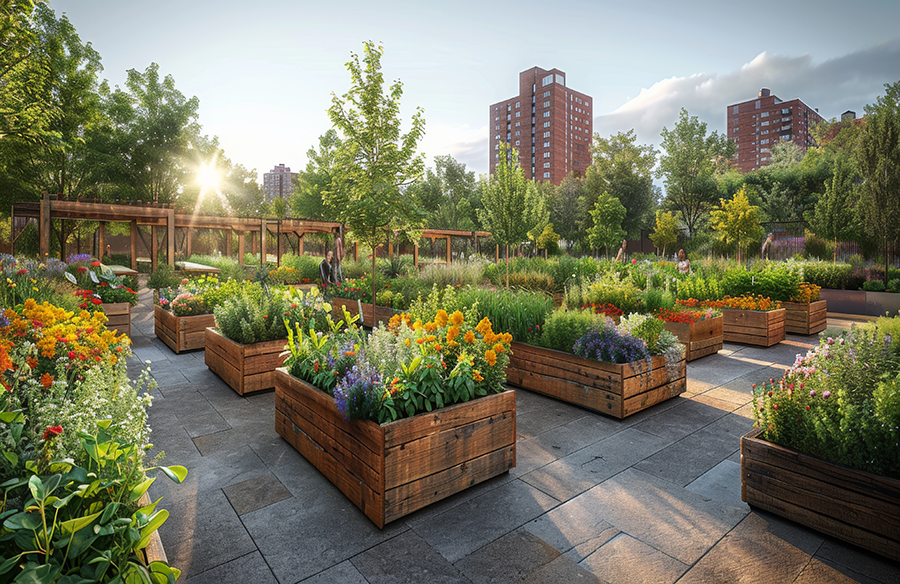
As cities continue to expand and evolve, the need for thoughtful, functional, and sustainable outdoor spaces has never been more important. In both corporate and public settings, outdoor areas are increasingly seen as vital components of the overall user experience, providing not only aesthetic value but also environmental, social, and economic benefits. Modern outdoor design is moving away from traditional static landscapes and toward creating flexible, adaptable, and sustainable spaces that promote engagement, well-being, and environmental stewardship.
The future of outdoor design is rooted in integrating nature with architecture, blurring the lines between built environments and natural elements. From green roofs and living walls to the integration of smart technology, modern outdoor spaces are becoming more multifunctional and people-centered. Let’s dive into the key trends and innovations that are shaping the future of corporate and public outdoor spaces.
The Importance of Modern Outdoor Design
Outdoor spaces have always played an essential role in urban environments. In corporate settings, they offer employees a chance to relax, collaborate, and rejuvenate. Public spaces, such as parks, plazas, and courtyards, serve as gathering places where communities come together, fostering social interaction and engagement. However, many of these spaces are still underutilized, outdated, or poorly designed, failing to take advantage of the potential benefits that thoughtfully designed outdoor areas can offer.
Modern outdoor design emphasizes the need to create spaces that are not only visually appealing but also functional, sustainable, and engaging. With the rise of urbanization and the increased focus on sustainability, businesses and municipalities are increasingly investing in outdoor spaces that encourage interaction, enhance well-being, and contribute to environmental goals.
The Role of Sustainability in Modern Outdoor Design
Sustainability is at the heart of modern outdoor design, especially as environmental concerns become more pressing. Businesses and cities are recognizing the importance of creating spaces that reduce environmental impact, improve air quality, and support biodiversity. Key features of sustainable outdoor design include the use of natural materials, green infrastructure, and energy-efficient technologies.
1. Green Infrastructure and Sustainable Materials
The use of sustainable materials is one of the most prominent aspects of modern outdoor design. From recycled plastics and permeable paving to natural stone, sustainable materials are transforming the way we approach outdoor spaces. Green infrastructure, such as green roofs and living walls, is also gaining popularity in both corporate and public settings. These features not only enhance the aesthetic appeal of outdoor areas but also provide significant environmental benefits, such as improving air quality, reducing stormwater runoff, and promoting biodiversity.
Green roofs, in particular, are a game-changer in urban environments where space is limited. They provide insulation, reduce heating and cooling costs, and create habitats for wildlife. Similarly, living walls and vertical gardens filled with plants offer an innovative way to bring nature into urban spaces while also helping to purify the air and provide a visually striking focal point in public or corporate environments.
2. Incorporating Greenery into Corporate and Public Spaces
Plants and greenery are crucial to modern outdoor design. In addition to their aesthetic value, greenery has a positive impact on human health and well-being. Research shows that exposure to nature reduces stress, enhances mood, and improves cognitive function. In corporate settings, incorporating green features such as green walls or outdoor seating areas surrounded by plants can boost employee productivity and reduce burnout.
For public spaces, greenery provides a natural retreat from the urban environment, offering individuals a chance to relax and recharge. Parks, gardens, and public plazas filled with plants not only improve the environment but also foster social interaction and community engagement.
Flexible, Multifunctional Spaces: The Future of Corporate Outdoor Areas
As corporate environments continue to evolve, there is a growing demand for flexible, adaptable outdoor spaces that meet a variety of needs. Modern outdoor spaces are no longer just places to sit and eat; they are designed to serve multiple purposes, from meetings and relaxation to social events and team-building activities.
1. Adaptive, Modular Designs for Diverse Needs
One of the main goals of modern outdoor design is to create spaces that can adapt to different activities and seasonal changes. Modular furniture, movable planters, and flexible layouts allow businesses to transform outdoor areas for various functions, from outdoor meetings and corporate events to informal social gatherings and recreational activities. The ability to easily reconfigure these spaces ensures that they remain functional and engaging year-round.
2. Outdoor Workspaces and Employee Wellness
The demand for outdoor workspaces is increasing as more businesses recognize the benefits of outdoor environments for employee wellness and productivity. Providing employees with access to outdoor spaces where they can collaborate, take breaks, or focus in a natural setting promotes well-being and reduces stress. Incorporating features such as comfortable seating, shading, and greenery encourages employees to spend more time outdoors, improving their overall health and job satisfaction.
Redesigning Public Outdoor Spaces for the Future
Public outdoor spaces are essential to creating vibrant, livable cities. From parks and plazas to streetscapes and courtyards, these spaces are where communities come together. The future of public outdoor design lies in creating accessible, inclusive, and sustainable spaces that cater to diverse needs and promote social interaction.
1. Designing for Accessibility and Inclusivity
As urban populations grow, it is essential to create public spaces that are accessible to all. This means designing spaces that accommodate people with disabilities, the elderly, and families with young children. Universal design principles such as accessible pathways, ramps, and seating ensure that everyone can enjoy public outdoor spaces.
Inclusivity also involves creating spaces that encourage social interaction among diverse groups. Public spaces should be welcoming to people of all ages, backgrounds, and abilities, offering opportunities for people to connect, relax, and engage with their community.
2. Encouraging Social Interaction and Community Engagement
Well-designed public spaces encourage people to come together, interact, and build connections. Outdoor seating, event spaces, and open areas for recreation foster a sense of community and belonging. Features such as interactive art installations, performance spaces, and public gardens help attract visitors and encourage social activities.
Public outdoor spaces can also be designed to host cultural events, markets, and festivals, making them more dynamic and engaging. These spaces should reflect the community’s culture and values, providing a place for people to gather, socialize, and participate in events that strengthen social ties.
The Role of Planters in Modern Outdoor Design
One of the most versatile features in modern outdoor design is the planter. Planters are essential for bringing greenery into both corporate and public outdoor spaces, creating a connection between the built environment and nature. With custom planters, businesses and municipalities can tailor their outdoor spaces to fit their specific needs, using planters that complement the architectural style, size, and layout of the area.
Materials such as metal, fiberglass, stainless steel, resin, and concrete are commonly used in outdoor planters, each offering unique benefits. For example, custom planters are designed to fit any space perfectly, whether it’s a compact balcony, a residential garden, or a large-scale commercial installation, giving you complete control over size, shape, material, and finish to match your vision and aesthetic. These bespoke planters can define environments, create natural separations, or enhance architectural features while delivering exceptional durability and weather resistance in both residential and commercial spaces.
Smart Technology in Outdoor Design: The Future of Public and Corporate Spaces
As technology continues to evolve, smart solutions are becoming an integral part of modern outdoor design. Incorporating smart features such as Wi-Fi hotspots, solar-powered lighting, and interactive displays into outdoor spaces can enhance the user experience and improve functionality.
1. Technology-Integrated Public Spaces
Smart technology can make public outdoor spaces more dynamic and responsive. For example, smart benches equipped with charging stations, interactive kiosks, and real-time space usage tracking can provide valuable data to optimize space management and improve the visitor experience. In addition, smart lighting systems that adjust based on time of day or weather conditions can make outdoor spaces safer and more energy-efficient.
2. The Role of Interactive Outdoor Features
Interactive features such as digital signage, touchscreens, and augmented reality (AR) are increasingly being integrated into public and corporate outdoor spaces. These features provide engaging experiences for users, allowing them to interact with the environment in new and innovative ways. Interactive outdoor displays can provide information, entertainment, and even virtual experiences that enhance the appeal of public spaces.
Conclusion: Shaping the Future of Outdoor Spaces in the Urban Landscape
The future of outdoor design in both corporate and public spaces is exciting, driven by the growing need for sustainable, flexible, and engaging environments. As businesses and municipalities recognize the value of well-designed outdoor spaces, they are embracing the principles of green, smart, and adaptable design to create environments that foster collaboration, social interaction, and environmental responsibility.
By incorporating custom planters, green infrastructure, and sustainable materials, modern outdoor spaces are becoming more than just places to pass through; they are vibrant destinations that enhance the overall urban experience. As the demand for green, smart, and multifunctional outdoor spaces continues to rise, the future of urban design looks bright, sustainable, and interconnected with nature.