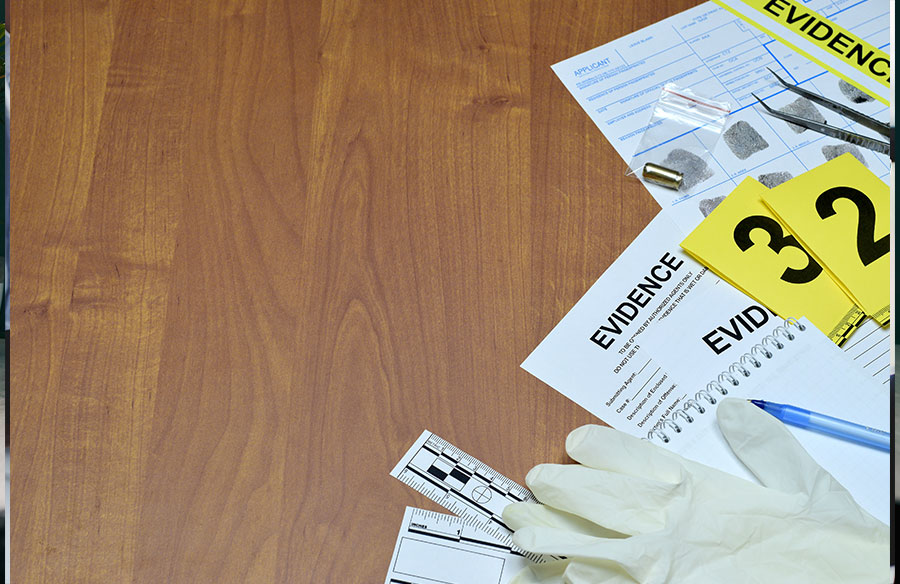
Personal injury claims hinge on strong evidence, not tearful testimony. Insurance adjusters and defense lawyers examine every detail, looking for vulnerabilities. Leaving out one document or photo can ruin your case.
Remember when it occurred and what you were looking at, listening to, and experiencing. Those first details get away from you fast. Without them locked down, your testimony stalls fast.
Medical Records and Treatment History
“Every test, diagnosis, and prescription creates a timeline. That timeline connects your injury to the accident and determines the extent of your condition,” says Jonathan Harris, an attorney with Schechter, Shaffer & Harris, LLP—Accident & Injury Attorneys.
Judges and insurance companies in Texas depend greatly on that medical trail. If you neglect to receive treatment or postpone it, it may cause concern. Failing to show up for follow-up appointments could come back to haunt you one day.
Keep all discharge summaries, billing statements, and imaging reports. Urgent care visits, physical therapy reports, and specialist referrals offer an additional layer of evidence.
Photographs and Videos of the Scene
Visual evidence documents the facts of the accident in a way that testimonial evidence cannot. Experts can reconstruct what happened and corroborate your testimony using skid marks, automobile damage, and debris patterns.
Smartphones quickly and easily capture information following an incident. Take overall views of the site, close-ups of damage, visible injuries, and landmarks or traffic signs for context.
Traffic cameras or security footage taken nearby can further strengthen your case. Act promptly, as corporations or public systems typically only store videos for a few weeks before deleting them.
Witness Statements and Contact Information
Witnesses offer a fresh, unbiased viewpoint on your claim. Third parties typically hold greater significance, as they have no stake in the outcome.
You should take down the names, phone numbers, and email addresses of anyone who was there for or shortly after the event occurred. A quick summary of their perspective also helps keep the facts aligned because memories can change or vanish with time.
Witness statements must be consistent with your description and the formal reports. Even small facts about a witness, like where a person was headed or how quickly a car was traveling, can make a difference.
Official Accident or Police Reports
Arriving officers record an official report that may include diagrams, weather, citations, and statements from the involved parties. That objective report forms a foundation for other evidence.
Insurance adjusters and courts also closely examine the words written in those reports. Any mention of fault, infractions, or conflicting accounts can be very powerful in court or settlement negotiations.
You should also request a copy as soon as possible, since delaying may make it harder to get information while memories are fresh. Your complaint becomes more valid when you reference the report against medical records, photographs, and witness statements.
Documentation of Lost Income and Work Limitations
Financial loss is as hurtful as bodily injury. Pay stubs, tax returns, and employer forms substantiate the income forfeited for recuperation.
Doctors’ medical limitations are also worth keeping. Limitations to lifting, driving, or working long shifts show how the damage restricts your ability to carry out your work.
Employers may document lost time, altered duties, or altered shifts. Combining medical restrictions with payroll data gives a clear definition of how the injury has changed your ability to earn money presently and in the future.
Finishing Up
Strong claims depend on careful records, not happenstance. Each type of evidence, like medical records, treatment history, photos and videos from the scene, witness statements and their contact details, accident or police reports, and proof of lost income or work limitations, helps build a strong case that can stand up to doubts and weak arguments.
Personal injury lawyers can guide you on the most effective way to keep, organize, and present evidence. You may want to consult one before time degrades your evidence or memory.