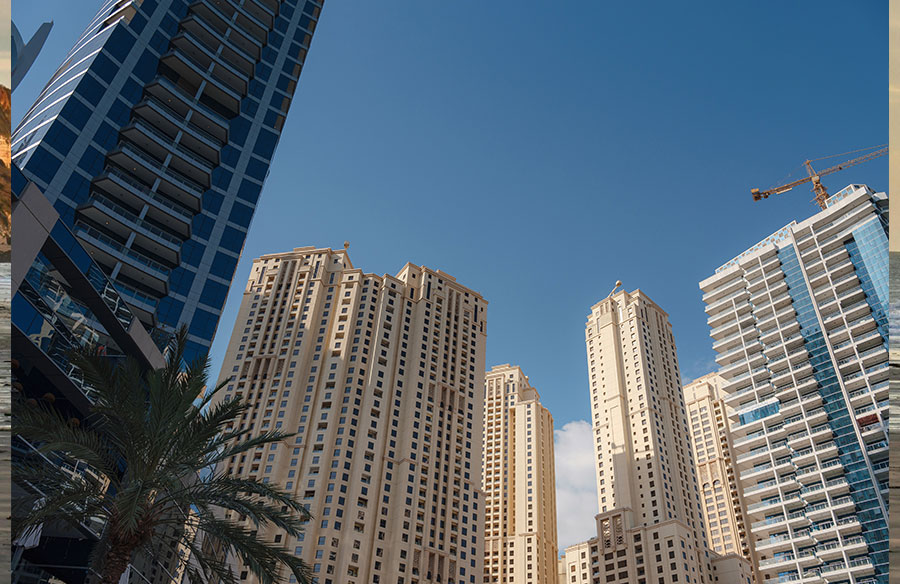
Dubai has no shortage of ambitious architecture. But “better buildings” are rarely defined by renderings alone—they’re defined by how the building performs after people move in. Comfort stays consistent. Systems run as intended. Maintenance doesn’t become a cycle of repeat fixes. Public areas stay clean without damaging finishes. Changes are controlled so the original design doesn’t slowly dissolve.
This is where property management becomes a practical part of building quality. The right team turns design intent into routines—maintenance schedules, inspection standards, vendor controls, documentation, and reporting. Some owners use in-house operations; others work with specialists such as First Class when they want structured support and clear accountability across day-to-day operations.
Below are the operational moves that most directly improve building outcomes in Dubai.
Better buildings are operated, not just completed
A building can be “finished” and still underperform. Most underperformance comes from predictable gaps:
- handover information that’s incomplete or hard to use
- commissioning setpoints that drift without anyone noticing
- reactive maintenance that treats symptoms instead of causes
- vendors working without finish-protection standards
- weak reporting that hides patterns until they become expensive
Property management is the layer that closes these gaps—if it’s set up with clear standards from the start.
Start at handover: capture what the building needs to run
The handover pack is where a lot of long-term quality is won or lost. A strong manager will insist on a usable operational baseline, not just a document dump:
- an asset register (what’s installed, where it is, service intervals)
- warranties and what voids them
- commissioning summaries and “normal” operating ranges
- supplier contacts for specialist systems and finishes
- a clear log for defects and close-outs during the defects period
Dubai Municipality’s sustainability guidance explicitly frames green-building principles across design, construction, operation, maintenance, change of use, and deconstruction—so the “operations” piece isn’t optional if performance is the goal. (dm.gov.ae)
Dubai climate realities: treat HVAC and moisture as design protection
Dubai’s environment makes building performance sensitive to routine, especially in:
- HVAC servicing and filter discipline
- drainage line checks (a common source of moisture problems)
- humidity control in intermittently occupied spaces
- dust load management (which affects air quality and equipment strain)
Better operations here aren’t flashy. They’re repeatable:
- seasonal servicing schedules you can point to
- inspections focused on early signals (condensation marks, odours, staining)
- fast triage for leaks and drainage issues
- vendor scopes that protect finishes during maintenance work
When that rhythm is consistent, you see fewer breakdowns, fewer visible “patch repairs,” and a building that feels stable across seasons.
Regulation meets operations: sustainability and safety don’t stop at handover
Dubai already embeds performance expectations into its frameworks—property management is where those expectations become day-to-day execution.
Sustainability: Dubai Municipality notes that Al Sa’fat replaces the earlier Dubai Green Building Regulations and Specifications, and includes mandatory requirements for new buildings to achieve at least the Silver Sa’fa (with optional higher levels). (dm.gov.ae) The earlier Green Building Regulations set out a purpose centred on improving building performance by reducing energy, water, and material consumption. (dm.gov.ae) In practice, that means managers need to maintain what was designed (and approved): schedules, controls, and operational discipline—not just “fix things when they break.”
Codes and consistency: Dubai’s Building Code aims to unify building design across Dubai and provide a clear, usable code framework. (dm.gov.ae) That matters to operations because standards only help if the building is maintained and altered in a controlled way.
Fire and life safety: Dubai Civil Defence publishes the UAE Fire and Life Safety Code of Practice as part of its preventive safety framework. (dcd.gov.ae) Property management supports real compliance by tracking inspections, coordinating service providers, documenting rectifications, and maintaining an audit-ready record—especially in buildings with frequent tenant turnover.
Make notice-and-repair data useful
Most buildings generate plenty of maintenance data; very few use it well. A manager can turn routine logs into better decisions by tracking:
- repeat faults (what keeps failing, where, and why)
- time-to-fix and vendor performance
- seasonal patterns (comfort complaints, humidity, equipment strain)
- components nearing renewal (before failure becomes the trigger)
This is what makes upgrades smarter. Instead of guessing, you can justify replacements, tune setpoints, and schedule refurb works to reduce disruption.
Briefing a manager for quality, not just speed
If you want operations to protect design value, brief the role like a quality system. When you’re choosing a property management company in dubai, ask for specifics on these basics:
- Standards: cleaning methods by surface; finish protection rules; what “acceptable” looks like
- Decision rules: repair approval threshold; emergency authority; escalation triggers
- Vendors: how specialists are selected; when multiple quotes are required; how quality is checked
- Documentation: photos for inspections and close-outs; clear work summaries; invoice transparency
- Reporting: a consistent monthly snapshot (issues, actions, risks, next steps)
- Change control: how fit-outs and “like-for-like” replacements are verified (lighting, hardware, paint, fixtures)
If the answers sound generic, you’ll usually get generic outcomes—especially in buildings with high-end finishes or complex systems.
A practical closing thought
Dubai’s best buildings are designed with intent—and kept “better” through operations that match that intent. Property management supports that by making performance repeatable: tighter handovers, disciplined HVAC routines, compliance that’s documented, vendors that work to a standard, and reporting that helps owners act early instead of reacting late.