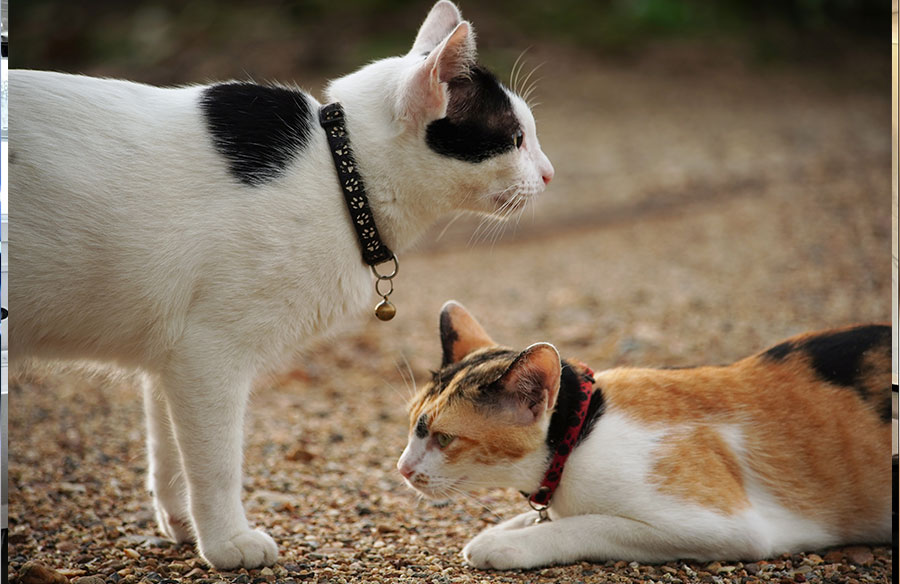
Cats are mysterious creatures, often leaving their owners wondering what exactly they are trying to say. Whether they’re meowing for food, purring in your lap, or giving you a slow blink, their communication can sometimes be puzzling. Unlike dogs, who are generally more vocal and expressive, cats have their own unique ways of communicating. Understanding how cats communicate can help strengthen the bond between you and your feline friend, allowing for a more harmonious home environment.
Did you know that cats have over 100 different sounds they use to communicate? Cats are capable of making a wide range of vocalizations, from meows to growls and purrs, each with its own meaning. But their communication isn’t limited to sounds—they also use body language and scent marking to convey messages. In this guide, we’ll explore the various ways in which cats communicate, helping you better understand your pet’s needs, feelings, and desires.
How Do Cats Communicate?
Cats use a combination of vocalizations, body language, and scent marking to express themselves. Each method serves a different purpose, whether it’s to alert you to a need, show affection, or communicate discomfort. Here’s a closer look at the primary ways in which cats communicate:
1. Vocalizations: More Than Just Meowing
While cats are not as vocal as dogs, they still use a wide range of sounds to express their emotions and needs. Understanding these sounds can give you insight into what your cat is trying to say.
Common Cat Sounds:
- Meowing: Cats typically meow to get attention from their owners. If your cat is meowing at you, they may be asking for food, attention, or simply trying to get your notice. The tone and pitch of the meow can give you more information about their mood.
- Purring: Often associated with contentment, purring can also indicate that a cat is feeling anxious or in pain. If a cat is purring while resting in your lap, it’s likely a sign that they’re comfortable. However, purring during a stressful situation can be a way for them to self-soothe.
- Hissing and Growling: These sounds are clear signs of distress or fear. If a cat is hissing or growling, it may feel threatened or cornered. This is their way of warning others to back off.
- Chirping or Chattering: These are often heard when a cat is looking out the window at birds or other prey. It’s believed that these sounds mimic the call of prey animals and may be an instinctive behavior.
2. Body Language: A Silent Form of Expression
A cat’s body language can speak volumes. They don’t need to vocalize to communicate their feelings; their posture, tail movements, and facial expressions can tell you exactly how they’re feeling. Understanding these subtle cues is key to understanding your cat.
Key Body Language Signs:
- Tail Position: The tail is one of the most expressive parts of a cat’s body. A tail held high indicates confidence, while a tail tucked between the legs signals fear. If the tail is puffed up, your cat is likely frightened or defensive.
- Ear Position: Cats’ ears can tell you a lot about their mood. Ears held forward show interest or curiosity, while ears flat against the head signal anger or fear. When ears are turned sideways, it often means the cat is confused or in a neutral state.
- Eyes: Slow blinking is often a sign of affection. Cats will also dilate their pupils when they’re excited or agitated. If your cat is staring at you with wide eyes, it could mean they’re trying to get your attention or they’re feeling threatened.
- Posture: A relaxed, stretched-out body signals comfort and contentment, while a crouched or defensive posture suggests your cat feels threatened. When a cat raises its back and arches its spine, it is usually expressing discomfort or trying to make itself look larger.
3. Scent Marking: A Subtle Communication Tool
While cats are known for their grooming habits, they also use scent marking as a way to communicate. Scent marking involves rubbing their face against objects, scratching surfaces, or even urinating in certain areas to mark territory.
Common Scent Marking Behaviors:
- Rubbing Against You: When a cat rubs its head or body against you, it’s marking you as part of their territory. It’s a sign of affection and a way for your cat to claim you as their own.
- Scratching: Cats scratch objects not just to sharpen their claws, but also to mark their territory. The scent glands in their paws release a unique scent when they scratch, leaving a mark that says, “This is mine.”
- Urinating: While more common in unspayed or unneutered cats, scent marking through urine is a sign of territorial behavior or stress. Cats might do this if they’re feeling threatened or anxious.
Common Cat Behaviors and What They Mean
| Behavior | What It Means | How to Respond |
| Meowing | Seeking attention, food, or interaction | Respond with attention or feeding |
| Purring | Contentment, relaxation, or self-soothing | Enjoy the moment or provide calm |
| Hissing/Growling | Fear, discomfort, or aggression | Give space, avoid confrontation |
| Tail Flicking | Annoyance, irritation | Leave them alone for a while |
| Head-Butting | Affection and marking territory | Pet them or engage in play |
The Devon Rex Cat: A High-Energy Communicator
The Devon Rex cat is one of the more energetic and social breeds, making them particularly expressive in terms of cat communication. Known for their playful demeanor and unique, curly coat, Devon Rex cats are highly vocal and affectionate.
What to Expect from a Devon Rex Cat:
- Vocalization: Devon Rex cats are often quite chatty. They will frequently meow, chirp, or trill to communicate their needs, whether it’s food, attention, or simply wanting to engage with you.
- Body Language: These cats are very playful, and their body language often reflects their active nature. They’ll often approach you with an arched back, ready for attention, play, or cuddles.
- Affectionate Behavior: They love being near their humans and will often seek you out for petting or to curl up in your lap. They communicate their affection with lots of purring and occasional gentle nips.
If you have a Devon Rex cat, be prepared for a lot of engagement and interaction. These cats thrive in homes where they get plenty of attention and stimulation.
Understanding Your Cat’s Communication Style
Every cat is different, and while there are general patterns in cats’ communication, it’s essential to understand your cat’s unique way of expressing themselves. By paying attention to their vocalizations, body language, and scent-marking behaviors, you can better understand their needs and emotions.
How to Improve Your Understanding of Your Cat:
- Observe Your Cat’s Behavior: Take note of how your cat behaves in different situations. Do they meow when they’re hungry? Do they purr when they’re happy? Over time, you’ll learn their specific signals.
- Respond to Their Cues: If your cat is meowing for food, try feeding them. If they’re rubbing up against you, give them attention or petting. By responding to their needs, you’ll strengthen your bond.
- Respect Their Space: If your cat is hissing or growling, don’t push them to interact. Respect their boundaries and give them space when they need it.
Conclusion
Understanding cat communication is a valuable skill for any cat owner. By learning to interpret the different sounds, gestures, and behaviors that cats use to express themselves, you can deepen your bond with your feline friend and ensure they feel understood and cared for. Whether you’re interacting with an energetic Devon Rex cat or a more reserved breed, being in tune with their needs will make your life—and theirs—much more enjoyable.
So, the next time your cat meows, purrs, or rubs up against you, take a moment to consider what they might be trying to tell you. By paying attention to the subtleties of cats’ communication, you’ll be able to create a stronger, more connected relationship with your feline companion.