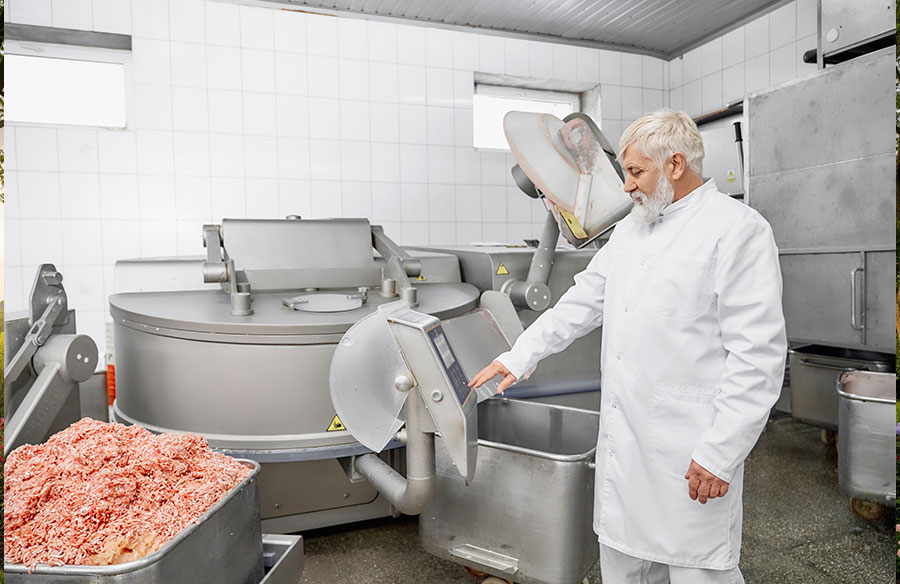
Efficiency is a top priority in modern meat processing operations. As demand for consistent, high-quality protein products continues to grow, processors are increasingly focused on equipment solutions that improve throughput, enhance product quality, and streamline production workflows. One of the most effective tools for achieving these goals is the commercial mixer grinder.
What Are Commercial Mixer Grinders?
Commercial mixer grinders are integrated systems that combine grinding and mixing into a single, continuous process. Instead of moving product between separate pieces of equipment, raw materials are ground to the desired particle size and mixed uniformly in one system. This design helps simplify production lines and improves overall process control.
Streamlining Production Flow
One of the primary benefits of commercial mixer grinders is their ability to create a more efficient processing flow. By combining two critical functions into one operation, processors can eliminate unnecessary transfer points that can slow production and increase the risk of product variation.
This streamlined approach supports consistent throughput and helps maintain a steady pace throughout the processing line. For high-volume applications such as ground meat, sausage production, and value-added protein products, uninterrupted flow is essential to meeting production targets while maintaining product integrity.
Enhancing Product Consistency and Quality
Consistency is essential in meat processing, particularly for processors supplying retail and foodservice markets. Inconsistent grind size or uneven ingredient distribution can negatively affect texture, appearance, and flavor. Commercial mixer grinders are engineered to deliver uniform particle size while thoroughly blending seasonings, marinades, or functional ingredients.
By ensuring even mixing throughout the batch, these systems help processors achieve repeatable results from run to run. This level of consistency not only improves product quality but also strengthens brand reliability and customer confidence.
Improving Yield and Minimizing Waste
Yield optimization is another key advantage of commercial mixer grinders. These systems are designed to handle proteins efficiently while maintaining control over temperature and mechanical action. Proper grinding and mixing help reduce smearing, moisture loss, and fat separation, all of which can negatively impact final yield.
When product is processed consistently and gently, a greater percentage of usable material is retained. This improved yield translates into less waste and better utilization of raw ingredients, which is critical in an industry where margins are closely monitored.
Supporting Automation and System Integration
Commercial mixer grinders are well-suited for integration into automated processing lines. They can be paired with conveyors, pumping systems, and downstream forming or packaging equipment to create a cohesive and efficient operation. This level of integration improves process consistency and supports better production monitoring and traceability.
Additionally, mixer grinders are scalable solutions that can accommodate growing production demands. Whether used in mid-sized facilities or large industrial operations, they provide the flexibility needed to support expansion without compromising performance.
A Strategic Advantage for Meat Processors
In a competitive processing environment, equipment that enhances efficiency, consistency, and yield offers a clear advantage. Commercial mixer grinders help processors optimize their production lines by simplifying workflows and delivering reliable, high-quality results. For operations focused on long-term performance and product excellence, these systems play a critical role in modern meat processing.