Lighting is often treated as the final layer of architecture, added after walls are built and furniture is placed. In reality, light plays a far more influential role. It shapes how spaces feel, how large or intimate they appear, how people move through them, and how they are remembered long after leaving.
Two rooms with identical layouts and materials can feel entirely different depending on lighting alone. Thoughtful lighting design operates quietly, influencing emotion and perception without demanding attention. In this sense, lighting is not decoration. It is an invisible architect.
Design-focused brands such as LumoCrafts approach lighting as an experiential tool, one that connects architectural form with how people actually inhabit a space.
How Light Shapes Mood
The color temperature of light has a direct psychological impact. Warm, low-intensity lighting in the 2200K to 3000K range tends to feel calming and intimate. This is why it is commonly used in living rooms, bedrooms, restaurants, and hospitality interiors where relaxation and conversation matter. Warm light softens edges, deepens shadows, and encourages people to slow down.
Cooler light in the 3500K to 5000K range feels more energizing and precise. It supports focus and alertness, making it suitable for kitchens, offices, studios, and contemporary interiors. Neither approach is better by default. Each establishes an emotional tone that should align with how a space is used.
Brightness and contrast matter just as much as color. Uniformly bright spaces feel open and uplifting, but can quickly become flat or overstimulating. Dimmer environments with intentional contrast introduce depth and atmosphere. Shadows can create calm, drama, or intimacy depending on how they are used. Effective architectural lighting balances clarity with restraint.
Light, Space, and Perception
Lighting can dramatically change how people perceive the size and proportions of a room. Illuminating walls and ceilings makes interiors feel larger and more open. Bright vertical surfaces push boundaries outward, while lit ceilings visually increase height.
Darkening ceilings, corners, or upper walls has the opposite effect. It pulls space inward and creates a sense of enclosure. This technique is often used in lounges, dining spaces, and hospitality interiors to build comfort and intimacy. Without moving a single wall, lighting reshapes spatial experience.
Direction also plays a role. Uplighting and concealed cove lighting visually lift architecture, while wall washers smooth surfaces and reduce visual noise. Narrow, directional beams emphasize rhythm and depth, particularly in corridors or along architectural elements. In public interiors such as hotels or galleries, lighting subtly guides movement and makes navigation feel intuitive rather than forced.
Layered Lighting and the Architecture of Experience
One of the most effective lighting strategies is layering. By combining ambient, task, and accent lighting, designers create spaces that feel balanced, functional, and emotionally engaging.
Ambient lighting establishes the base level of illumination needed for orientation and safety. Recessed downlights, ceiling fixtures, wall sconces, and coves fall into this category. On its own, ambient lighting often feels flat. It provides visibility, not atmosphere.
Task lighting adds precision where activities occur. Under-cabinet lights in kitchens, desk lamps in workspaces, and mirror-side sconces in bathrooms improve visual comfort and reduce eye strain. Well-placed task lighting directly supports performance and ease of use.
Accent lighting brings character. Picture lights, adjustable spots, track heads, and wall washers highlight textures, artwork, niches, and material transitions. Accent light establishes hierarchy by guiding attention and creating focal points. It is often what transforms a functional interior into a memorable one.
Lighting, Comfort, and Human Performance
Research consistently shows that lighting affects satisfaction and well-being. In office environments, illuminance levels around 300 to 500 lux are generally associated with higher comfort and preference ratings. Too little light causes fatigue, while excessive brightness can lead to glare and discomfort.
Control is equally important. Spaces that allow users to dim lights or adjust local task lighting report higher comfort and perceived productivity. The ability to adapt lighting to personal needs reinforces a sense of autonomy, which strongly influences how people experience a space.
Designers are increasingly adopting human-centric lighting approaches that combine daylight, tunable white LEDs, and dimming systems. These strategies support circadian rhythms, helping occupants stay alert during the day and relax in the evening. Lighting becomes a tool for health as well as aesthetics.
When Lighting Fixtures Become Architectural Elements
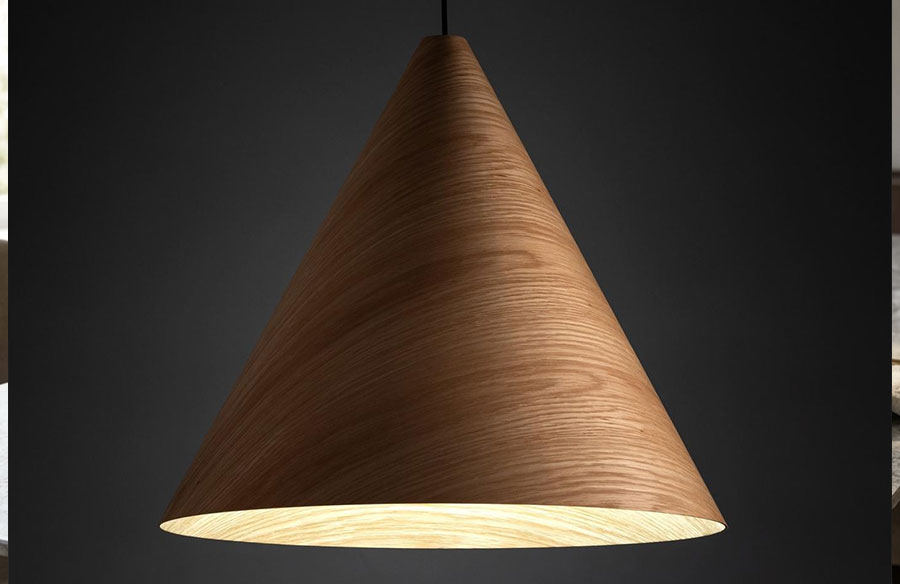
At their best, lighting fixtures contribute to spatial character rather than simply providing illumination. Material, scale, and diffusion all influence how light is perceived. Natural materials such as wood and softly diffused glass introduce warmth and tactility, especially in minimalist or Scandinavian-inspired interiors.
A sculptural pendant can function as both a visual anchor and a source of layered light. Thoughtfully designed pieces from curated ranges such as the Pendant Lighting Collection demonstrate how form, material, and light can work together to shape mood while supporting architectural intent rather than competing with it.
Designing Experience Through Light
Lighting is one of the most powerful and least visible tools in architecture. It shapes mood, alters perception, and influences how people move through and remember spaces. When treated as an integral design element rather than an afterthought, lighting transforms buildings into experiences.
Architecture defines the structure of a space. Light defines how that space is lived.
Media Info:
Organization: LumoCrafts
Email: [email protected]
Address: 5080 Timberlea Blvd, Unit #17 Mississauga, ON L4W 4M2, Canada
Website: lumocrafts.com