When you think about a healthy home, you might picture clean surfaces, fresh air, and a comfortable place to relax. While those things matter, a truly healthy living space goes deeper than what you can see at first glance. It’s shaped by how well your home is maintained over time and how proactively you address small issues before they become bigger problems.
Many factors that affect your well-being at home happen quietly. Hidden moisture, unnoticed cracks, poor airflow, or uninvited pests can slowly impact comfort, cleanliness, and even health. When these issues go unchecked, they can affect air quality, trigger allergies, or create stress without you fully realizing why.
Thoughtful home maintenance focuses on prevention rather than reaction. By taking consistent steps to care for your space, you create an environment that supports physical comfort, mental peace, and long-term safety. A healthier home isn’t built overnight. It’s maintained through steady, intentional care.
Preventive Home Care Helps Reduce Hidden Health Risks
Some of the biggest threats to a healthy home aren’t obvious. Pests, moisture buildup, and allergens often develop out of sight, but they can still affect daily living. When left untreated, these issues can compromise hygiene, damage surfaces, and disrupt your sense of comfort.
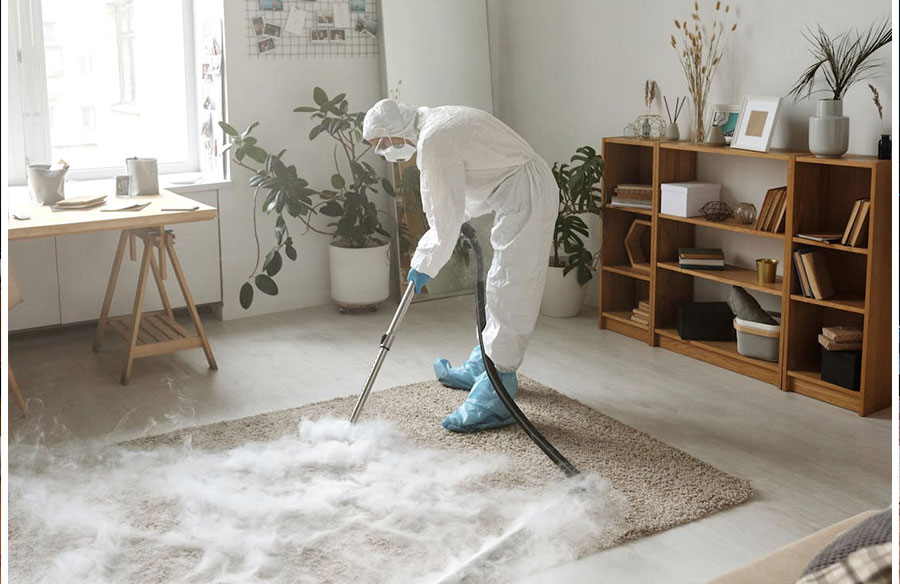
Pests, in particular, can introduce bacteria, contaminate food areas, and damage materials inside your home. That’s why prevention matters more than waiting until a problem becomes visible. Scheduling a residential pest control service as part of regular home maintenance helps address potential infestations early, protecting living spaces before pests have a chance to spread or cause damage. Professional preventive care focuses on identifying entry points, monitoring activity, and maintaining a cleaner, safer environment.
When preventive measures are in place, your home stays more hygienic and easier to manage. Instead of reacting to issues after they grow, you’re supporting a healthier space from the start.
How Regular Maintenance Improves Indoor Air Quality
Indoor air quality plays a major role in how your home feels day to day. Dust, pollen, and other airborne particles can build up over time, especially if ventilation systems aren’t maintained properly. Poor air quality can trigger allergies, cause irritation, and make your home feel stuffy or uncomfortable.
Regular maintenance helps keep air moving and surfaces clean. Changing air filters, cleaning vents, and addressing sources of dust all contribute to fresher air. When airflow improves, your home feels lighter and more comfortable, making it easier to relax and breathe easily.
Even small habits, like keeping windows clear and maintaining HVAC systems, can have a noticeable impact. Over time, these efforts add up to a healthier breathing environment for everyone in your home.
Moisture Control and Its Impact on Home Health
Moisture is one of the most common hidden threats in a home. Leaks, condensation, or poor drainage can lead to damp areas that encourage mold growth and structural damage. These problems don’t just affect surfaces. They can also impact health by worsening respiratory issues or allergies.
Thoughtful maintenance includes checking for leaks, sealing cracks, and ensuring proper drainage around your home. Addressing moisture early prevents long-term damage and helps maintain a dry, comfortable living space.
Keeping moisture under control also protects your home’s structure. Walls, floors, and foundations last longer when they aren’t exposed to ongoing dampness, which supports both safety and comfort.
Maintaining Clean, Functional Living Areas
A well-maintained home supports more than physical health. It also affects mental well-being. Clutter, broken fixtures, and unfinished repairs can create low-level stress that builds over time. When your space feels neglected, it’s harder to relax and feel at ease.
Regular upkeep helps maintain order and function. Fixing small issues promptly, keeping spaces clean, and ensuring everything works as it should creates a sense of stability. Your home feels more supportive and less overwhelming.
Functional spaces also make daily routines easier. When your environment works for you, everyday tasks take less effort, leaving you with more energy and peace of mind.
Protecting Home Structure to Support Safety and Comfort
Your home’s structure plays a quiet but essential role in your well-being. Cracks, loose materials, or worn seals may seem minor at first, but they can lead to drafts, leaks, or safety concerns if ignored.
Thoughtful maintenance means paying attention to these details. Sealing gaps, repairing small cracks, and checking structural elements regularly helps maintain a secure environment. These actions also prevent outside elements, like moisture or pests, from entering your home.
When your home feels solid and secure, comfort naturally improves. You’re able to trust your space to protect you, which contributes to a greater sense of safety and calm.
Thoughtful Maintenance and Long-Term Home Value
Healthy homes tend to hold their value better over time. Buyers and occupants alike appreciate spaces that have been well cared for, not just visually but structurally and hygienically.
Preventive maintenance reduces the likelihood of major repairs later. Addressing small issues early costs less and preserves materials longer. Over time, this approach saves money while maintaining livability.
Even if you’re not planning to sell, maintaining value matters, a home that stays in good condition supports long-term comfort and flexibility, whether your needs change or you decide to move in the future.
Creating a Sustainable Maintenance Routine
The idea of home maintenance can feel overwhelming, but it doesn’t have to be. The key is consistency, not perfection. A sustainable routine focuses on manageable tasks done regularly rather than occasional large efforts.
Breaking maintenance into seasonal or monthly check-ins makes it easier to stay on track. Planning for inspections, cleanings, and preventive services helps reduce stress and last-minute decisions.
When maintenance becomes part of your routine, it feels less like a burden and more like an investment in your daily life. Over time, these habits support a home that feels healthier, safer, and more enjoyable.
A healthy home isn’t defined by one big improvement. It’s shaped by many small, thoughtful choices over time. When you focus on preventive maintenance, you reduce hidden risks, improve comfort, and create an environment that supports both physical and mental well-being.
From air quality and moisture control to structural care and cleanliness, every aspect of maintenance plays a role in how your home feels. Consistent attention helps prevent problems before they start and makes daily living more comfortable and stress-free.
By approaching home care with intention and balance, you create a living space that truly supports your health, comfort, and peace of mind for years to come.