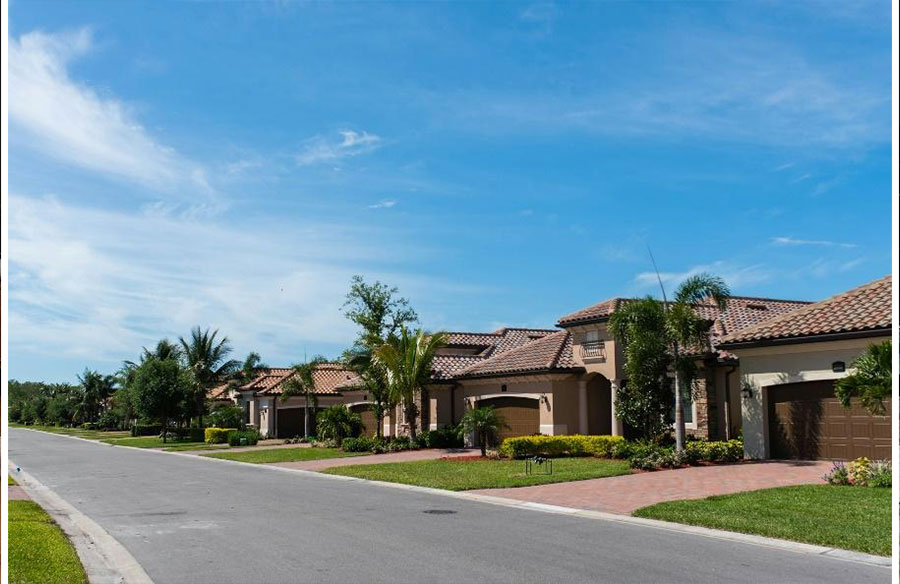
A home is more than a place to live. It is a long-term asset shaped by many interconnected elements that influence how well it holds its value over time. While short-term market changes can cause shifts, the true measure of value is determined by deeper qualities that endure. Buyers and homeowners alike benefit from understanding these factors because they shape not only future appeal but also daily comfort and satisfaction.
From the way a neighborhood is planned to how a home adapts to changing needs, each aspect plays a meaningful role in sustaining long-term value. In communities like Pattinson, TX, these considerations often guide both purchase decisions and future growth in a way that supports lasting appeal.
The Role of Well-Planned Communities
One of the strongest influences on long-term home value is the structure and vision behind the community itself. A well-planned community considers layout, shared spaces, and thoughtful development that supports daily living without feeling crowded or disconnected. Streets designed for ease of movement, green areas that invite use, and a sense of order all contribute to a lasting impression that appeals to future buyers.
Within such environments, homes tend to benefit from consistent care and shared standards that preserve visual harmony. When people search for new homes in Pattinson, TX, they are often drawn to communities where planning reflects foresight rather than rushed growth. This sense of intention creates confidence that the area will remain desirable, which in turn supports long-term value.
Neighborhood Stability and Overall Growth
Stability within a neighborhood plays a major role in how a home is perceived over time. Areas where residents take pride in their surroundings tend to age gracefully. Consistent occupancy, respectful use of shared spaces, and a general sense of care help protect property appeal.
When people feel connected to where they live, they are more likely to maintain their homes and surroundings. Growth also matters, but it should be measured and thoughtful. Development that aligns with the existing character of the area tends to strengthen value rather than weaken it.
Quality of Construction and Design
The way a home is built has lasting consequences. Solid construction, reliable materials, and practical design choices influence how well a property withstands time. Homes that are thoughtfully designed often require fewer major repairs and remain attractive as trends shift.
Design that prioritizes natural light, functional layouts, and durable finishes tends to resonate with a wide range of buyers. Rather than following fleeting styles, a focus on timeless appeal supports long-term interest.
Ongoing Maintenance and Care
Even the best-built home relies on proper maintenance. Regular care protects structural integrity and keeps the property looking inviting. Small issues addressed early prevent larger problems that can erode value over time.
Homes that show consistent upkeep send a clear message about pride of ownership. This impression matters when buyers assess not only the home itself but also how it has been treated.
Natural Surroundings and Environmental Appeal
The setting around a home can enhance its value in subtle but powerful ways. Natural elements such as open skies, trees, and well-cared-for outdoor spaces create a sense of calm and balance. These features are not easily replicated, which makes them especially valuable over time.
Environmental considerations also influence how comfortable a home feels throughout the year. Thoughtful placement, natural shading, and harmony with the surrounding landscape contribute to daily enjoyment and lasting appeal.
Accessibility and Everyday Convenience
Ease of daily living is another key factor in long-term home value. Homes that are easy to reach and simple to navigate within their surroundings tend to attract steady interest. Convenience does not rely on excess but on thoughtful placement and practical design.
When everyday needs can be met without difficulty, residents experience a higher quality of life. This satisfaction translates into stronger demand over time, which supports value even as preferences evolve.
Market Demand and Buyer Perception
Perception plays a powerful role in how homes are valued. A property that aligns with what buyers seek today while remaining adaptable for tomorrow holds a strong position. Demand is shaped by comfort, appearance, and the overall feel of the area.
Homes that offer flexibility and broad appeal tend to weather changes in buyer preferences more effectively. When a property feels welcoming to different lifestyles, it remains relevant and valued over the long term.
Community Engagement and Shared Responsibility
A sense of community can elevate home value in meaningful ways. When residents feel connected and invested, they often work together to maintain shared standards. This cooperation supports cleanliness, safety, and overall appearance.
Engaged communities tend to address concerns proactively, which prevents decline and reinforces stability. A welcoming atmosphere encourages people to stay longer and care more deeply about their surroundings, both of which benefit long-term value.
Adaptability to Changing Needs
Homes that can adapt to changing lifestyles often hold their value better. Flexible spaces, practical layouts, and the ability to update without major disruption make a property more resilient. As needs evolve, adaptability allows a home to remain functional and appealing.
This quality reassures buyers that the home can grow with them rather than limit them. A property that supports change without losing its core appeal stands strong over time.