Sustainable architecture is often framed around energy efficiency, renewable technologies, and operational performance. While these aspects are undeniably important, one foundational issue is frequently overlooked: how long materials actually last. In the built environment, material longevity is emerging as a defining factor in whether sustainability goals are genuinely achieved or quietly undermined over time.
Architectural design has traditionally prioritised aesthetics, cost efficiency, and construction speed. However, as climate responsibility becomes central to design thinking, the lifespan of materials is gaining renewed attention. A material that degrades prematurely may satisfy short-term requirements, but it often generates hidden environmental costs that surface years later through repairs, replacements, and material waste.
Rethinking Sustainability Beyond Energy Metrics
Energy performance has long dominated sustainability discussions. Buildings are evaluated based on operational carbon, insulation efficiency, and renewable integration. Yet, these metrics tell only part of the story. Materials carry embodied carbon that is expended at the moment of extraction, processing, and installation. When a component fails early, this embodied carbon is effectively duplicated.
From an architectural perspective, sustainability is no longer only about reducing consumption during use, but about extending the useful life of the built environment itself. Longevity reduces the need for repeated intervention, lowering both material demand and lifecycle emissions. In this sense, durability becomes a design strategy rather than a purely technical specification.
Longevity as a Design Decision
Material choice shapes not only how a building looks, but how it performs decades into the future. Designers are increasingly considering questions such as: How will this material age? Will it retain its integrity under continuous environmental exposure? Can it support long-term use without frequent replacement?
These considerations are particularly relevant in components exposed to mechanical stress, temperature variation, or repetitive use. In such contexts, architects often look beyond conventional materials and explore options that prioritise stability and resistance over initial cost savings. This shift reflects a broader understanding that materials selected for longevity contribute to both environmental responsibility and design resilience.
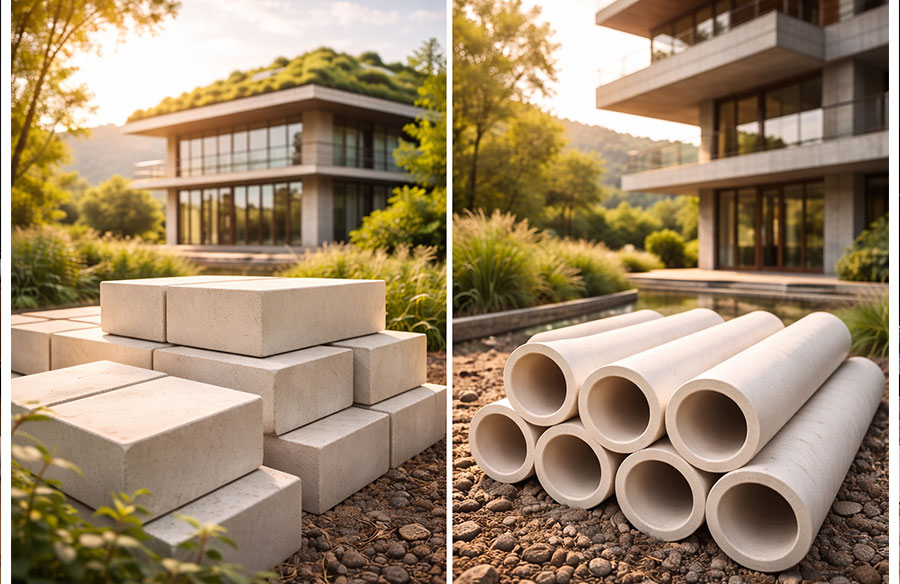
For example, materials such as alumina-based ceramic materials for long-life building applications are often referenced in discussions about durability due to their stability under demanding conditions. In architectural discourse, their relevance lies not in product specificity, but in demonstrating how material performance can support long-term design intent.
Lifecycle Thinking in the Built Environment
Lifecycle thinking is becoming central to architectural education and practice. Rather than viewing buildings as static objects, designers increasingly consider them as evolving systems that must perform across decades of use. Maintenance, adaptability, and material endurance are now part of early-stage design conversations.
This perspective aligns closely with sustainable design principles. Materials that maintain performance over extended periods reduce the frequency of refurbishment and replacement, helping to minimise construction waste. Fewer interventions also mean reduced disruption to occupants and surrounding environments, reinforcing the social dimension of sustainability.
In urban contexts, where buildings are expected to serve multiple generations, durability supports continuity within the built fabric. It allows architecture to age gracefully rather than deteriorate prematurely, preserving both functional and cultural value.
Designing for the Future, Not the Moment
Architecture increasingly operates within a future-oriented framework. Climate uncertainty, resource constraints, and evolving patterns of use demand designs that are robust rather than disposable. Material longevity supports this future-focused approach by reducing dependency on constant renewal.
Designing for durability does not imply sacrificing creativity or flexibility. On the contrary, it encourages thoughtful material selection that balances form, performance, and time. Materials capable of maintaining integrity under prolonged use provide architects with greater confidence that their designs will remain relevant and responsible.
Conclusion
As sustainable architecture continues to evolve, material longevity is becoming a core design principle rather than a secondary consideration. Buildings that rely on short-lived materials may meet immediate performance targets, but they often fail to deliver true sustainability over their lifespan.
By prioritising materials that endure, architects can reduce embodied carbon, limit waste, and support a more resilient built environment. Longevity transforms material choice into a strategic design decision—one that aligns environmental responsibility with architectural intent. In the long term, the most sustainable buildings are not only those that consume less energy, but those that are built to last.