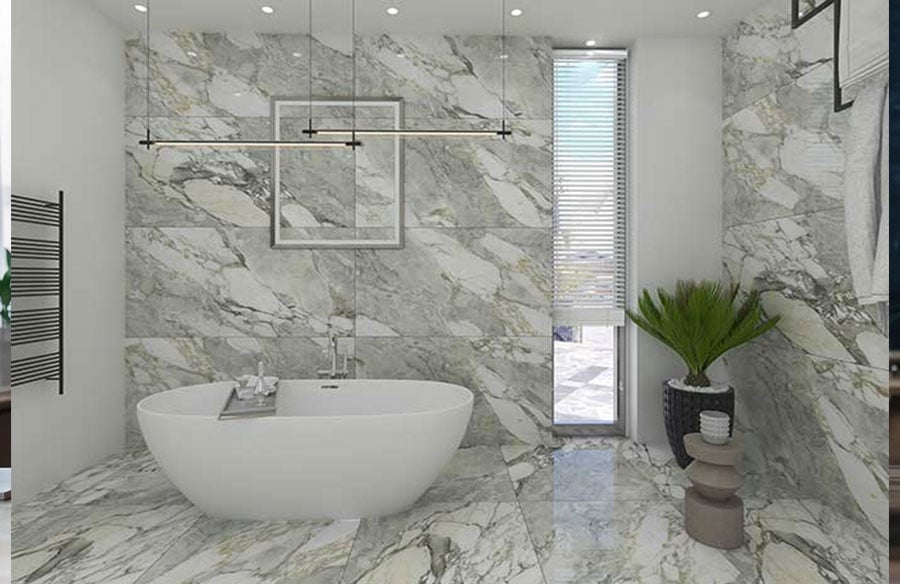
The wall tile price can vary significantly, even for options that appear similar at first glance. Some tiles offer striking designs but demand careful maintenance, while others are efficient yet lack character. The ideal choice balances aesthetic appeal, durability, and long-term value. Understanding the factors that influence wall tile prices helps homeowners make informed decisions that align with their budget while ensuring quality and longevity.
Why Tile Prices Vary So Much?
The price of tiles can vary widely, even when they appear similar. This difference is influenced by factors such as the material, manufacturing process, design detailing, and performance standards. While two tiles may look alike, their durability, finish quality, and lifespan can vary widely. That is why comparing only the tile price per square foot often creates confusion. Understanding what goes into the making of a tile helps you see the real value behind its price.
Material Makes a Difference
The base material plays a major role in deciding the wall tiles price. Here are a few:
- Ceramic tiles are usually more affordable and work well for low-impact areas, such as bedroom walls or decorative sections.
- Vitrified tiles are denser, stronger, and less porous, making them suitable for kitchens, bathrooms, and even exterior walls.
- Porcelain wall tiles fall on the premium side due to their strength and moisture resistance.
- Higher-grade materials may increase the initial tile price, but they often reduce repair, replacement, and maintenance costs over time.
Size and Format Impact Cost
Tile size directly affects pricing, as larger tiles require advanced manufacturing and precise installation, while smaller or standard sizes are usually less expensive.
- Large-format wall tiles create a seamless and modern look with fewer grout lines, but they require advanced manufacturing techniques and precise installation. This influences the wall tiles price, especially for sizes like 600×1200 mm or larger slabs used for feature walls.
- Smaller tiles or standard sizes are usually less expensive and ideal for compact spaces, backsplashes, or accent walls. Choosing the right size for the right space helps balance design and budget.
Finish and Surface Technology
The surface finish you choose adds both beauty and value. Glossy wall tiles reflect light, making small rooms feel bigger. Matt tiles offer a soft, elegant appearance and hide smudges better. Textured and 3D tiles add depth and character but often come at a higher tile price due to complex surface detailing.
Advanced finishes that offer stain resistance, moisture protection, or easy cleaning may slightly raise the wall tiles price, but they significantly improve everyday usability.
Design and Visual Appeal
Design is where emotion meets practicality. Minimal patterns are usually more affordable, while stone-inspired, marble-look, or decorative tiles involve detailed printing and design processes. This affects the tile’s price, especially when the design mimics natural materials with high realism.
Where Do You Use the Tile Matters?
Different rooms have different requirements, and this influences pricing decisions.
- Living room wall tiles focus more on appearance and finish, allowing flexibility in pricing based on design preferences.
- Kitchen wall tiles must handle grease, heat, and frequent cleaning, so investing slightly more in quality is worthwhile.
- Bathroom wall tiles need strong water resistance and low porosity, which can affect their price but ensure long-term performance.
Matching tile performance to room usage prevents unnecessary spending and future issues.
Installation and Long-Term Costs
Often overlooked, installation quality plays a key role in the real value of tile. Large or heavy tiles may cost more to install, but they offer a refined finish and long-lasting durability. Cheaper tiles with uneven surfaces or poor adhesion can increase repair costs over time, making the initially low tiles price misleading. For example, brands like Simpolo Tiles & Bathware known for their uniform surfaces and consistent finishes, which support smoother installation and dependable performance. This makes tile cost a long-term investment rather than a one-time expense.
How to Choose the Right Tile Within Your Budget?
Start by deciding where to invest more and where to save. Use premium tiles for focal areas and simpler designs for secondary walls. Always consider tiles based on material, finish, size, and performance, rather than focusing solely on the wall tiles price per square foot.
Seeing tiles in person, checking surface quality, and understanding maintenance requirements help assess real value beyond numbers. Many contemporary Indian homes now feature thoughtfully designed wall tile collections that combine durability, variety, and consistent quality across different budgets, reflecting the careful planning behind modern interiors.
Conclusion
Tile shopping becomes easier when you stop chasing the lowest tile price and start looking for the best fit for your space, lifestyle, and long-term needs. The right wall tile enhances not just your walls, but your everyday living experience.
In the end, the best tile is not the cheapest one or the most expensive one. It is the one that looks good year after year, performs without problems, and feels worth every rupee you spent. When you understand what shapes wall tiles price, choosing wisely becomes natural, not stressful.