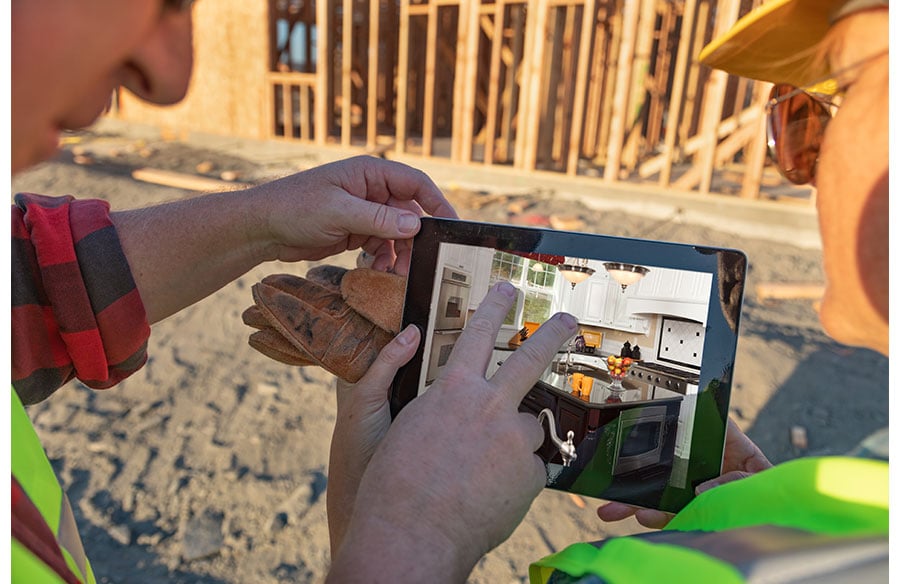
Construction has traditionally been a hands-on, offline industry — but that’s changing fast. In the 21st century, digital transformation is reshaping how construction professionals communicate, coordinate, and get projects done. Whether it’s hiring skilled workers, managing tasks, or improving collaboration, digital platforms are now at the heart of modern workflows.
This article explores five key ways technology is transforming construction processes in real and measurable ways, with platforms like baubau.app helping drive this change across Europe and beyond.
1. Solving the Skilled Labor Shortage
Across Europe and globally, the construction industry is facing a skilled labor shortage. Demand for renovation, restoration, and infrastructure projects is rising, while the supply of qualified professionals isn’t keeping up. In places like Austria, this shortage often leads to project delays, higher costs, and project backlogs.
Digital platforms help fill this gap by connecting homeowners, developers, and contractors with local, verified workers. Instead of relying on personal referrals or outdated directories, users can browse profiles, compare offers, and find skilled professionals quickly — all online. This creates a more inclusive hiring process and helps distribute demand across available labor.
2. Smarter Hiring Through Technology
Traditionally, hiring for construction projects involved time-consuming phone calls, manual quotes, and a lot of uncertainty. Today, platforms streamline this process through easy search tools, verified reviews, and direct communication.
On modern construction platforms, every craftsman goes through a vetting process before being listed. Homeowners can view past projects, read reviews, and message candidates directly. This creates a more transparent and efficient system where the right professional is only a few clicks away — leading to faster hiring and better project outcomes.
3. Clearer Communication and Fewer Delays
Delays and miscommunication are two of the most common causes of budget overruns in construction. Digital platforms reduce both by offering built-in tools for messaging, scheduling, and project updates. This gives everyone — from workers to clients — a central place to stay informed and aligned.
With everything organized in one place, projects move forward with less confusion, more accountability, and faster decision-making. For project managers juggling multiple tasks and stakeholders, this digital clarity is a game-changer.
4. Boosting Transparency and Trust
Clients want visibility into how a project is progressing. Workers want clarity on what’s expected. Digital tools deliver both by documenting progress, sharing schedules, and tracking quotes and invoices.
This kind of transparency builds trust between both sides of a project — and helps reduce surprises or disputes down the line. It’s a major step forward from the traditional handshake approach, where important details could get lost, forgotten, or misunderstood during a project.
5. Empowering Local Professionals
Independent contractors and small businesses now have access to tools that help them compete more effectively. By showcasing their skills online and reaching more clients, they can build a stronger reputation and grow sustainably.
For professionals in Austria, for example, platforms with local language support and job matching offer critical access — especially for newcomers, freelancers, or those seeking consistent work. This democratizes opportunity and promotes healthy competition in a traditionally fragmented industry.