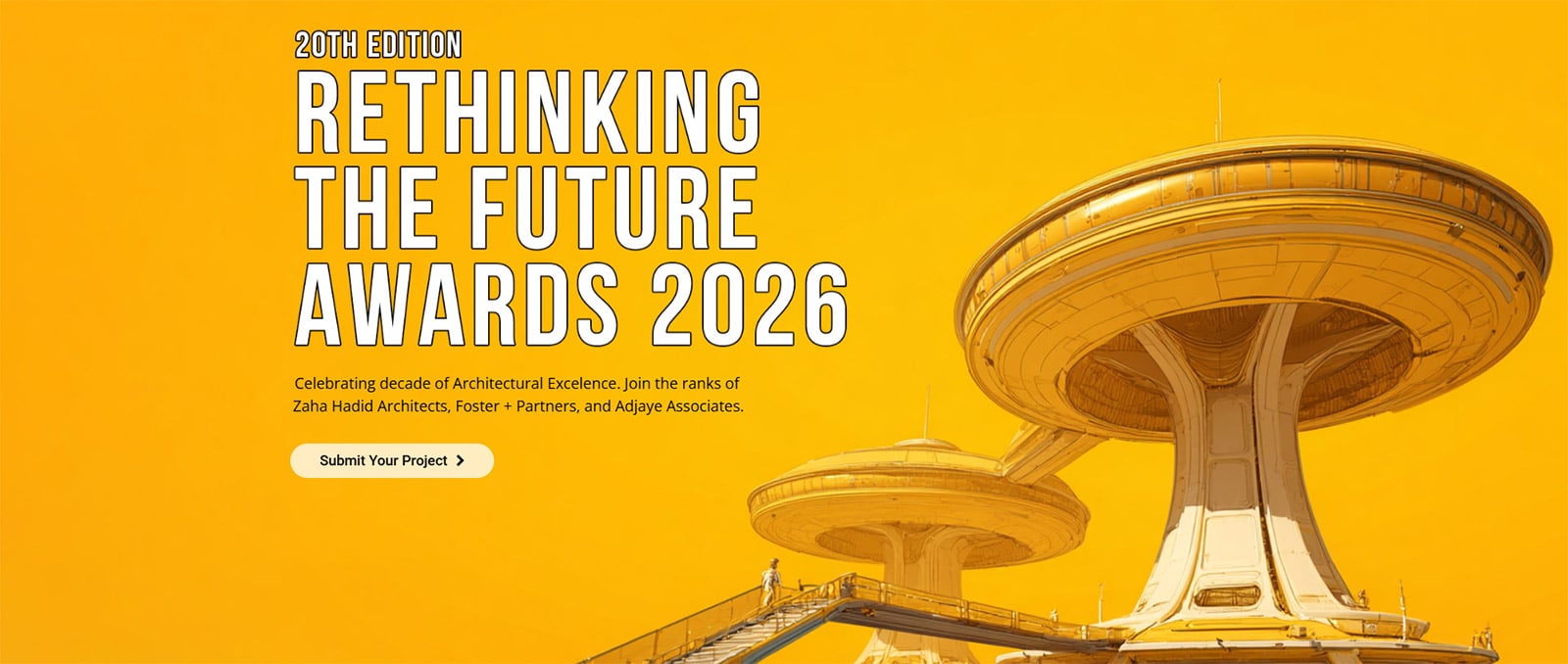

At the start of the architectural and interior design processes, creativity, experimentation, and rapid iteration take the lead. Designers at this stage work with rough sketches, base concepts, and color/mood boards as opposed to in-depth plans. What design teams observe is that early concepts are put into clear visual form, which is a time-intensive task, especially as it is seen that many design directions are explored before a final approach is selected. That is where AI-powered image generation tools are beginning to see great use in today’s design workflows.
One example is Nano Banana, which is available at nanobananaimg. It has been designed for the purpose of producing images from text and text from images. Though it does not include drafting, modeling, or editing tools, it does excel in the early stages of the architectural and interior design process for concept visualization.
Visualizing Concepts Before Technical Design
In the field of architecture, at the beginning of a project, the focus is placed on form, massing, spatial relationships, and atmosphere, which is, in fact, a more abstract level of design as compared to precise dimensions and construction details. In the past these concepts were presented through hand sketches, reference images, or basic digital models. Also, what was put forward with these tools may not always fully get across the intended feel, light, or material to the client or stakeholder.
Through the use of Nano Banana, designers are able to put forth text-based descriptions, which in turn present visual concepts. For instance, an architect may input a prompt, which is a description of a “modern residential facade that includes natural stone, large glass elements, and warm ambient lighting,” which in turn instantaneously presents visualized results of that which is put forth. This in hand allows teams to very quickly play out many style options without the in-depth 3D modeling time.
Because in the field of image generation, Nano Banana operates within the scope of the early design ideas stage and not as a replacement to technical tools such as CAD or BIM.
Transforming Rough Sketches into Visual Concepts
In design processes, which is a large field of use for Nano Banana, there is a strong application in image-to-image generation. Also at the beginning of the design phase, architects and interior designers put forth rough hand-drawn sketches or simple digital line drawings. While these are great for layout and idea communication at that stage, they may come up short in terms of visual appeal, which is what is presented to clients.
Through the image-to-image feature, which is the base of what Nano Banana does, designers put in a rough sketch and also direct the AI to develop a more detailed visual concept from that which is presented. The original sketch is the base, but the AI adds elements of depth, material, light, and style, which in turn gives a better picture. This process in turn helps to take from the abstract and present it in a very visual and engaging way.
This method works best in client presentations, which may include early visuals to put forth design intent at this stage of the project before going into full-scale production.
Iterating Interior Design Styles Efficiently
Interior design is a process that often includes research of many styles before a direction is settled on. A single room may be presented in a modern, minimalist, industrial, or classic light. These looks may need to be developed, which in turn may use up a great deal of time and resources.
Nano Banana also shows that designers are able to very quickly play with interior design styles via image-to-image generation. From a base image of a room or a design idea that is put forth, designers are able to come up with many style variants by just changing the descriptive prompts. For example, the same living room concept may be presented with different color schemes, furniture styles, lighting looks, or material finishes.
This quick turnaround for design options fuels creative input from the designers’ end and also puts them at ease to refine ideas as they go along with feedback.
Supporting Mood Boards and Concept Development
Mood boards are an integral part of the early interior design process. They put across atmosphere, textures, and visual direction before technical drawings are put to paper. With Nano Banana, custom imagery can be created that is in perfect alignment with a project’s concept, going beyond what is available in stock image libraries.
By creating images that are specific to certain themes for example “warm Mediterranean interiors with earthy tones” or “sleek corporate office with minimal design elements” designers are able to put together more coherent and unique mood boards. Also these visuals play a role in establishing a common direction for the project among clients, designers and collaborators.
Enhancing Communication With Clients
Clear communication is key in architecture and interior design, at the start which is when ideas are still very much in development. With the use of AI generated images from Nano Banana, visuals can be used as strong discussion points to help clients see what is possible instead of trying to imagine concepts purely from words.
It is important to note that Nano Banana serves only as a point of visual inspiration. It does not replace technical drawings, detailed construction plans, or professional engineering judgment. Rather, it is a tool made available to increase engagement and understanding at the conceptual stage.
A Complementary Tool, Not a Replacement
Nano Banana is a type of AI used for image creation that goes from text to image and also from image to image. It doesn’t provide modeling, rendering controls, or design validation, which allows it to work best as a supportive tool in a large-scale architectural or interior design workflow.
Designers may use Nano Banana for idea development, visual direction testing, and concept refinement which in turn allows for a transition into in depth planning with traditional design software. The processes remain separate, giving design freedom while keeping technical standards high.
Conclusion
As the architecture and design fields continue to transform, AI image generation is growing in value for the early stages of project development. Tools such as Nano Banana allow creators to see ideas take form rapidly, to experiment through different styles easily, as well as to present design concepts in a clear visual way.