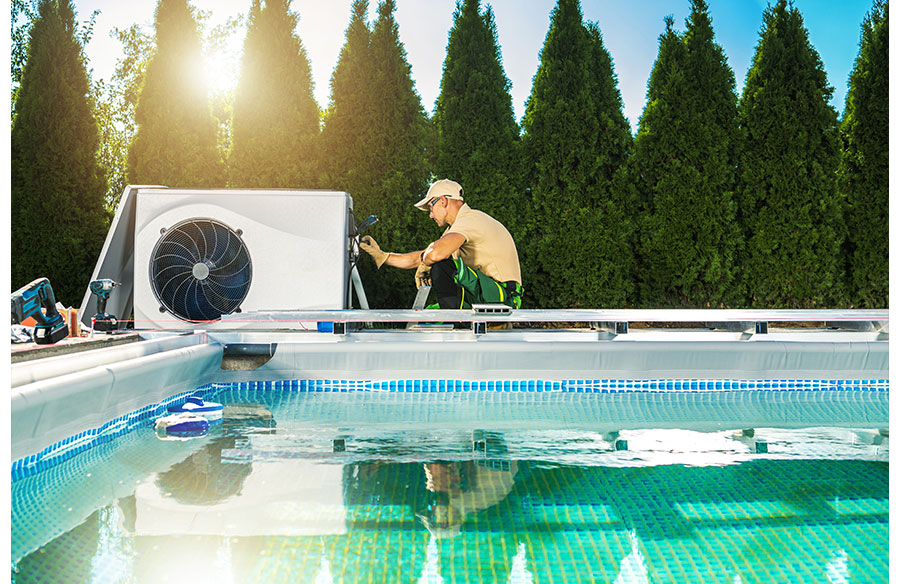
Setting the right temperature for your pool makes a lot of difference in turning an average swim into a perfect one. With a 13000 gallon pool heat pump, selecting the right heat level is not all about comfort; it usually refers to energy consumption, machinery lifespan, and overall enjoyment of swimming. Many pool owners have extremely high-temperature settings when, really, doing so may raise operational costs and lower the efficiency of their heater.
Here in this guide, we’ve explained the best temperature settings for a 13,000-gallon pool, how a swimming pool heat pump works, and how to balance comfort with energy savings. So, it’s time now to reveal the scientific know-how for heating a pool in easy and friendly ways.
Why Temperature Settings Matter More Than You Think
Your swimming pool heater works harder when the water temperature is farthest from the outdoor air temperature. And pool energy studies show that even a small change in this respect can raise energy consumption as much as 10% with just a 2°F change. That’s why proper temperature control is very key to comfort and cost savings.
The water volume, air temperature, humidity, and wind conditions all affect the performance of heating a 13,000-gallon pool. The trick is to keep the water warm enough so that one can enjoy it without making the heater overwork.
Ideal Pool Temperature Ranges (By Use)
Different swimmers like different temperatures. Here’s a rough guide:
- Recreational swimming: 78°F–82°F
- Family pools: 80°F–84°F
- Children and older adults: 82°F–86°F
- Exercise or lap swimming: 77°F–80°F
For most homes, 82°F is considered the sweet spot. That’s warm but supports much longer swimming times with excellent pool heater efficiency.
How Pool Heat Pumps Maintain Water Temperature
There is no production of heat in a swimming pool heater pump; what it does is transfer heat. This is commonly referred to as the heat transfer process. The system draws warmth from the surrounding air and transfers it to the pool water by means of a heat exchanger coil.
Here is how it goes, in some few easy steps:
- Air passes over the heating unit
- Heat is captured and compressed
- Warmth transfers through a pool titanium heat exchanger
- The heated water returns to the pool
Because this process depends upon air temperature, middle settings help keep performance stable at lower consumption of power.
Ideal Temperature for a 13,000 Gallon Pool
For this size pool, experts recommend the following:
- Daytime setting: 80°F–83°F
- Nighttime setback: 2–4°F lower
- Maximum recommended: 86°F
This will keep the temperatures below 86°F and protect the heating element performance, also preventing stress on the internal parts. Higher temperatures increase evaporation, which is responsible for nearly 70% of pool heat loss.
Seasonal Temperature Adjustments
Your pool heating system should change with the season.
Spring and Fall:
- At 82°F, the temperature would be set.
- A pool cover will minimize heat loss.
- More time will be needed to heat with cool air.
Summer:
- Reduce to 78°F–80°F
- Solar energy is instrumental in sustaining heat retention.
- Considerably improves energy efficiency.
Early Morning or Evening Swimming:
- Preheat 3–5 hours ahead of time
- Keep the temperature consistent to prevent reheating expenses.
Water Flow Rate and Circulation Efficiency
Temperature control is not just about the heater; it is also about circulation. The water flow rate must be matched by the capacity of the heater. If the water flows too fast, it will not absorb enough heat; too slow, and it may cause overheating in the system.
An appropriately sized pool circulation pump ensures even heating of the system and does not stress the heat exchanger coil. Balanced circulations improve the thermal conductivity material performance inside the exchanger.
Why Titanium Heat Exchangers Matter
A pool heat pump uses titanium in modern models because it resists corrosion and provides good efficiency in heat transfer. A pool heat exchanger made of titanium provides:
- High resistance to chemical attack
- Excellent thermal conductivity material property
- Equipment has a longer life span
This allows consistent heating even at lower temperature settings that directly improve the pool heater efficiency.
Energy Efficiency: Save Big with Small Changes
Reducing your pool temperature by only 1° F can save 6 to 10% in heating costs per year for a 13,000-gallon pool, which will be really noticeable over one season.
Energy-saving tips:
- Shut your pool cover in the evening.
- High temperatures shock water.
- Keep the filters clean.
- Keep consistent settings
Efficient heat management not only prolongs the life of the swimming pool heat pumps but also economizes the monthly bills.
Common Temperature Setting Mistakes
Avoid these common mistakes:
- The highest temperatures have been proven to be above the normal range of 88°F.
- Nightly complete shutdown of the heater.
- Ignoring the balance of water flow.
- Heating while the wind is blisteringly cold
These errors result in a reduction in pool heater efficiency and further deterioration of the heating element performance.
Final Thoughts: Comfort Meets Smart Heating
The best temperature setting for a 13,000-gallon pool is not the hottest—it’s the smartest. A steady range from 80°F to 83°F creates comfort, safety, and cost control. With proper circulation and quality heat exchange, your pool can be inviting all season long by simply making thoughtful adjustments.
You may completely customize your swimming experience without wasting energy if you understand how these components—pool heat pumps, swimming pool heater pumps, and the heat transfer process—work together. Making wise temperature decisions now will result in even better swims tomorrow.