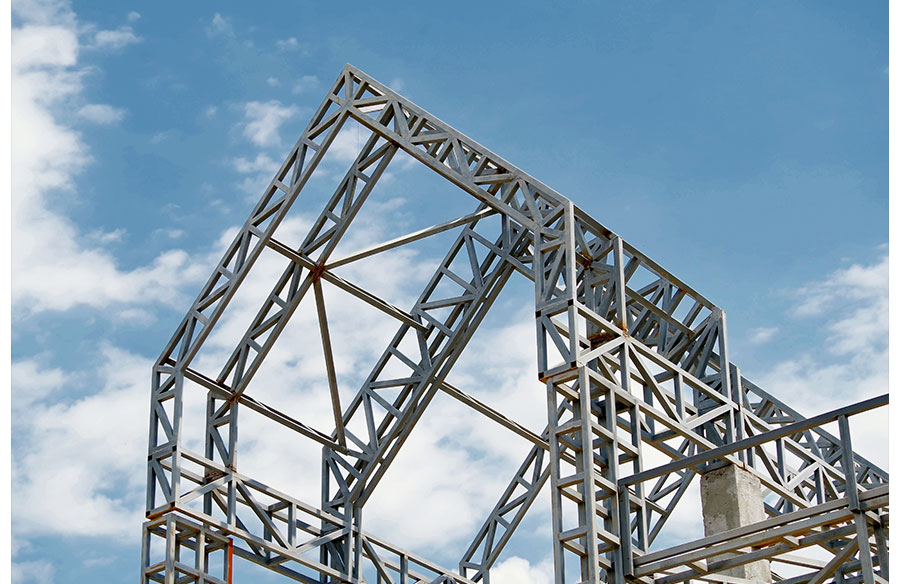
The backbone of modern construction relies heavily on structural steel, but not all steel components are created equal. While mass-produced standard beams and columns form the core of many structures, truly complex, challenging projects often require specialized solutions. This is where custom structural steel fabrication moves beyond standardized methods to deliver bespoke components that meet unique architectural, spatial, or structural demands.
Custom fabrication is the intersection of engineering ingenuity and manufacturing precision, enabling projects that standard materials simply cannot support.
When Standard Won’t Cut It
Custom fabrication becomes essential when a project encounters challenges that fall outside the typical parameters of steel construction. These often include:
- Non-Rectangular Geometries: Iconic or architecturally ambitious buildings often feature complex, curved, or angular designs that require custom-formed and welded steel members. Think of the sweeping roofline of an arena or the helix structure of a modern staircase.
- Unique Load Requirements: Machinery, specialized equipment, or heavy, concentrated loads require custom-designed and over-engineered supports to distribute force safely and effectively.
- Tight Spatial Constraints: Fitting new structures or reinforcing existing ones within historic buildings or densely packed urban environments often necessitates custom-sized members, specialized connection plates, or complex truss designs to navigate obstructions.
- Extreme Environmental Exposure: Structures exposed to corrosive environments, high heat, or unusual seismic activity require custom alloying or specialized fabrication techniques to ensure long-term resilience and safety.
Custom Work
Solving complex challenges through custom fabrication requires a tightly integrated workflow that standard fabrication shops might not offer.
- Collaborative Design and Modeling: The process begins with close collaboration between the engineer, architect, and the custom fabricator. Advanced modeling software, often involving Building Information Modeling (BIM), is used to visualize the component in three dimensions, ensuring every detai is accounted for before cutting begins.
- Specialized Manufacturing Techniques: Custom components often rely on specialized techniques that go beyond standard plasma cutting and welding. These may include:
- Hot Forming: Heating steel to high temperatures to bend and shape thick plates or large beams into complex curves.
- Precision Machining: Using advanced CNC milling and turning to create highly accurate connection points or complex interfaces for mechanical equipment.
- Custom Jigging: Creating temporary frameworks (jigs) in the shop to hold irregularly shaped pieces in perfect alignment while they are being welded and assembled, ensuring dimensional accuracy for site installation.
- Enhanced Quality Assurance (QA): Given the critical and often unique nature of these components, quality control is intensified. This often involves more frequent and stringent Non-Destructive Testing (NDT) of welds and fit-up, ensuring that the finished piece will perform flawlessly under demanding conditions.
Overall, custom structural steel fabrication is a testament to problem-solving. It allows engineers and architects to push the boundaries of design, transforming intricate blueprints into tangible, reliable structures that would otherwise remain conceptual. By offering precision, flexibility, and engineering expertise, custom fabrication ensures that structural confidence is achieved even on the most challenging projects.