Property improvements represent one of the smartest investments Australian homeowners and business owners can make. Whether you’re preparing to sell, expanding your usable space, or simply enhancing day-to-day functionality, strategic upgrades deliver returns that far exceed their initial cost.
The key to maximising value lies in choosing improvements that serve multiple purposes. The best upgrades enhance aesthetics, improve functionality, and increase property value simultaneously.
This guide explores the most impactful property improvements for both commercial and residential spaces across Australia. From interior transformations to outdoor additions, you’ll discover where to focus your renovation budget for maximum return.
Why Strategic Property Upgrades Matter in Today’s Market
Australian property values continue to climb, making every improvement decision increasingly significant. Buyers and tenants have become more discerning, expecting modern finishes and functional outdoor spaces as standard features.
Properties that haven’t been updated struggle to compete in today’s market. Even well-maintained spaces feel dated without periodic improvements to key areas.
The good news is that targeted upgrades don’t require complete renovations. Focusing on high-impact areas delivers impressive results without the disruption and expense of whole-property overhauls.
Interior Upgrades That Transform Commercial Spaces
Commercial properties face unique challenges that residential spaces don’t encounter. High foot traffic, safety regulations, and brand presentation all influence interior design decisions.
Flooring represents one of the most impactful upgrades for any commercial environment. The right flooring solution balances durability, safety, aesthetics, and maintenance requirements in ways that affect daily operations.
Modern commercial spaces demand flooring that withstands heavy use while maintaining visual appeal. Partnering with a reputable commercial flooring company ensures you get materials engineered specifically for high-traffic environments.
Vinyl flooring has emerged as a preferred choice for commercial applications across healthcare, education, retail, and hospitality sectors. Its combination of durability, slip resistance, and design flexibility makes it suitable for virtually any commercial environment.
Key Considerations for Commercial Flooring Selection
Choosing commercial flooring involves more factors than residential projects require. Safety certifications, maintenance protocols, and longevity all impact the total cost of ownership.
Slip resistance ratings matter tremendously in commercial settings. Non-slip flooring reduces accident risks and potential liability issues while creating safer environments for employees and visitors.
Maintenance requirements affect long-term costs significantly. Commercial vinyl flooring offers easy cleaning and minimal upkeep compared to alternatives like carpet or natural stone.
Sustainability credentials increasingly influence purchasing decisions. Eco-responsible flooring options appeal to environmentally conscious businesses and contribute to green building certifications.
Outdoor Additions That Maximise Usable Space
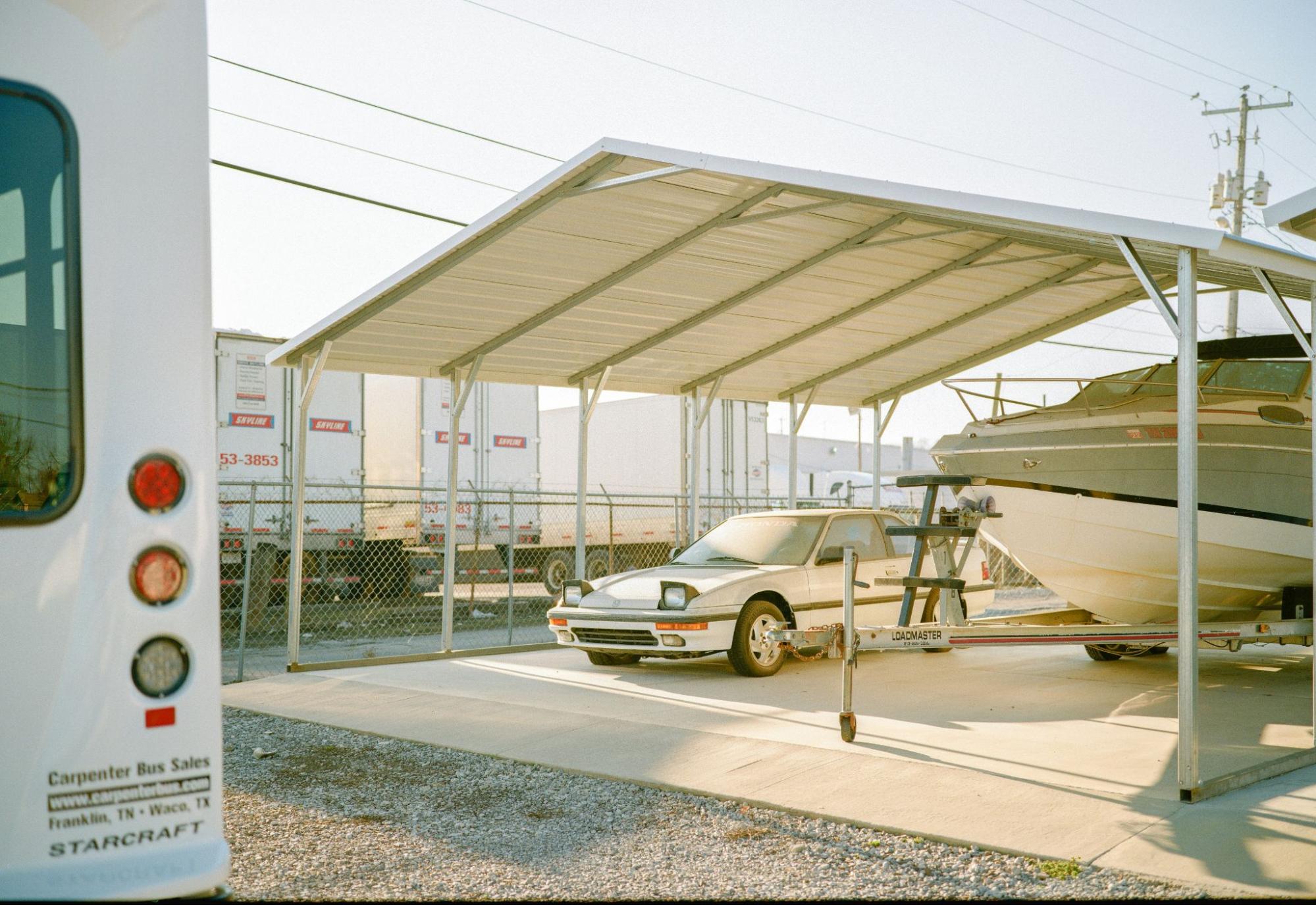 While interior upgrades address functionality and aesthetics inside, outdoor improvements expand your property’s usable footprint. Covered outdoor structures transform underutilised areas into valuable living or working spaces.
Australian weather patterns make covered outdoor areas particularly valuable. Protection from intense sun, sudden rain, and harsh UV exposure extends the usability of outdoor spaces throughout the year.
Vehicle protection represents a practical concern for many property owners. Exposed vehicles suffer paint damage, interior fading, and accelerated wear from constant weather exposure.
Professional builders specialising in carport Melbourne installations deliver custom solutions that complement existing architecture while providing essential protection. Quality construction ensures these structures withstand Australian conditions for decades.
The Value of Professional Outdoor Structure Installation
DIY outdoor projects rarely deliver the results that professional installation achieves. Structural engineering, council permits, and material selection require expertise that most property owners lack.
Licensed builders understand local regulations and building codes intimately. They manage permit applications, engineering certifications, and compliance requirements that would overwhelm most property owners.
Workmanship warranties provide protection that DIY projects simply cannot offer. Reputable builders stand behind their work with guarantees covering structural integrity and finish quality.
Custom design capabilities allow outdoor structures to enhance rather than detract from property aesthetics. Professional designers consider sightlines, proportions, and architectural harmony when planning installations.
Pergolas and Patios: Extending Living Spaces Outdoors
Covered outdoor entertaining areas have become essential features in Australian homes. Buyers expect properties to include functional outdoor living spaces suitable for year-round use.
Pergolas create defined outdoor rooms without completely enclosing the space. They provide partial shade while maintaining a connection to gardens and views beyond.
Patios offer more complete weather protection for outdoor furniture and living areas. Insulated roofing options create comfortable spaces even during temperature extremes.
The investment in quality outdoor structures returns value through enhanced lifestyle and increased property appeal. Buyers consistently rate outdoor entertaining areas among their most desired features.
Coordinating Interior and Exterior Improvements
The most successful property upgrades consider both interior and exterior elements together. Disconnected improvements can create jarring transitions that diminish overall impact.
Colour coordination between interior finishes and outdoor structures creates visual harmony. Materials and tones that complement each other make properties feel cohesive and thoughtfully designed.
Functional flow matters equally. Interior spaces should connect naturally to outdoor areas, creating seamless transitions that expand perceived living space.
Timing renovations strategically minimises disruption and maximises efficiency. Coordinating multiple improvements allows contractors to work efficiently and reduces overall project timelines.
Commercial Properties: Balancing Function and Impression
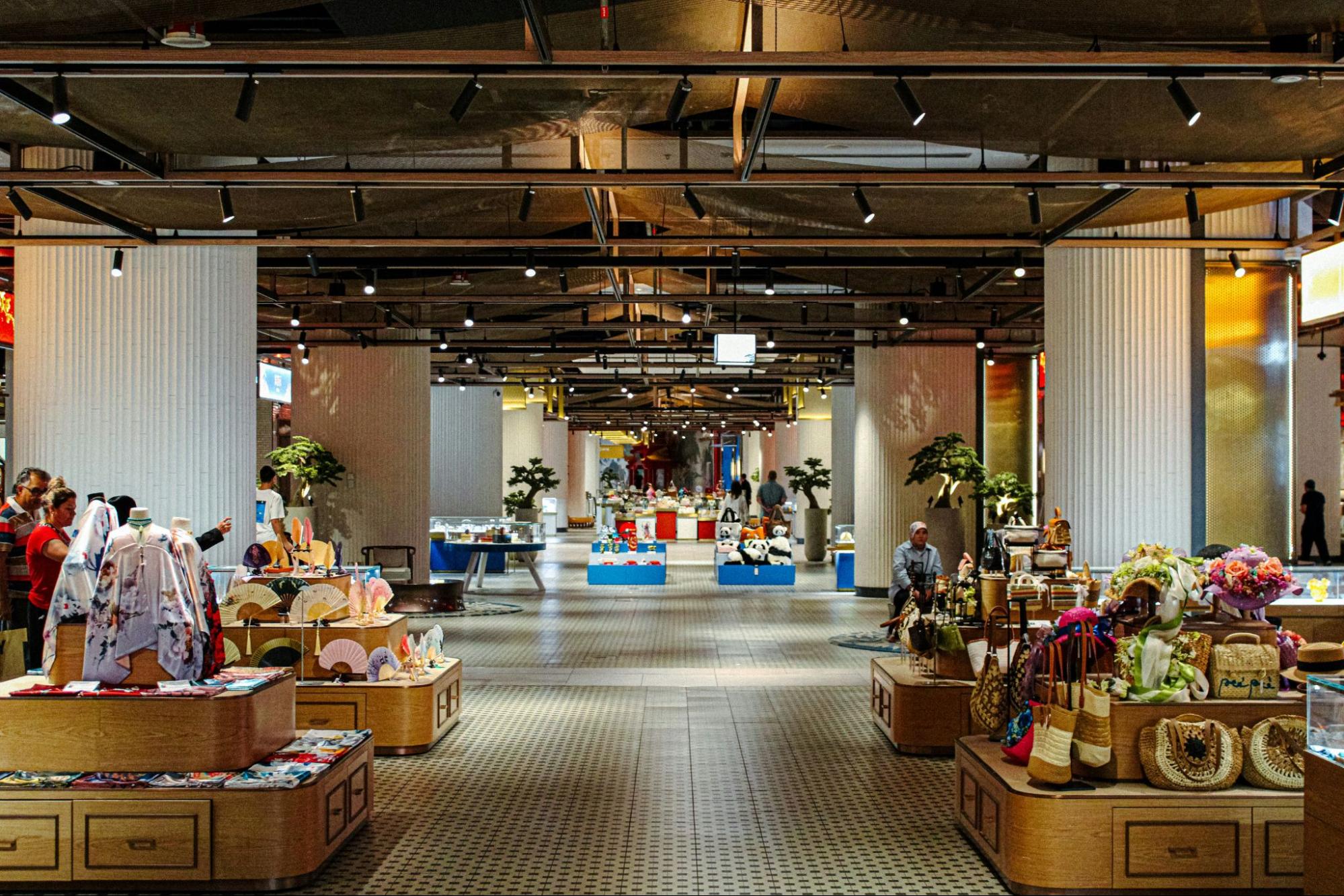 Commercial property upgrades must satisfy both operational requirements and client-facing presentation needs. The challenge lies in finding solutions that excel at both simultaneously.
Reception areas and client-facing spaces deserve premium finishes that create positive first impressions. These high-visibility zones justify investment in quality materials and professional design.
Back-of-house areas prioritise durability and functionality over aesthetics. However, staff morale improves in well-designed environments, making these spaces worth thoughtful attention.
External areas, including parking and building approaches, influence client perceptions before they enter your premises. Covered walkways and protected parking areas demonstrate attention to visitor comfort.
Choosing Quality Over False Economy
Budget constraints tempt many property owners toward cheaper alternatives. However, inferior materials and inexperienced contractors often cost more in the long run.
Premium flooring materials last significantly longer than budget options. When calculated per year of service life, quality materials frequently prove more economical than cheaper alternatives requiring earlier replacement.
Professional installation ensures materials perform as intended. Improper installation voids warranties and accelerates wear, negating any savings from DIY approaches.
The frustration of living with substandard improvements outweighs initial cost savings. Property owners consistently report that investing in quality from the start delivers better satisfaction.
Planning Your Property Upgrade Strategy
Successful property improvements begin with clear planning and prioritisation. Understanding your goals helps focus resources on upgrades, delivering maximum impact.
Identify your primary motivation for upgrading. Preparing for sale, improving daily functionality, and addressing maintenance issues each suggest different priorities.
Establish realistic budgets before consulting contractors. Understanding your financial parameters allows professionals to propose appropriate solutions rather than wish-list options.
Gather multiple quotes for major projects. Comparing proposals reveals market pricing and highlights differences in included services and materials.
Working With Specialists Delivers Better Results
Engaging specialists for specific project elements typically outperforms relying on general contractors for everything. Focused expertise translates to better outcomes and fewer complications.
Flooring specialists understand material behaviours, subfloor preparation requirements, and installation techniques that generalists may overlook. Their focused experience prevents common mistakes that compromise results.
Outdoor structure specialists bring engineering knowledge, material expertise, and design capabilities specific to their trade. They anticipate challenges that general builders might miss until problems emerge.
Coordinating multiple specialists requires clear communication and scheduling discipline. However, the superior results justify the additional project management effort.
Maintenance Considerations for Long-Term Value
Property improvements require ongoing maintenance to deliver lasting value. Understanding maintenance requirements before installation prevents unpleasant surprises later.
Commercial flooring maintenance varies significantly between material types. Some options require regular sealing or polishing, while others need only routine cleaning.
Outdoor structures need periodic inspection and maintenance to remain safe and attractive. Quality materials reduce maintenance frequency but don’t eliminate it.
Budgeting for ongoing maintenance ensures your investment continues performing as expected. Neglected improvements deteriorate faster, reducing their effective lifespan and value contribution.
The Return on Investment Equation
Calculating renovation ROI helps justify expenditures and prioritise projects. Some improvements deliver returns exceeding their cost, while others provide value in non-financial ways.
High-traffic flooring in commercial spaces pays for itself through reduced replacement frequency and lower maintenance costs. The calculation becomes clear when comparing total ownership costs.
Outdoor structures increase usable property space without the expense of traditional extensions. The cost per square metre of covered outdoor space significantly undercuts interior construction.
Lifestyle improvements provide value that financial calculations don’t capture. Enhanced daily enjoyment and reduced frustration justify investments that pure ROI analysis might not support.
Taking the First Step
Property improvements can feel overwhelming when viewed as a complete undertaking. Breaking projects into manageable stages makes progress achievable and spreads costs over time.
Start with improvements delivering the highest impact for your specific situation. Addressing obvious deficiencies first creates momentum and visible progress that motivates continued investment.
Consult specialists early in your planning process. Professional insights often reveal options and possibilities that property owners wouldn’t discover independently.
Document your property’s condition before beginning improvements. Before-and-after comparisons demonstrate progress and provide valuable records for future sale or refinancing.
Conclusion
Strategic property upgrades deliver value far beyond their initial investment. Both commercial and residential properties benefit from thoughtful improvements to interior surfaces and outdoor spaces.
The Australian property market rewards owners who maintain and enhance their investments. Properties featuring quality finishes and functional outdoor areas command premium prices and attract quality tenants.
Success requires choosing improvements wisely, engaging qualified professionals, and maintaining completed work properly. Following these principles ensures your property upgrades deliver maximum value for years to come.
Whether you’re upgrading commercial flooring or adding covered outdoor structures, invest in quality and expertise. The difference shows in daily enjoyment and long-term property value alike.