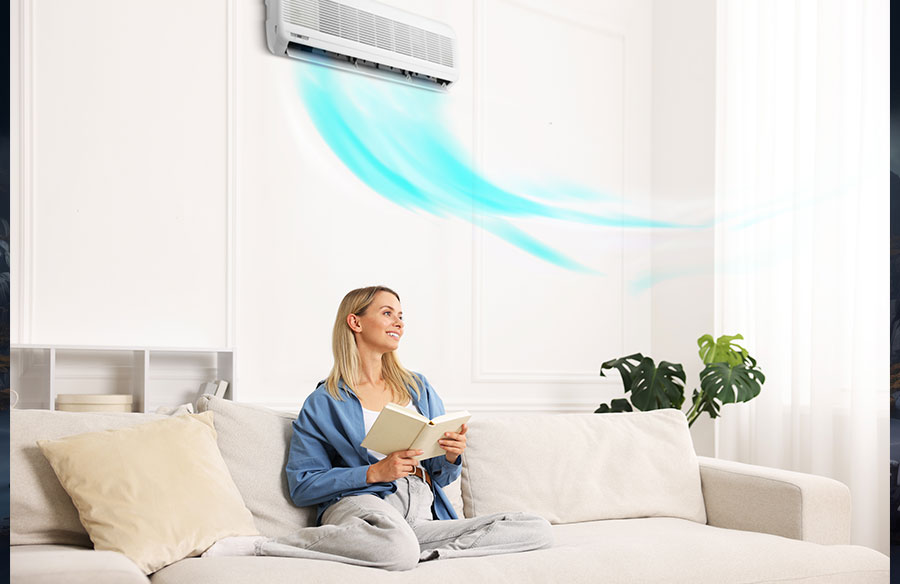
Residential comfort is increasingly defined by how efficiently air moves through interior spaces.
As energy costs climb and climate conditions become more extreme, airflow performance plays a central role in both occupant well-being and long-term energy management.
Inconsistent temperatures, lingering humidity, and rising utility loads are often symptoms of inefficient air distribution rather than insufficient equipment capacity.
Today, airflow efficiency influences not only comfort but also system durability, operational cost, and environmental impact.
Understanding how air circulation performs at a building level allows designers, homeowners, and professionals to make targeted improvements that stabilize indoor conditions while protecting energy budgets.
Why Home Airflow Efficiency Matters More Than Ever
Airflow efficiency determines how evenly heating and cooling are delivered throughout a home. When air encounters resistance within ductwork or escapes through unsealed connections, HVAC systems compensate by operating longer cycles. This added runtime increases energy consumption and accelerates mechanical wear.
Homes with balanced airflow experience more stable indoor temperatures and fewer system cycles. Residential efficiency audits consistently show that leaky or poorly sealed duct systems can lose up to 20 percent of conditioned air before it reaches occupied spaces.
From a building performance standpoint, clear supply and return pathways, properly sealed duct joints, and correctly sized systems ensure thermal comfort without excessive energy demand.
These measures reduce hot and cold zones while supporting predictable operating costs without relying on aggressive thermostat adjustments.
Indicators of Declining HVAC Airflow Performance
Reduced airflow performance often presents through repeatable patterns. Temperature variation between rooms commonly signals blocked returns or compromised duct runs. Gradual increases in energy use can indicate air leakage into unconditioned spaces such as attics or crawlspaces.
Short cycling is frequently linked to restricted airflow caused by clogged filters or debris on coils, while audible whistling from vents suggests pressure imbalance within the system. Initial assessments typically focus on filter condition, unobstructed vents, and visible duct connections.
Older housing stock is particularly vulnerable due to outdated sealing practices and materials. Addressing airflow inefficiencies at this level often restores comfort and system effectiveness without requiring full equipment replacement.
Targeted Adjustments That Restore Balanced Airflow
Precision improvements to airflow distribution deliver measurable performance gains. Selecting filters appropriate for occupancy levels supports consistent circulation, while correctly sized and positioned returns improve pressure balance throughout the home.
Sealing duct joints with approved materials reduces leakage and ensures conditioned air reaches intended spaces.
Professional evaluations rely on static pressure testing, airflow measurement, and leakage analysis to identify exact points of restriction.
When specialists such as Precision Air apply these diagnostics, corrections are based on verified performance data rather than assumptions.
This targeted approach often produces immediate results, including quieter operation, improved humidity control, and reduced system runtime, sometimes noticeable within a single billing cycle. Lower mechanical stress also contributes to extended equipment lifespan and more predictable long-term efficiency.
Maintenance Practices That Preserve Year-Round Comfort
Routine maintenance plays a critical role in sustaining airflow efficiency during periods of peak demand. Seasonal service includes coil cleaning, drain clearing, and system calibration to ensure air moves effectively across heat-exchange surfaces.
Filter replacement schedules should reflect household conditions such as occupancy, pets, and outdoor air quality. Maintaining clear supply and return paths supports pressure balance, while proper insulation minimizes heat gain that can undermine airflow performance.
Homes operating under structured maintenance programs experience fewer unexpected failures and more consistent efficiency outcomes, supporting comfort during both heat waves and cold snaps through preparation rather than reactive repairs.
Planning Upgrades With Airflow Efficiency in Mind
When system upgrades are considered, airflow design often delivers greater returns than equipment changes alone. Duct resizing during renovations aligns air delivery with updated layouts and living patterns.
Zoning systems perform best when underlying ductwork supports balanced distribution rather than relying on dampers to compensate for poor design. Smart thermostats also provide greater value once airflow inconsistencies are resolved, as sensors then reflect accurate room conditions.
By prioritizing improvements based on measured performance gaps and phasing upgrades around budget cycles, homeowners and designers avoid unnecessary spending while achieving meaningful gains in comfort and annual energy efficiency.
Conclusion
Airflow efficiency is a foundational component of residential comfort, energy control, and system longevity. By identifying early performance issues, applying targeted adjustments, and maintaining consistent service practices, homes can achieve stable indoor environments with lower long-term operating costs.
Planning future upgrades around airflow performance—rather than impulse equipment replacement—supports sustainable comfort, improved efficiency, and resilient residential design across changing seasons.