
Moving consistently ranks among the five most stressful life events. Studies show that its emotional impact can rival experiences such as divorce. Through years of helping people navigate relocations, I have seen how even the most resilient individuals can feel unsettled when leaving one home for another.
So what makes moving so difficult? Homes and neighborhoods are not just physical spaces. They hold routines, memories, and relationships that often feel as meaningful as family ties. When those anchors shift, a wide range of emotions surface. Excitement about what comes next often coexists with grief for what is being left behind. Feelings of sadness and uncertainty are common, and they are not simply distractions. The brain recognizes moving as a major life transition and responds accordingly.
This article explores what happens in the brain during a move and explains how to protect your mental well being throughout the process. You will learn expert supported strategies for managing anxiety and relocation related low mood. With the right approach, it is possible to stay grounded, calm, and emotionally balanced as you settle into a new home.
Why Moving Feels So Overwhelming
 Moving ranks among the most intense stressors in life. Studies show it can be more stressful than divorce or job loss for many Americans. What makes packing up and relocating such an overwhelming experience?
The emotional weight of change
Our homes mean much more than just physical spaces. People build attachments to their houses and communities that rival family bonds in strength. This deep connection, which experts call “place attachment,” creates roots so deep that moving feels like losing a piece of your identity.
The experience feels more like grief than mere inconvenience. A move across town or across the country triggers real mourning for familiar places, daily routines, and relationships. Your brain’s fear center – the amygdala – treats this change as a threat, even when the move brings positive changes.
Why is moving stressful for most people?
The emotional toll is just the beginning. Moving creates a perfect storm of pressures hitting all at once. Since 1967, the Holmes-Rahe Social Readjustment Rating Scale has listed “change in residence” among its top stressors. This high ranking comes from the combined impact of multiple challenges.
To name just one example, see what happens all at once: you face financial pressure from mortgages and deposits, social disruption from leaving your community, lifestyle changes with new routines, plus exhausting physical work. This mix triggers your body’s stress responses – cortisol levels spike, sleep suffers, moods change, and your immune system takes a hit.
The loss of familiar surroundings overloads your brain. We all create mental maps of our environment that give us security and predictability. A new location means these neural pathways must rebuild from scratch, which drains mental energy.
New surroundings bring endless questions that add to these challenges. Will this place ever feel like home? How will I fit in with the neighbors? Can my children adjust well? This background anxiety stays until new routines and connections take shape.
Most people should know that feeling overwhelmed isn’t a sign of weakness – it’s a natural response to one of life’s most demanding changes.
How Moving Affects Your Mental Health
Moving takes a heavy toll on your mental health that goes way beyond temporary stress. Your brain keeps processing the change long after you finish unpacking those boxes.
Anxiety and relocation depression
Many people develop what experts call “relocation depression” – it’s an adjustment disorder that happens when you move. You might feel sad all the time, lose interest in activities you used to enjoy, and feel completely worn out. These feelings can mess with your daily life. Americans rate moving as more stressful than divorce or having children – 45% say it’s their most stressful life event. The numbers tell a stark story: 30% to 50% of people who move end up regretting their decision. This shows just how much moving can shake up your mental health.
Cognitive overload and decision fatigue
Your brain gets overwhelmed by the endless decisions you need to make during a move. You must choose what to keep or throw away and figure out new neighborhoods. Psychologists call this “decision fatigue” – your brain loses its ability to make good choices after too many decisions. So even simple choices become hard to make, and you struggle to focus or solve problems.
Emotional exhaustion and burnout
The mix of physical work and mental pressure leaves you completely drained. Research shows that moving ranks as one of life’s most exhausting experiences. You lift heavy stuff, don’t sleep well, and stay alert about all the details. This drains both your body and mind. The exhaustion stays with you long after moving day because your nervous system still sees the change as a threat.
Children feel these effects deeply. Research shows that even one move between ages 10-15 makes children 41% more likely to get depression as adults. Multiple moves push this risk up to 61%. These numbers show how moving can affect someone’s entire life.
Expert-Backed Strategies to Stay Calm
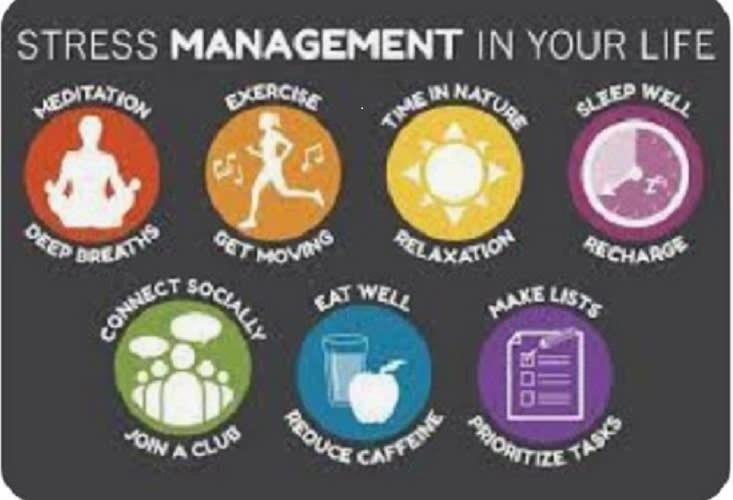 Professionals who handle relocations every day see the mental side of moving just as clearly as the physical one. According to experienced teams at moving companies Fairfax VA, stress rarely comes only from heavy lifting or tight schedules. It builds when people feel rushed, overwhelmed, and unsupported during a major life change.
Drawing on years of hands on experience and informed psychological insight, these experts recommend the following strategies to protect your mental health and help you stay steady and focused throughout the moving process:
- Start early and divide tasks into manageable steps
Stress intensifies when time feels scarce. Beginning preparations early gives your brain room to work without constant urgency. Breaking the process into smaller tasks, such as decluttering one area at a time or packing room by room, reduces decision fatigue and preserves mental energy. - Create a clear moving day checklist
A written plan serves as an external memory system for your brain. Listing tasks, deadlines, and responsibilities prevents mental overload and lowers anxiety. When details live on paper instead of in your head, your mind can focus on coping rather than constant recall. - Use mindfulness and breathing to regulate stress
Simple breathing exercises help calm the nervous system during moments of peak pressure. Slow, deep breaths signal safety to the brain and counter stress responses. Mindfulness practices that focus attention on the present moment also reduce rumination and emotional overwhelm. - Rely on music and familiar scents for grounding
Sound and smell have direct pathways to emotional regulation. Familiar music can stabilize mood and create a sense of continuity during chaos. Calming scents such as lavender or vanilla support relaxation and can quickly shift your emotional state. - Lean on your support network
Social connection plays a critical role in stress resilience. Friends and family offer emotional reassurance, practical help, and perspective during challenging transitions. Asking for support strengthens coping capacity and reduces feelings of isolation during the move.
Rebuilding Stability After the Move
 The real adjustment often begins after the boxes are unpacked. Even once you are physically settled, your brain continues to process the change. Emotional and psychological stability takes time to rebuild, and research shows that a true sense of place attachment can take several years to fully develop. The steps below help support that process and ease the transition into a new environment:
- Establish routines early
Consistent patterns create a sense of safety during periods of change. Simple habits such as regular sleep times, shared meals, or a familiar morning ritual help your brain regain predictability and reduce stress. - Spend time exploring your surroundings
Short walks and gradual exploration help your mind form new mental maps. Visiting nearby parks, shops, and community spaces builds familiarity and strengthens the feeling that this new area is navigable and secure. - Personalize your living space
Familiar objects matter more than perfect organization at first. Photos, artwork, and meaningful items provide emotional comfort and continuity. Keeping furniture arrangements similar to your previous home can also reduce cognitive strain. - Maintain existing relationships
Long term friendships offer emotional grounding during transitions. Regular calls, shared online activities, or planned visits help preserve connection and provide reassurance while new social ties develop. - Seek professional support when needed
If low mood, withdrawal, or persistent distress continue for weeks, professional guidance can help. Relocation places real demands on mental health, and reaching out for support reflects awareness and resilience, not weakness.
When a New Place Starts to Feel Like Home
Moving asks a lot of the mind. It challenges routines, attachments, and the quiet sense of safety built over years. Feeling unsettled during this process does not mean something is wrong. It means your brain is doing the hard work of adapting to change. Stress, fatigue, and emotional swings are signals that adjustment is underway, not signs of failure.
Progress comes through patience and intention. Small actions like establishing routines, staying connected with supportive people, and allowing space for mixed emotions help the nervous system regain balance. Each familiar habit and each positive experience in a new environment teaches the brain that stability is returning.
Relocation is not just a logistical event. It is a psychological transition that deserves care and understanding. When you respect that process and respond with compassion toward yourself, calm slowly replaces overwhelm. In time, the unfamiliar becomes navigable, and the new space begins to hold meaning, comfort, and a renewed sense of belonging.