Mulch is often chosen based on appearance alone, but the material you spread around your lawn plays a much bigger role than many homeowners realize. From soil health and moisture retention to long-term lawn performance, the type of mulch you use can influence how well your landscape holds up over time.
One of the most common questions homeowners face is whether to use organic mulch or dyed mulch—and how that choice fits into decisions about buying bulk mulch versus bagged mulch.
Understanding these differences can help you protect your lawn while also making a smarter investment.
What Organic Mulch Really Is
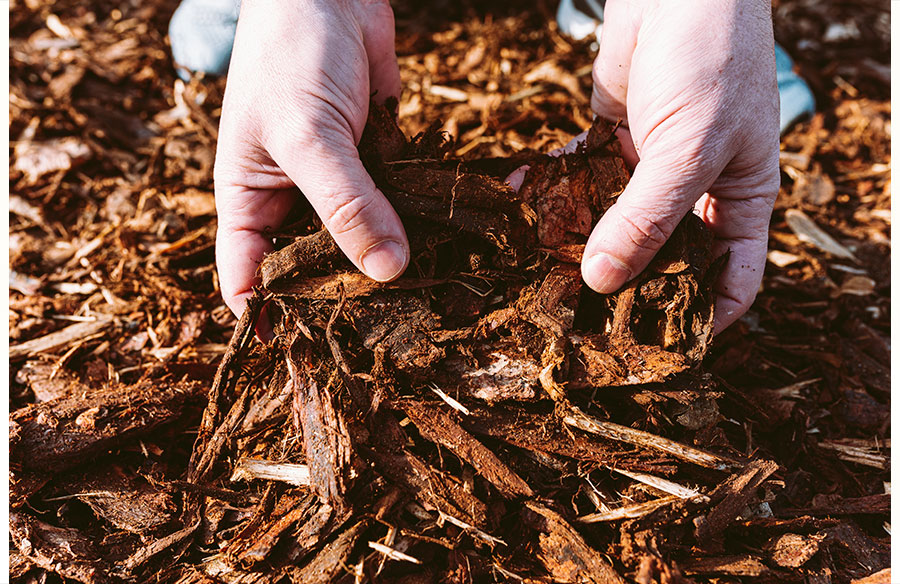
Organic mulch is typically made from natural bark, hardwood, or wood chips that have been processed specifically for landscape use. Over time, it breaks down and becomes part of the soil, adding organic matter and improving overall soil structure.
This gradual decomposition supports beneficial microorganisms, improves water absorption, and helps maintain consistent soil conditions. For lawns, organic mulch creates a healthier transition between turfgrass and landscape beds, reducing stress along edges where problems often begin.
Organic mulch is commonly sold in bulk, which allows homeowners to cover larger areas efficiently and maintain consistent depth across beds.
Understanding Dyed Mulch
Dyed mulch is often produced from recycled wood materials and treated with colorants to achieve a uniform appearance. Black, brown, and red are the most common options, chosen primarily for their visual impact.
While many dyed mulches are considered safe, the base material can vary significantly depending on the supplier. Some dyed mulches break down unevenly, compact more quickly, or contribute less organic matter to the soil compared to natural bark mulch.
From a lawn health perspective, appearance alone doesn’t tell the full story.
Soil Health and Lawn Performance
Healthy soil is the foundation of a healthy lawn. Organic mulch improves soil structure as it decomposes, helping soil retain moisture while still allowing airflow. This creates better conditions for roots near lawn edges and reduces compaction over time.
Dyed mulch, particularly when sourced from mixed or recycled wood, may not provide the same long-term soil benefits. In some cases, it can compact faster, limiting oxygen and water movement in the soil beneath it.
When soil conditions decline, turfgrass often shows signs of stress first—thin growth, discoloration, and increased weed pressure.
Moisture Retention Matters
One of mulch’s most important functions is moisture management. Exposed soil dries out quickly, especially during warmer months. Mulch acts as a protective layer, slowing evaporation and keeping moisture where plant roots can access it.
Organic mulch typically performs better over time because its texture allows water to penetrate easily while still reducing surface evaporation. As it breaks down, it continues to improve moisture retention.
Some dyed mulches can form a crust as they age, especially if applied too thick. This can cause water to run off instead of soaking in, reducing benefits to nearby lawn areas.
Bulk Mulch vs. Bagged Mulch: What’s the Difference?
Beyond material type, homeowners also need to decide how to purchase mulch. The two most common options are bulk mulch and bagged mulch, and the difference is significant.
Bagged mulch is convenient for small projects, but it comes at a premium. The cost includes packaging, transportation, and retail markup. For larger yards or full bed refreshes, bagged mulch becomes expensive quickly.
Bulk mulch is sold by the cubic yard and delivered loose. This approach is typically far more cost-effective for homeowners who need consistent coverage across multiple beds or large areas.
Why Bulk Mulch Is Often the Better Choice
Bulk mulch allows for better quality control and consistency. Because it’s processed and delivered in larger quantities, it’s often fresher and less compacted than mulch that has been sitting in bags for months.
From a lawn care standpoint, bulk mulch also makes it easier to maintain proper depth. Even coverage reduces the risk of thin spots, runoff, or areas where weeds can establish.
For homeowners focused on long-term lawn health, bulk mulch offers better performance at a lower cost per square foot.
The Advantage of Local Mulch Suppliers
Choosing a local mulch supplier often provides advantages beyond price. Local suppliers typically source materials regionally, which means the mulch is better suited to local soil conditions and climate.
Working with a local supplier also reduces transportation time, helping ensure cleaner, more consistent material. Homeowners can often ask questions, confirm material quality, and choose the right mulch for their specific lawn and landscape setup.
In many cases, bulk mulch from a local supplier is a more affordable and reliable alternative to bagged mulch from big-box stores.
Weed Control and Edge Protection
Weeds frequently invade lawns from poorly maintained bed edges. A consistent layer of mulch helps block sunlight from reaching weed seeds, reducing germination before weeds spread into turf.
Organic mulch tends to knit together naturally, forming a breathable barrier that discourages weed growth while still allowing water and air movement. Lower-quality mulch, whether dyed or bagged, may break down unevenly and allow gaps where weeds can establish.
Maintaining clean edges and proper mulch depth plays a major role in keeping lawns healthy and manageable.
Common Mulching Mistakes to Avoid
Regardless of mulch type, improper installation can cause problems. Common mistakes include:
- Applying mulch too thick, which traps excess moisture
- Allowing mulch to spill directly onto turfgrass
- Piling mulch against tree trunks
- Using inconsistent or contaminated material
Keeping mulch at the correct depth—typically 2 to 3 inches—and refreshing it as it decomposes helps protect both soil and lawn health.
Making a Smarter Mulch Decision
Choosing between organic and dyed mulch is about more than color. It’s about how the material interacts with your soil, manages moisture, and supports long-term lawn health.
For homeowners looking to cover larger areas efficiently and economically, bulk mulch sourced from a local supplier is often the best option. It provides better value, improved performance, and a healthier environment for lawns and landscape beds alike.
Mulch may seem like a finishing touch, but when chosen wisely, it becomes one of the most effective tools for protecting your lawn from the ground up.