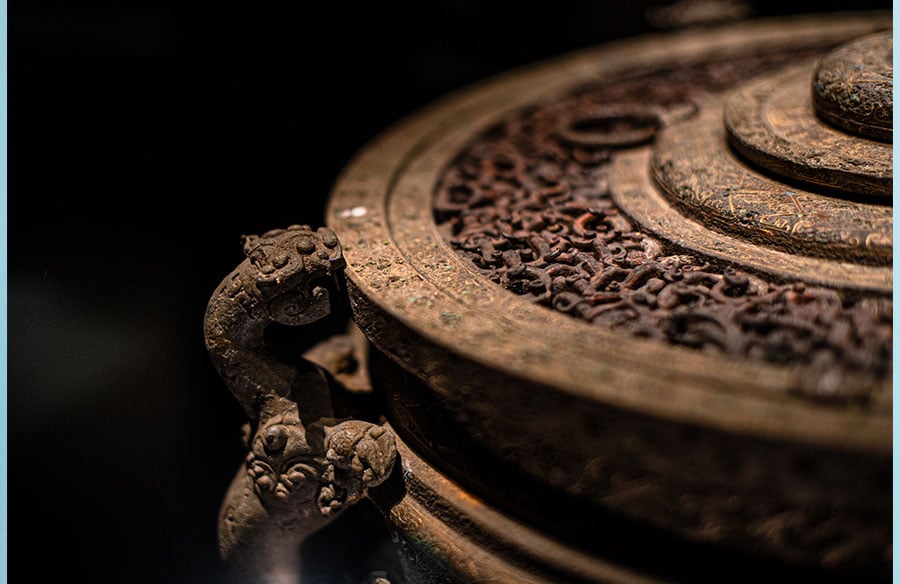
Ancient artifacts often spark curiosity and admiration. Some people see them as rare objects. Others treat them as decorative pieces. However, their meaning runs much deeper. These items carry stories from civilizations that existed long before modern borders or written records.
Ancient cultures, such as Pre-Columbian societies, left behind ceramics, idols, and relics that offer rare insight into how people once lived, believed, and created.
Today, collecting ancient artifacts often feels misunderstood. Ownership can take center stage, while responsibility quietly fades. Yet true collecting is not about possession. It is about care, respect, and continuity. Once an artifact is damaged or lost, it cannot be replaced. That loss affects everyone.
This article explains why responsible collecting focuses on preservation, not ownership, and why that mindset matters for the future.
What Ancient Artifacts Represent Beyond Physical Objects
Ancient artifacts are more than old objects. They are records of human experience. Every mark, material, and shape reflects the beliefs, skills, and daily lives of people who lived centuries ago.
These artifacts help us understand:
- How ancient societies organized their communities
- What materials did they value and why
- How they expressed spirituality and identity
- How craftsmanship evolved over time
Unlike modern items, ancient artifacts cannot be recreated with accuracy. Once they are altered or destroyed, the knowledge they hold disappears forever. Their value does not come from rarity alone. It comes from meaning.
Artifacts also act as cultural bridges. They connect the present with the past in a tangible way. Holding or studying an artifact offers a sense of continuity. It reminds us that human creativity, expression, and ritual have always existed.
Because of this, ancient artifacts belong to shared history. Treating them as mere possessions strips them of their broader significance.
How Responsible Collecting Supports Preservation
Responsible collecting shifts the focus away from ownership and toward stewardship. It means choosing sources that treat ancient artifacts with care, not as casual decorative items. This is where professional sellers play an important role in preservation.
For example, platforms like Relic and Rarity, which curate Pre-Columbian Ceramics, Idols & Relics, focus on providing background details and sourcing information along with the artifacts. This helps collectors understand the cultural value of what they are acquiring, rather than treating it as just another object.
Professional sellers also encourage responsible handling. They guide collectors on basic preservation practices, such as safe storage, limited handling, and maintaining original condition. These steps may seem small, but they make a real difference over time.
Collectors who approach artifacts with this mindset often focus on:
- Keeping items in stable environments
- Avoiding unnecessary movement or display
- Preserving original form and detail
- Respecting historical and cultural context
When artifacts are sourced and handled responsibly, they remain available for learning and appreciation. Instead of isolating history, thoughtful collecting helps protect it and carry it forward.
The Role of Collectors in Protecting Cultural History
Collectors play a unique role in the preservation of ancient artifacts. They act as caretakers rather than owners. This responsibility extends beyond storage or display.
A responsible collector understands that possession is temporary. Artifacts outlast individual lifetimes. Because of this, collectors often think long-term. They consider how items will be preserved, documented, and passed on.
Collectors support cultural protection by:
- Maintaining artifacts in stable conditions
- Seeking expert advice when necessary
- Sharing knowledge through research or exhibitions
- Respecting cultural sensitivity tied to certain items
Many collectors collaborate with historians, archaeologists, or institutions. This collaboration strengthens understanding and ensures artifacts remain valuable educational resources.
Importantly, responsible collectors avoid treating artifacts as status symbols. Instead, they see themselves as part of a larger effort to protect human history.
How Preservation Benefits Future Generations
Preservation ensures that ancient artifacts remain available for learning and discovery. Future generations depend on today’s care decisions.
When artifacts are preserved properly:
- Students gain access to real historical examples
- Researchers uncover new insights over time
- Cultural stories remain accurate and intact
- Societies learn from past traditions and values
Preserved artifacts also allow interpretation to evolve. As technology improves, new analysis methods reveal details once hidden. This ongoing discovery depends on artifacts being protected in their original form.
Preservation also supports cultural respect. Many ancient objects carry spiritual or ceremonial meaning. Protecting them honors the people and cultures that created them.
By focusing on preservation, collectors help ensure that history remains accessible, authentic, and meaningful.
Conclusion
Collecting ancient artifacts is not about ownership. It is about responsibility. These objects carry stories that belong to shared human history. Once lost or damaged, those stories disappear forever.
Responsible collecting prioritizes preservation, ethical care, and long-term protection. Collectors serve as caretakers, not owners. Their choices influence whether cultural knowledge survives or fades.
By protecting ancient artifacts today, collectors help future generations understand the past with clarity and respect. Preservation keeps history alive, not locked away. And in doing so, it ensures that ancient voices continue to be heard.