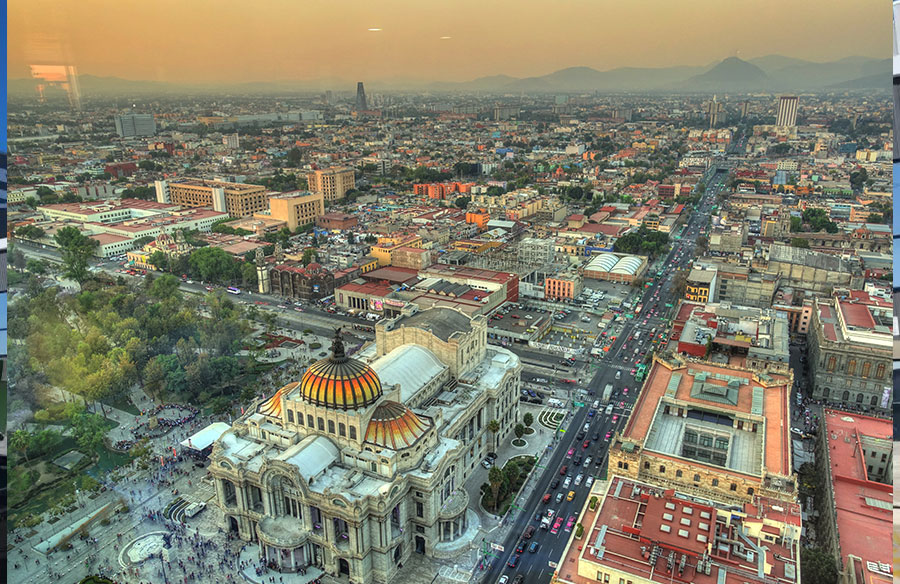
Margaritas and white sand beaches likely come to mind when you think of Mexico, but the country is also recognized for other aspects. The nation’s vibrant capital, Mexico City, offers a unique cultural diversity evident in its architecture, designs, and traditions.
Originally built by the Aztecs in 1325, the city is home to numerous world-class structures spanning every era. From the grandiose Palacio de Bellas Artes to the charming Casa Estudio Luis Barragán, Mexico City features a treasure trove of masterpieces for anyone interested in architecture. Mexico City buildings range from ancient to ultra-modern, showcasing a history of innovative design.
Below is a curated list of famous landmarks and hidden gems that you should know and visit, along with practical tips to make your exploration easier.
Palacio de Bellas Artes
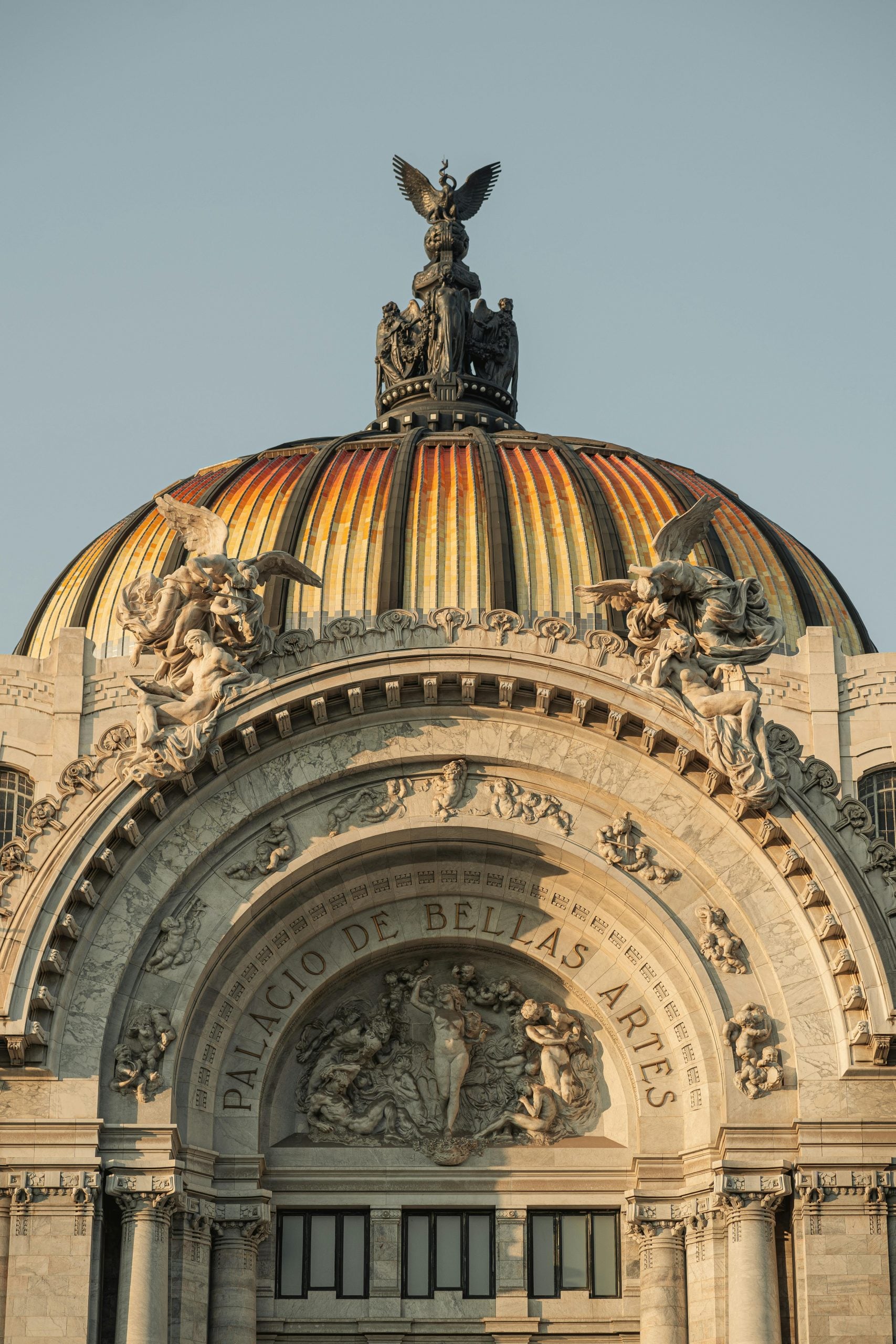 The Palacio de Bellas Artes, also known as the Palace of Fine Arts, is one of the most stunning buildings in Mexico. It features a mix of Art Deco and Art Nouveau styles as well as pre-Hispanic motifs. The history of its construction spans two significant periods in the country’s history, including the Porfirio Díaz regime and the Mexican Revolution.
The architecture is stunning from the outside, and inside you’ll find incredible murals and cultural exhibitions. The plaza in front is lively with people, music, and street performers, making it a fun place to sit and enjoy the atmosphere. It’s a must-visit spot for photos, art, and history.
Metropolitan Cathedral
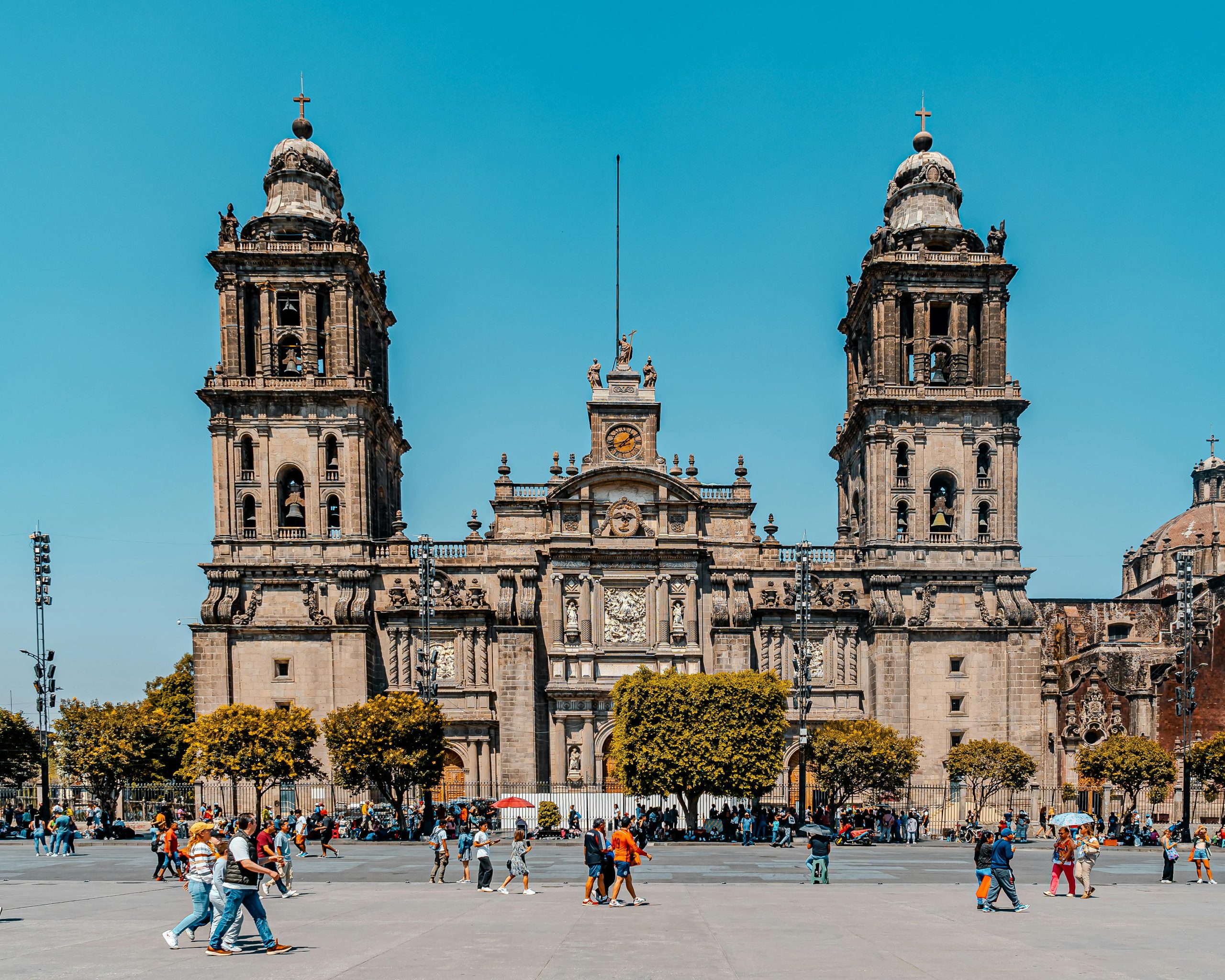 The Metropolitan Cathedral is the largest and oldest cathedral in Latin America. It frames the north side of the Capital Zócalo and is the most representative monument of the Historic Center of Mexico City. The cathedral was constructed between 1537 and 1813 – that’s over 250 years!
The construction had many influences over time, including work from a variety of sculptors, architects, and painters using a diverse array of architectural styles. The massive building is over 124m long and 60m wide, featuring Gothic, Neoclassical, and Mexican Baroque styles, and shows Churrigueresque and Plateresque style influences.
Casa Luis Barragán
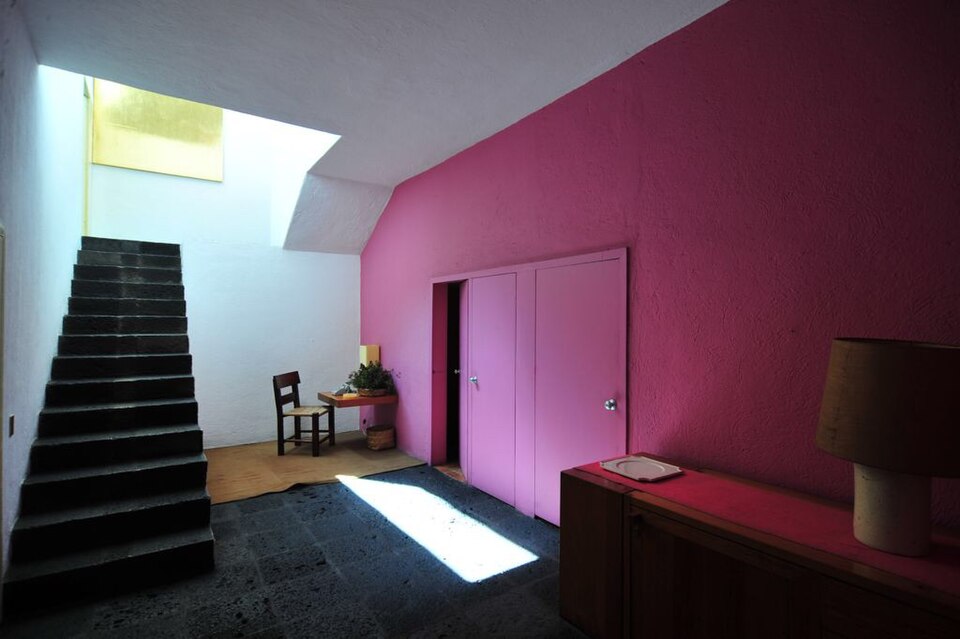 Casa Luis Barragán is modern architecture at its finest. It belonged to the former renowned Mexican architect, Luis Barragán, and was built in 1948. Its design is a mix of minimalism and vibrant colours, paired with typical Mexican elements and, of course, lots of natural light.
The concrete building, totalling 1,161 square metres, consists of a ground floor, two upper storeys, and a small private garden. There’s a definite focus on the design’s spatial harmony, serenity, and it’s an ideal space for an emotional experience. Casa Luis Barragán is a UNESCO World Heritage Site and a testament to an innovative approach to architecture. The house is a must-see, but you must book in advance.
Museo Soumaya
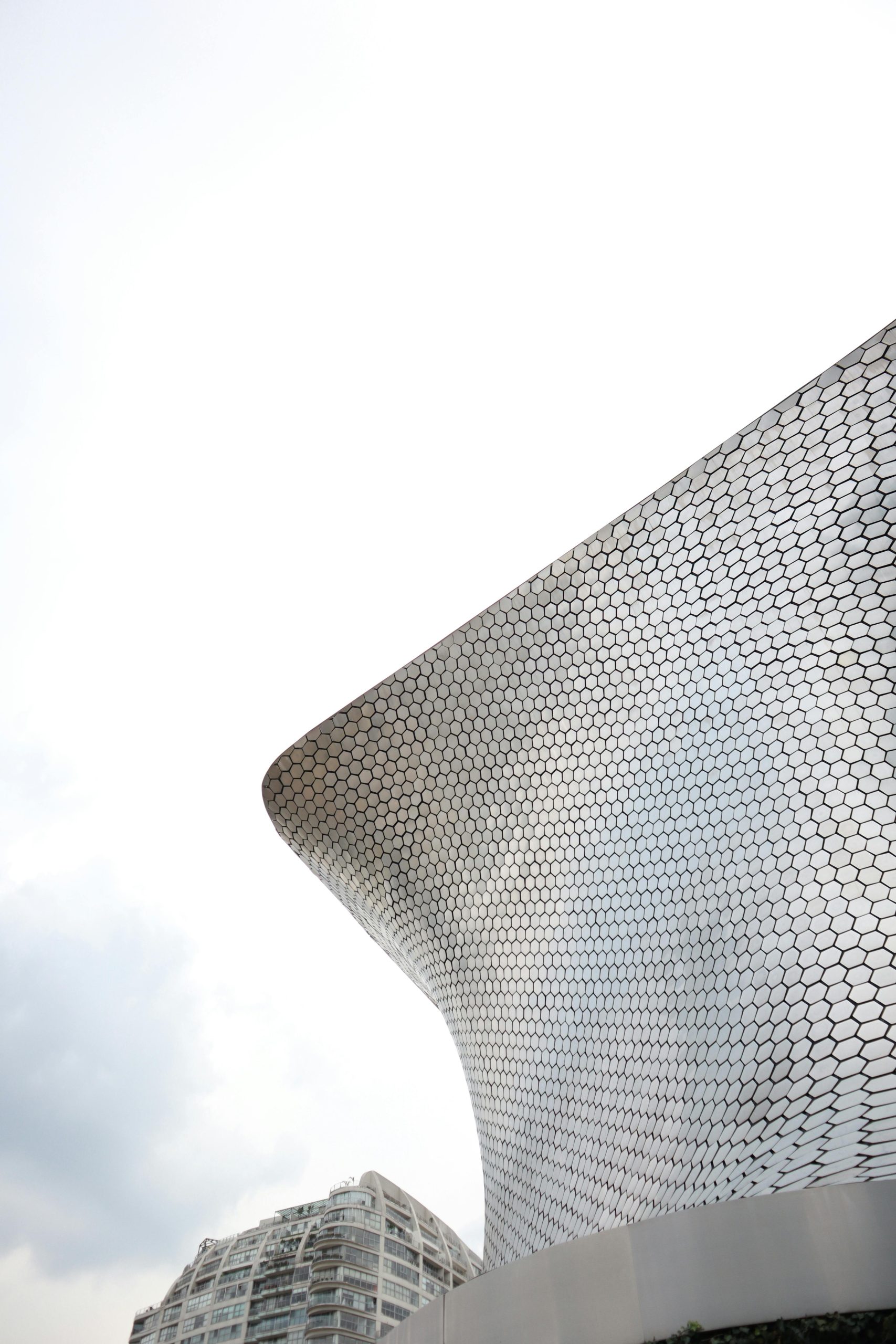 If you are looking for bold and modern, the museum will not disappoint. The building curves skyward, covered in thousands of reflective tiles that change with the light. Inside, a spiral path leads through collections of Mexican and international art, including Rodin sculptures, Dalí paintings, and works by Mexican masters. You can spend hours here or walk quickly from floor to floor. Either way, the building is unforgettable and deserves your attention.
UNAM Central Campus
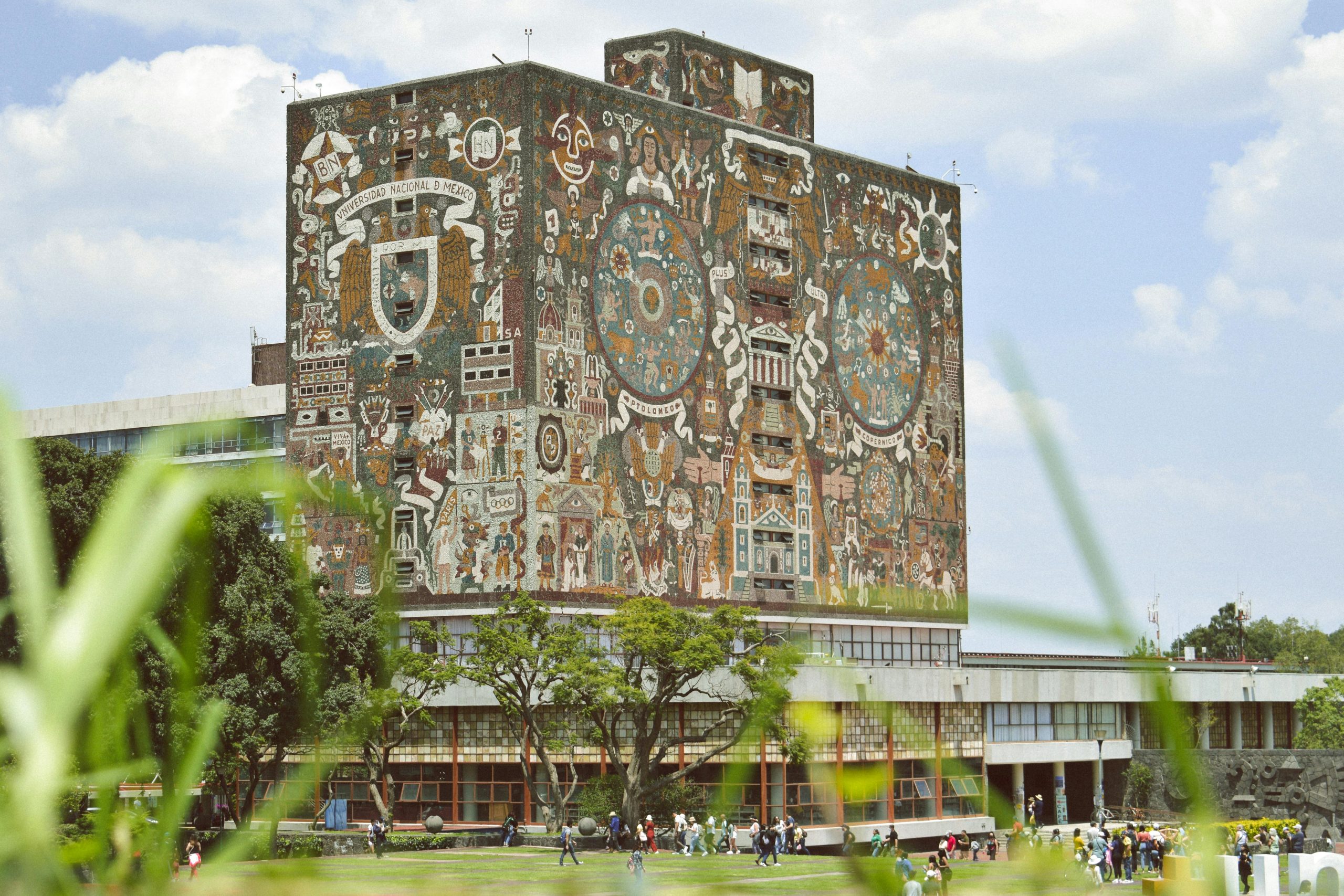 This sprawling university campus is a mix of open space, art, and architecture. Buildings with clean lines sit next to massive murals by O’Gorman and Rivera, turning walls into story-filled canvases. Students move around freely, and you are welcome to walk among them. It feels less like a tourist site and more like participating in city life. Wide lawns shaded by trees provide a break from the busy streets and give time to pause and take in the scale of the campus.
Chapultepec Castle
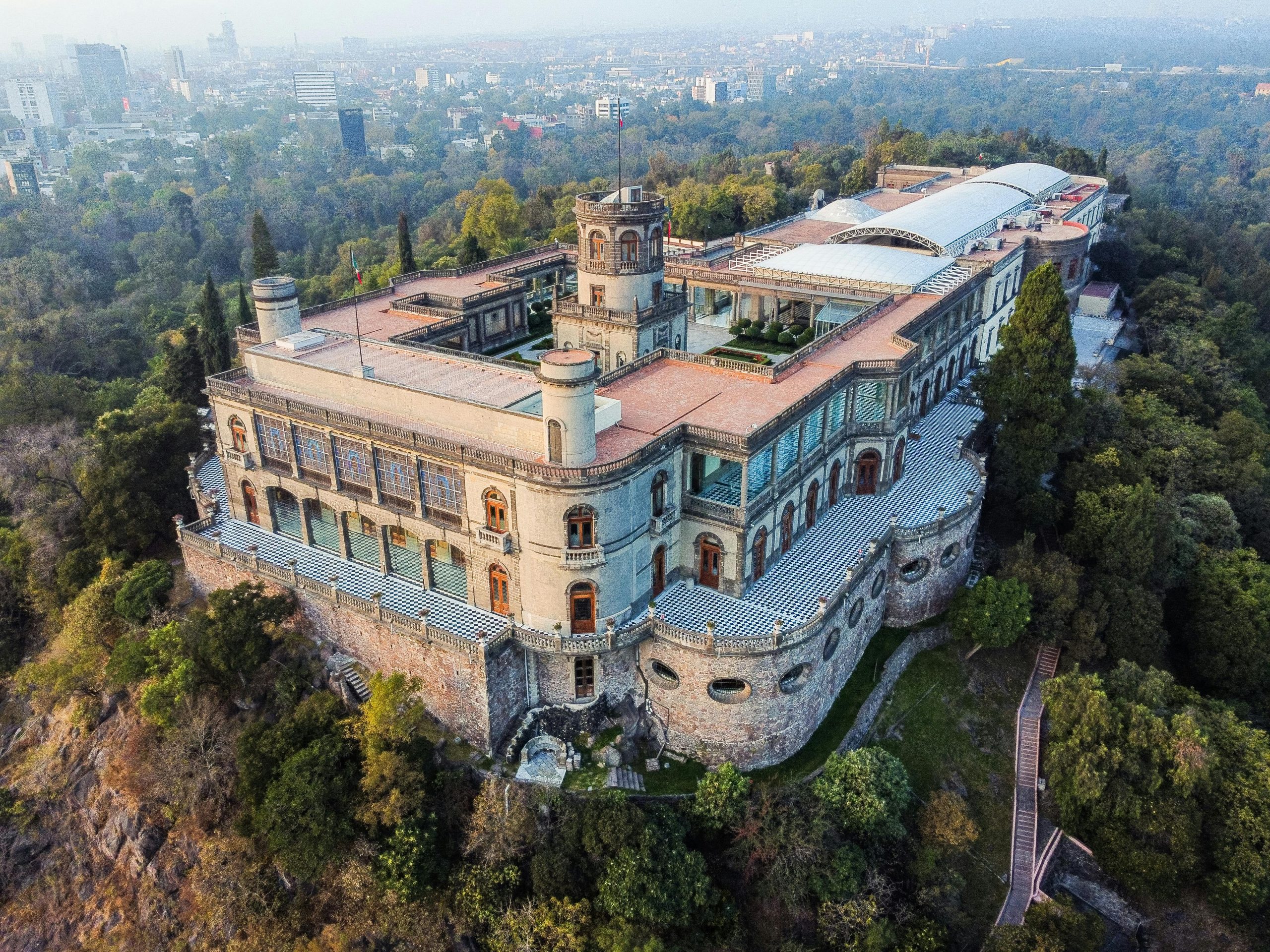 High above the city on Chapultepec Hill, the castle offers views that stretch across Mexico City. Inside, polished rooms display European influence, while gardens and terraces allow quiet moments to take in the city below. It is the only royal castle in North America, and visiting it is a chance to see history and design in one place. You can spend time wandering the interiors, then step outside for a view that makes you forget the crowds and the traffic far below.
Hidden Gems and Lesser-Known Architecture
Once the main sites are behind you, it is time to explore smaller streets and hidden buildings. These are the places you discover when you wander and take your eyes off the guidebook.
Casa Gilardi
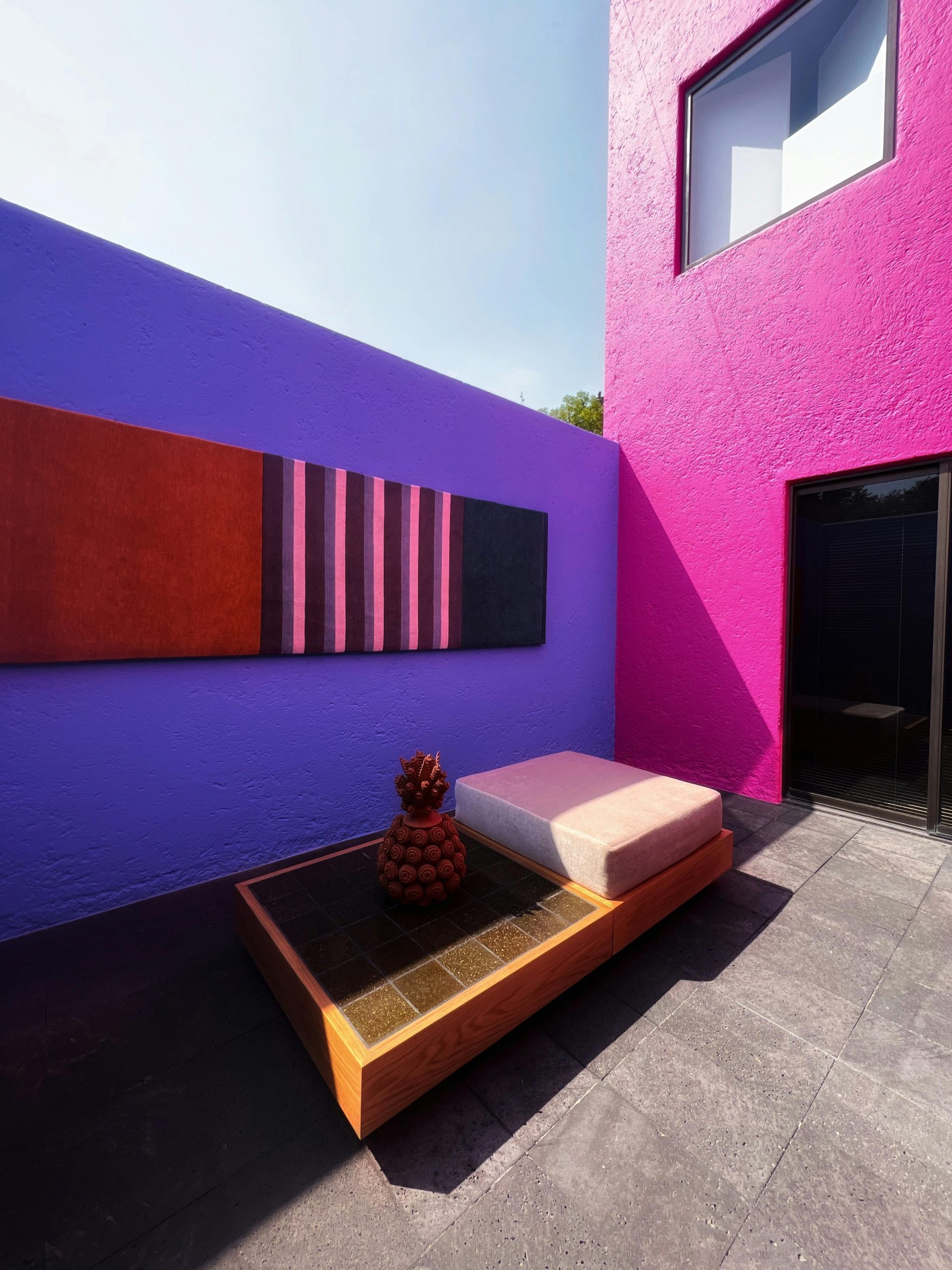 This house is small from the outside but unforgettable inside. A pool slices through the dining area, creating a moment of surprise and delight. Light and color shift throughout the day, so the mood inside changes constantly. It is intimate, personal and unlike any other place you will visit. Walking through it is more than a tour – it is an experience.
Casa Pedregal
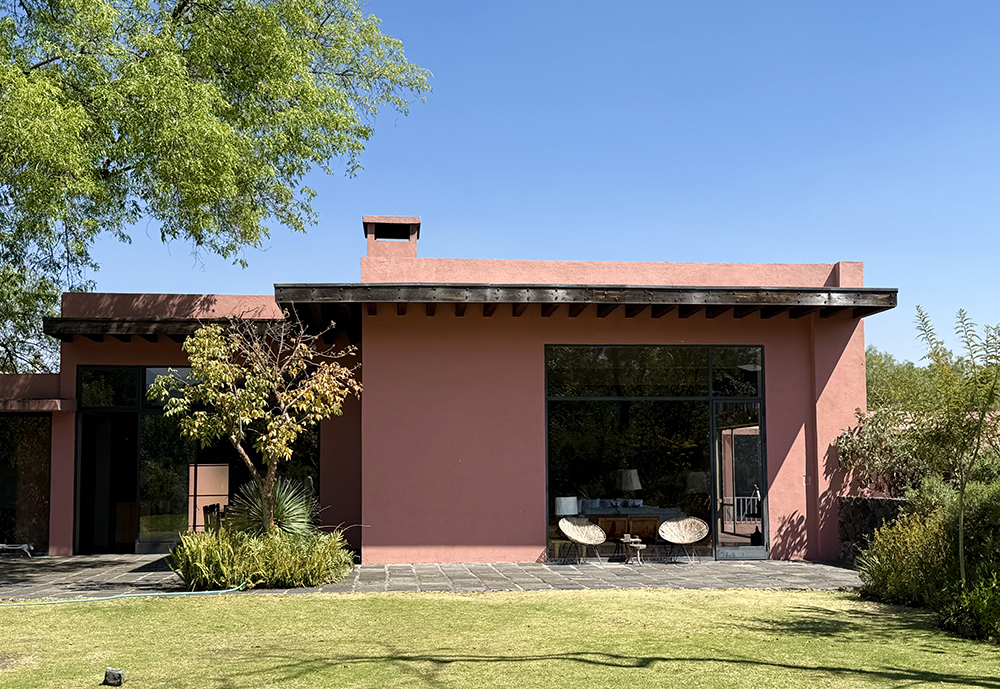 Here, architecture meets nature. Volcanic stone from the land itself forms walls and foundations, while geometric shapes create modernist forms that sit comfortably in the rough landscape. Light softens edges, and every corner feels grounded. You can see how the house grows out of the land rather than sitting on it, and understand why people call it a masterpiece of design.
Art Deco in Colonia Juárez
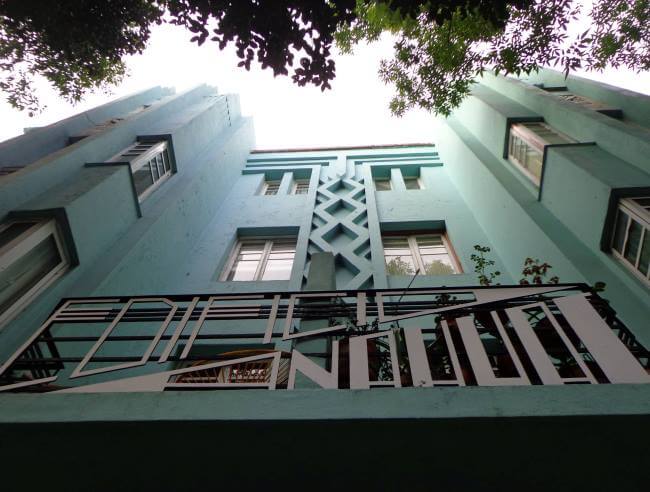 Walking through Juárez, you might notice the details before you notice the street name. Curves on windows, patterned doorways, and elegant facades appear block after block. Apartments and houses feel like snapshots from another era. You do not need a strict plan here. The joy is in wandering, letting your eyes follow lines and shadows while imagining the city as it was in the early twentieth century.
Contemporary Architecture in Condesa and Roma
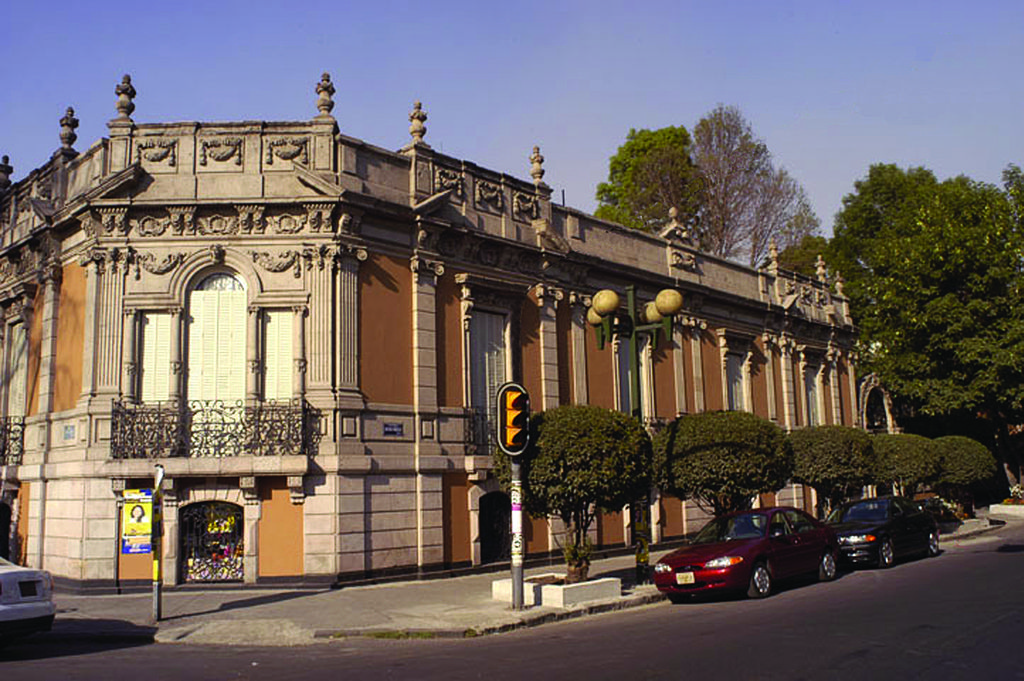 Roma and Condesa are a mix of old and new. Restored homes sit beside sleek modern buildings. Streets are lined with trees, and small studios hide behind gates and leafy entrances. Cafes spill onto sidewalks, and there is always something to watch or notice. You may start your walk for the architecture, but stay for the atmosphere. Every corner reveals the city reinventing itself.
Suggested Itineraries
You can cover a lot if you plan nearby stops together and pace yourself.
One Day Itinerary
- Morning: Begin in the historic center. Start with the Cathedral and then walk to Bellas Artes, enjoying the morning light.
- Afternoon: Head north to Museo Soumaya. Explore the interior or admire the reflective exterior while taking photographs.
- Evening: Climb or ride up to Chapultepec Castle before sunset. Spend time on terraces taking in views across the city.
Two-Day Itinerary
- Day One: Follow the one-day plan at a slower pace. Include UNAM later in the day for a peaceful stroll among murals and lawns.
- Day Two: Start with Casa Luis Barragán or Casa Gilardi, depending on reservations. Spend the afternoon wandering Roma Condesa and Juárez. You will find small surprises in each block.
Travel Tips Before Exploring Mexico City
You can get around using the Metro. It covers long distances quickly. Ride-sharing apps work for direct trips, and most neighborhoods are easy to explore on foot. For a place to stay, check out the Centro Histórico. It keeps you close to major landmarks. Roma Condesa and San Ángel are also quieter and have tree-lined streets and cafés.
To stay safe, stick to busy streets at night. Keep valuables secure and call rides with apps rather than hailing cabs. Some sites have short visiting windows, and private homes require reservations. Check ahead. The exploration of famous architecture in Mexico often requires planning ahead, especially for private residences.
Maps, tickets, translations, and transport information are essential. Ensure you stay connected using an eSIM for Mexico. It makes staying online effortless, and you can activate it before flying or as soon as you land to skip SIM swaps and enjoy seamless navigation.
Final Thoughts
Mexico City rewards curiosity and wandering. Mix famous landmarks with quiet streets. Move between neighborhoods without hurrying. Take time to notice small details indoors, windows, walls, and courtyards. Between grand historic halls, intimate houses, and modern sculptural buildings, every corner has a story, and every street offers something to surprise you. Allow yourself to look longer, pause often, and enjoy the city in its own rhythm.
FAQs About Mexico City Architecture
What Architectural Styles Can You Find In Mexico City?
You will see Aztec ruins, Spanish colonial buildings, Baroque churches, Neoclassical facades, Art Deco apartments, mid-century modern homes, and daring contemporary structures. Walking the streets is like passing through a living timeline of Mexican design.
Which Architectural Landmark Is Considered The Most Iconic?
Palacio de Bellas Artes often tops the list for its marble exterior and luminous Art Nouveau interior. Other landmarks include the Metropolitan Cathedral, Casa Luis Barragán, and UNAM Central Campus.
Is It Worth Visiting Casa Luis Barragán?
Definitely. It offers a unique experience of light color and minimalist forms. Each room encourages slow observation and reflection. Tickets fill fast, so plan ahead.
What Makes Mexican Architecture Unique?
Mexican architecture balances color, geometry, material, and place. It blends indigenous and colonial influences with modernist ideas, creating spaces that feel alive, emotional, and human.