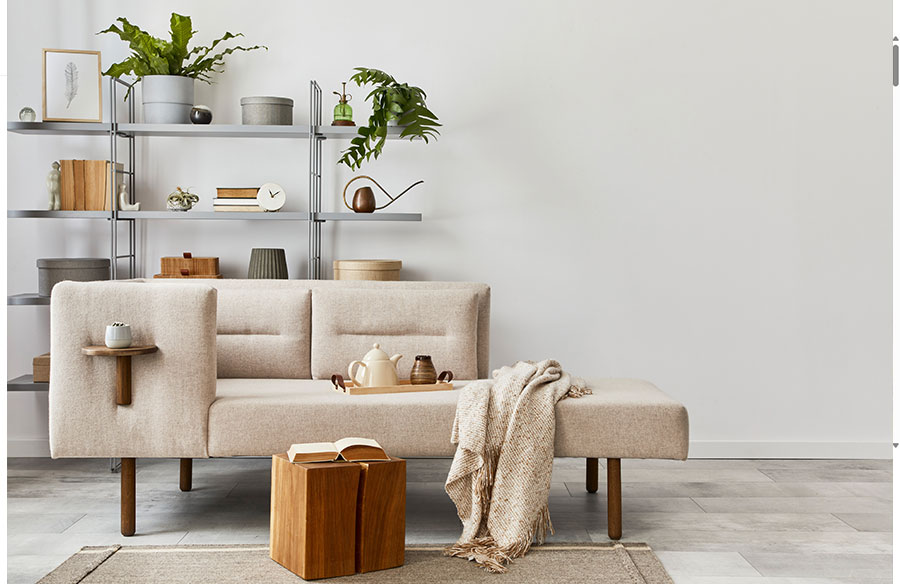
As urban centres evolve and living spaces become increasingly compact, the way we design our homes is being redefined. Modern living now prioritises flexibility, sustainability, and thoughtful spatial planning — and nowhere is this shift more evident than in the rising demand for multifunctional furniture. The traditional separation between “daytime spaces” and “night-time spaces” is disappearing, paving the way for adaptable interiors that work harder, smarter, and more beautifully.
One piece of furniture has emerged as a quiet hero in this transformation: the modern sofa bed. Far from the clunky, heavy, uncomfortable designs of the past, today’s sofa beds are engineered with architectural precision and design intelligence. Among the most notable examples is the Koala Sofa Bed in UK, which embodies the principles of contemporary living by blending comfort, efficiency, and minimalist aesthetic appeal.
Below, we explore why multifunctional furniture is shaping the future of interior design — and how sofa beds have become an essential component of modern residential architecture.
1. Small Footprints Require Smarter Design
Cities across the world, including major UK hubs, are experiencing densification. Smaller apartments, micro-lofts, heritage conversions, and co-living spaces demand an entirely new approach to spatial layout. In these environments, every square metre matters.
This shift has driven homeowners, designers, and architects to rethink how furniture interacts with space.
Why multifunctional furniture matters in compact spaces:
- It reduces the need for redundant pieces
- It maximises vertical and horizontal space
- It allows rooms to evolve throughout the day
- It supports a lifestyle that embraces minimalism and efficiency
- It removes visual clutter and enhances spatial clarity
Sofa beds, in particular, allow a single room to serve multiple purposes — living, sleeping, hosting, relaxing — without sacrificing aesthetic harmony.
2. The Rise of “Transformative Interiors”
As people increasingly work from home, host guests, and prioritise wellness, the demand for adaptive interiors is surging. Transformative design — interiors that shift, adapt, and morph depending on use — is now a defining feature of future-forward architecture.
Modern sofa beds fit seamlessly within this concept. They provide:
- A living room by day
- A comfortable sleep space by night
- A guest room without a dedicated footprint
- A flexible layout that supports evolving needs
This adaptability is at the core of rethinking domestic architecture in the 21st century.
3. Comfort Is No Longer Optional — It’s Essential
Older sofa beds were notorious for their compromises: thin mattresses, metal bars, awkward folding mechanisms. Today’s designs prove that comfort and functionality can coexist without trade-offs.
Innovative sofa beds now offer:
- Supportive memory foam or hybrid mattresses
- Sturdy construction designed for everyday use
- Ergonomic seating depth
- Streamlined folding mechanisms
- Noise-free transitions between sofa and bed mode
The Koala model exemplifies this shift, providing genuine mattress-level comfort, making it suitable not just as a guest bed but as an everyday sleeping solution.
4. Aesthetic Minimalism Still Leads the Way
Contemporary design — especially within UK city apartments — favours clean lines, soft edges, and calming palettes. Multifunctional furniture must blend into this vision rather than dominate it.
Today’s high-quality sofa beds emphasise:
- Neutral tones for easy pairing
- Sculptural yet subtle forms
- Sustainable materials
- Soft, textured upholstery
- A balanced profile that complements architectural interiors
Minimalism isn’t about owning less — it’s about owning better. Furniture must earn its place, both visually and functionally.
5. Sustainability Is Reshaping Furniture Choices
Environmentally conscious design is no longer a niche concern. Consumers want durable, responsibly sourced pieces that minimise waste and maximise longevity.
Key sustainability features now influencing buyers include:
- FSC-certified timber
- Recycled or low-impact fabrics
- Modular construction that reduces landfill waste
- Repair-friendly, tool-free assembly
- Packaging that avoids plastics
- Long-term durability to reduce replacement cycles
Sofa beds that incorporate sustainable design principles not only support greener living but reflect the values of modern homeowners.
6. The Guest Room Is Evolving — And Often Disappearing
In many urban homes, the guest room has become a luxury few can afford. Instead, adaptable living rooms and hybrid spaces are taking its place.
A well-designed sofa bed enables:
- Occasional guest accommodation
- Airbnb-style hosting
- A warm, functional sleep environment in any room
- Multi-use studios and home offices
- Smart zoning without permanent construction
This aligns with the direction of modern housing: flexible, fluid, and future-ready.
7. The Psychological Value of a Well-Designed Space
Spatial design has a profound impact on wellbeing. Cluttered rooms increase stress, while intentionally designed spaces promote calm, productivity, and comfort.
Multifunctional furniture allows people to:
- Maintain visual order
- Reduce overcrowding
- Create breathing room
- Enhance natural light flow
- Foster a sense of openness
A sofa bed that blends seamlessly into the architecture allows the home to feel bigger, lighter, and more supportive of daily life.
8. Furniture That Keeps Up With Modern Living
The most compelling design innovations are those that respond to real human needs. Modern living is fast-paced, multi-layered, and ever-changing — and our homes must adapt accordingly.
A high-quality sofa bed supports:
- Remote work
- Hosting guests
- Household flexibility
- Minimalist living
- Apartment-friendly comfort
- Long-term durability
- Sustainable choices
It’s a reflection of the philosophy behind future-focused interiors: smarter, not larger; purposeful, not excessive.
Conclusion: Multifunctionality Is the Future of Home Design
The evolution of modern homes — smaller, smarter, more intentional — calls for furniture that enhances both function and beauty. As urban living continues to reshape interior design across the UK, multifunctional pieces like the Koala Sofa Bed in UK become essential tools for creating spaces that feel generous, adaptable, and contemporary.
It’s not just furniture — it’s a design strategy.
One that aligns with the way we live now and the way we will live tomorrow.