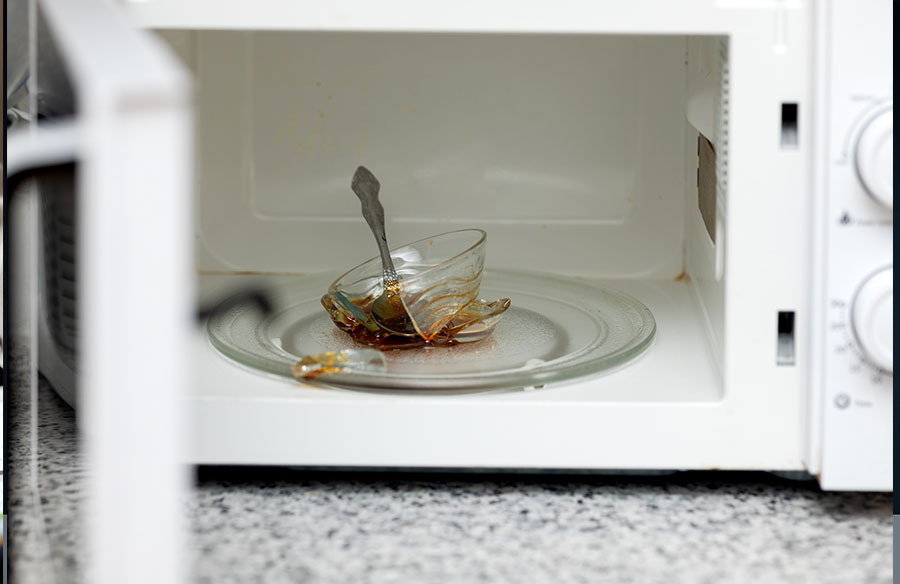
The microwave oven has become an indispensable appliance in modern kitchens, offering convenience and speed that few other cooking methods can match. Since its accidental discovery in 1945 by engineer Percy Spencer, the microwave has revolutionized how we prepare and reheat food. However, this powerful appliance comes with important safety considerations that every user should understand. While microwaves are generally safe when used correctly, certain materials and foods can create dangerous situations, from fire hazards to toxic fumes and even explosions. Understanding what should never enter your microwave is essential knowledge for anyone who uses this common kitchen tool.
Aluminum Foil and Metal Objects
Perhaps the most well-known microwave prohibition involves aluminum foil and other metal objects. The reason for this restriction lies in how microwaves actually work. Microwave ovens produce electromagnetic radiation that causes water molecules in food to vibrate, generating heat. When these electromagnetic waves encounter metal, something entirely different happens. Metals contain free-moving electrons that become agitated by the microwave energy, causing electrical currents to flow through the metal surface.
Why Metal Creates Sparks
When aluminum foil or other thin metals are placed in a microwave, the electrical currents can cause the metal to heat rapidly and unevenly. Sharp edges and points, which are common on crumpled foil, concentrate these electrical charges. This concentration creates a phenomenon called arcing, which appears as bright sparks jumping from the metal. These sparks can reach extremely high temperatures, potentially igniting nearby materials such as paper towels, food packaging, or even the food itself.
The danger extends beyond immediate fire risk. Arcing can damage the interior walls of your microwave, potentially destroying the appliance entirely. In severe cases, the sparks can damage the magnetron, which is the component that generates the microwaves. Replacing a magnetron is often more expensive than purchasing a new microwave altogether. Additionally, if sparks ignite materials inside the microwave, the resulting fire can spread quickly, especially if the appliance is located near cabinets or other flammable surfaces.
Plastic Containers Without Microwave-Safe Labels
Many people assume that any plastic container is suitable for microwave use, but this assumption can lead to serious health concerns. Not all plastics are created equal, and many contain chemicals that can leach into food when heated. The primary concerns involve substances like bisphenol A, commonly known as BPA, and phthalates, which are used to make plastics more flexible.
Health Implications of Heating Unsafe Plastics
When non-microwave-safe plastics are heated, they can release these chemicals directly into your food. Research has linked BPA and phthalates to various health issues, including hormonal disruptions, developmental problems, and potential increased cancer risk. Even plastics that appear sturdy at room temperature may warp, melt, or degrade when exposed to microwave energy, contaminating your meal with both visible plastic residue and invisible chemical compounds.
To protect yourself, always look for containers specifically labeled as microwave-safe. These products have been tested to withstand microwave heating without releasing harmful substances or deforming. When in doubt, transfer food to glass or ceramic containers before microwaving. Never microwave food in takeout containers, margarine tubs, or other containers not designed for high-heat applications.
Eggs in Their Shells
The idea of quickly cooking an egg in the microwave might seem appealing, but placing a whole egg in its shell inside this appliance creates a genuine explosion risk. The shell creates a sealed environment, and as the microwave heats the liquid inside the egg, steam builds up with no means of escape. This pressure accumulation happens rapidly and can cause the egg to explode violently.
The Danger of Pressure Buildup
The explosion can occur either while the egg is inside the microwave or immediately after removal, when the sudden temperature change destabilizes the already pressurized egg. Hot egg fragments and steam can cause burns to the face and hands, and cleaning exploded egg from microwave interiors is notoriously difficult. Even eggs that have been removed from their shells can explode if the yolk membrane remains intact, as this membrane can similarly trap steam. If you wish to cook eggs in the microwave, pierce the yolk several times with a fork to allow steam to escape safely during cooking.
Grapes and Similar Small Fruits
This prohibition might surprise many readers, but grapes present a genuine fire hazard when microwaved. When two grape halves are placed close together in a microwave, or when a whole grape is heated, the fruit can produce plasma, which is an ionized gas that creates bright, hot sparks similar to lightning.
The Science Behind Grape Plasma
The phenomenon occurs because of the grape’s size and water content. Grapes are almost the perfect dimension to trap microwave energy, and their high water content allows them to conduct electrical charges. When two grapes or grape halves are positioned close together, the electromagnetic field concentrates in the small gap between them, ionizing the air and creating plasma. This plasma reaches extremely high temperatures and can damage your microwave, crack the glass turntable, or start a fire. Similar effects can occur with other small, water-rich foods like cherry tomatoes, so caution is warranted with any similarly sized produce.
Styrofoam Containers
Styrofoam, the brand name for expanded polystyrene foam, is a common material for takeout containers and disposable cups. However, microwaving Styrofoam poses significant risks to both your health and safety. Traditional Styrofoam can melt when exposed to high temperatures, potentially releasing styrene, a chemical compound that has been classified as a possible human carcinogen.
Safe Alternatives for Reheating Takeout
When Styrofoam melts, it can contaminate food and release toxic fumes into your kitchen. Even Styrofoam that does not visibly melt may still release harmful chemicals at elevated temperatures. Some manufacturers produce microwave-safe polystyrene containers, which will be clearly labeled as such. However, the safest approach is to transfer food from any Styrofoam container to a glass or ceramic dish before reheating. This simple step takes only moments and eliminates any risk of chemical contamination or container degradation.
Understanding these five microwave prohibitions will help you use this convenient appliance safely for years to come. When in doubt about whether something belongs in your microwave, err on the side of caution and choose alternative heating methods.