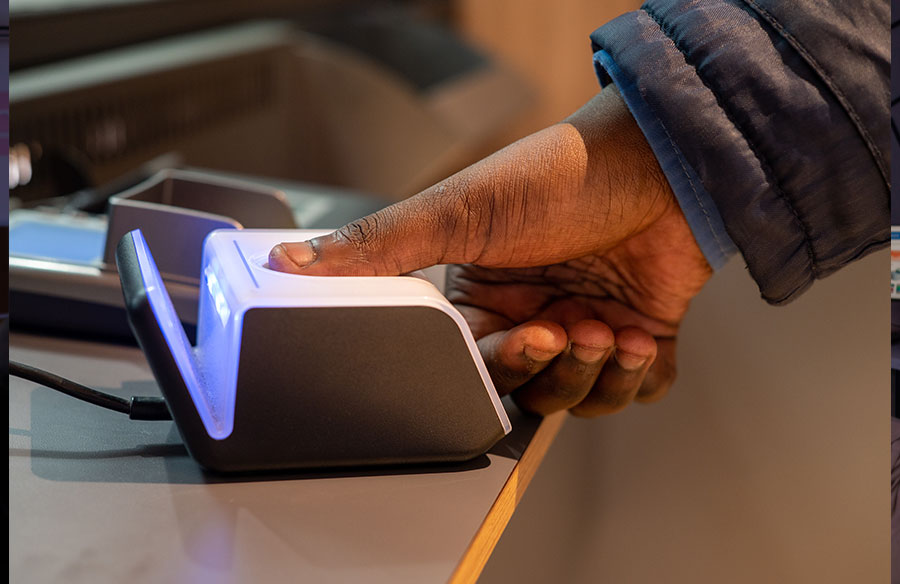
Identity checks are now a routine part of onboarding across many sectors and if you are a business owner or a manager that works with clients, you may already feel the pressure to reduce delays without weakening security.
Manual reviews often slow down progress, but modern biometric tools can help you provide quicker and more consistent results, so many teams are now turning to them. Follow along to see how each approach works and decide which method can support your checks.
What Is ID Verification?
ID verification is used to verify the identities of your customers. Biometric verification uses facial matching to confirm the person is the same individual shown on the identity document. The technology examines the document and checks that the details are valid, and it also runs liveness detection so you know the image is taken by a real person.
These steps strengthen ID verification because they reduce the risk of spoofing and improve the accuracy of identity matching.
Manual checks, on the other hand, depend on human judgement. You or your staff examine the document by sight and compare the details with the information provided. This can work for low volumes, although quality can vary when workloads rise or when the document type is unfamiliar. Busy periods can also increase the chance of oversight.
Speed and Efficiency Across Different Workflows
Biometric tools process information quickly because the system analyses the document and the facial image in real time. This supports teams that handle large volumes or need faster onboarding since the applicant can complete the process remotely. Clear submission steps reduce back-and-forth and allow cases to move through without delay.
Manual checks need more time because each document requires your full attention. You might request clearer images or extra proof when details are hard to read which will slow down the process even further. These delays affect the wider onboarding journey and create pressure during peak activity.
Accuracy, Fraud Detection and Reliability
Biometric systems improve reliability because they review the document’s security features and confirm that the person matches the ID. They’re capable of detecting altered images, tampering or inconsistencies that a human may not spot under normal conditions. This is important in the UK where fraud continues to affect sectors such as property, recruitment and financial services.
Manual ID verification relies on visual assessment and familiarity with many document styles. This creates a higher chance of missed issues. Staff may also struggle to detect high-quality forgeries or verify foreign documents without specialist training.
Compliance and Data Confidence
Biometrics support stronger audit trails because the process uses structured data that can be accessed securely. Many systems link to trusted sources for address checks, PEPs screening and sanctions reviews which helps meet expectations. This provides confidence for businesses that need reliable and consistent records.
Manual ID checks can still meet regulatory duties, although they depend heavily on the experience of staff. Storing information safely is harder since teams often rely on email submissions or scanned images which increases handling risks.
All in All
Biometric ID verification offers stronger accuracy, quicker outcomes and a smoother user experience which helps businesses create more reliable onboarding journeys. Manual checks still have a place for exception review or where face-to-face validation is preferred.
However, as identity risks grow and expectations rise, biometric tools remain the more practical option for teams that need secure and consistent results.