Introduction
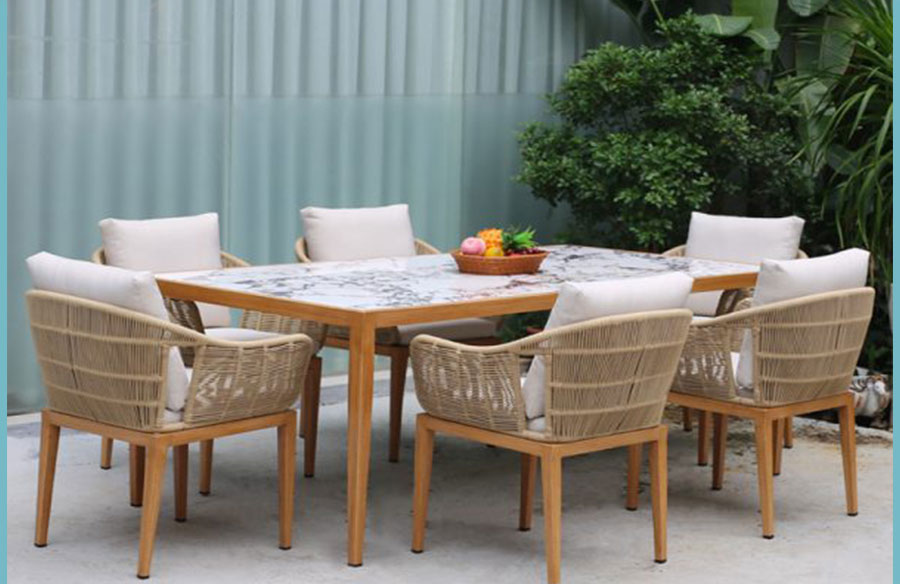
Outdoor design plays a key role in how a commercial space builds its brand and shapes the visitor experience. I saw this shift clearly when I worked on a café patio upgrade last summer. People stayed longer and shared more photos after the new layout went in. Many businesses now use commercial outdoor furniture as part of their style and identity. Clear lines, warm colors, and smart layout choices help a space stand out. In this article, I explore how design and function work together to help teams create outdoor areas with strong visual impact.
The Role of Design in Commercial Outdoor Furniture
Design shapes how customers see a commercial space the moment they walk by. I noticed this when I helped refresh an outdoor seating area for a friend’s café. Before the update, the space felt flat and empty. After adding simple shapes and warmer tones, people slowed down, looked inside, and stayed longer.
How Design Supports Business Goals
- Design builds the brand image. Clear lines, calm colors, and a clean layout help customers form a positive first impression.
- Design increases customer stay time. Comfortable chairs, shade options, and logical flow make people feel relaxed and willing to spend more time.
- Design improves space function. A planned layout gives room for service paths, group seating, and movement while keeping the area tidy and easy to use.
Good design blends looks and function. When both work together, outdoor furniture becomes a strong tool for commercial spaces to attract customers and support daily operations.Discover kury commercial outdoor furniture collections designed for high-use hospitality spaces.
Latest Trends in Commercial Outdoor Furniture Design
Commercial outdoor furniture is evolving fast. Businesses now focus on spaces that feel both stylish and comfortable. I recently visited a rooftop lounge where the designers used a minimalist approach combined with natural textures like wood and stone. The space felt open, warm, and inviting at the same time.
Key Design Trends
- Minimalism with natural elements. Simple forms paired with wood, plants, or stone create a calm and modern look.
- Color trends. Soft tones mixed with occasional contrasting colors add depth and make spaces visually interesting.
- Innovative shapes. Streamlined furniture and modular pieces allow layouts to change easily for events or peak hours.
- Smart features. Adjustable lighting, built-in charging, and multifunctional furniture enhance comfort and usability.
- Sustainable design. Eco-friendly materials like recycled metal or certified wood show that a business cares about the environment and reinforces brand responsibility.
These trends not only improve aesthetics but also support practical use. Businesses can create spaces that feel inviting, adaptable, and socially responsible—all through thoughtful outdoor furniture design.
Sustainable Design and Eco-Friendly Trends in Commercial Outdoor Furniture
Sustainability is becoming a key focus in commercial outdoor furniture design. Businesses are looking for furniture that not only looks good but also reduces environmental impact. I noticed this trend when helping a seaside café update its patio. Choosing eco-friendly materials made the space feel modern while showing the brand cared about the environment.
Eco-Friendly Materials and Their Advantages
- Recycled aluminum: Lightweight, durable, and fully recyclable, ideal for heavy-use areas.
- Synthetic wicker/PE rattan: Weather-resistant, low maintenance, and made from sustainable sources.
- Eco-friendly coatings: Protect furniture from sun, rain, and wear without toxic chemicals.
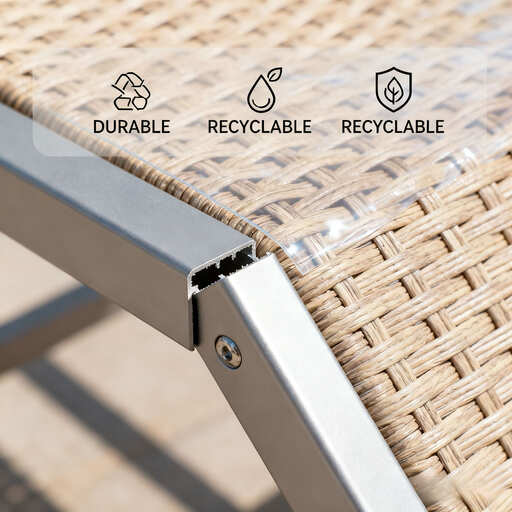 These materials last longer, require less maintenance, and minimize environmental impact, making them ideal for commercial spaces that see frequent use.
Benefits for Businesses
Purchasing sustainable outdoor furniture helps businesses demonstrate corporate social responsibility (CSR). Guests notice when brands invest in eco-friendly solutions, which can enhance reputation and strengthen customer loyalty. Many companies also find that green furniture aligns with their brand values, reinforcing their commitment to responsible operations.
Market Demand and Trends
The market for sustainable commercial outdoor furniture is growing rapidly. According to industry data, demand for eco-friendly and recyclable materials has increased by over 25% in the past five years. Designers and operators are responding by creating modern, functional, and environmentally conscious outdoor areas that appeal to customers and staff alike.
By combining sustainability with aesthetics and functionality, businesses can create outdoor spaces that are stylish, practical, and aligned with current market and societal expectations. Eco-friendly furniture is no longer just a trend—it is becoming a standard in responsible commercial design.
Balancing Design and Function in Commercial Spaces
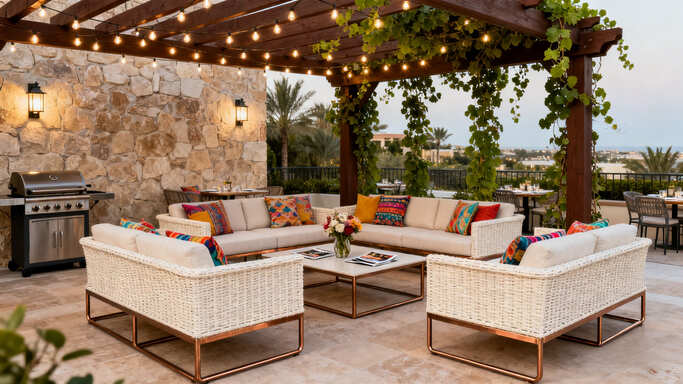
Creating outdoor areas for businesses requires a careful balance between style and function. I once worked with a boutique hotel that wanted its rooftop terrace to feel both luxurious and relaxed. By understanding their target guests, we chose furniture and layouts that matched the experience they wanted to offer.
 Practical Approaches
- Tailor design to customer type. For luxury resorts, choose plush seating and elegant materials; for urban cafés, pick casual, flexible furniture that encourages short stays and quick turnover.
- Incorporate ergonomics. Chairs, benches, and loungers should support natural posture. Comfortable furniture keeps customers happy and encourages repeat visits.
- Optimize layout for space and interaction. Arranging seating in clusters or around focal points encourages conversation while maintaining smooth movement for staff and guests.
- Case example. At a hotel terrace renovation, we added modular seating, shaded areas, and small tables for groups. Guests stayed longer, shared photos online, and the hotel’s terrace ratings increased noticeably.
Balancing design and functionality ensures outdoor furniture contributes to both aesthetics and business goals. Spaces feel appealing, work efficiently, and enhance the overall guest experience.
Conclusion
Design plays a strategic role in commercial outdoor furniture. A well-designed space can leave a lasting impression, boost customer engagement, and set a business apart from competitors. I encourage businesses to focus on both aesthetics and functionality when planning their outdoor areas. Thoughtful layouts, comfortable seating, and smart material choices work together to create memorable experiences. For companies seeking unique solutions, Kury offers custom outdoor furniture design options from China that combine style, practicality, and brand identity, helping spaces stand out and attract more customers.