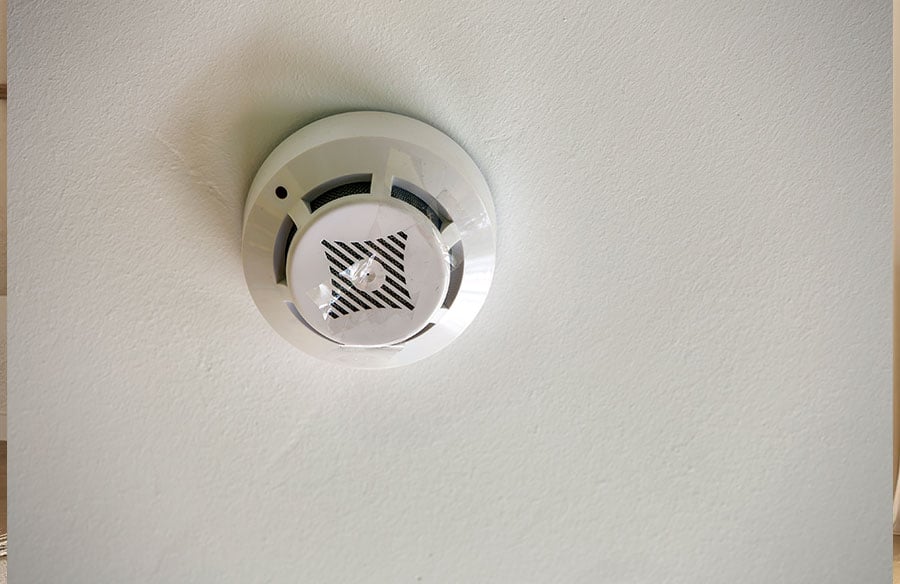
Fire alarms are supposed to trigger immediate evacuation. That’s the theory behind every fire drill, every emergency plan, every assumption built into building safety designs. But when alarms sound during actual fires, human behavior rarely follows the script. Those first few minutes after the alarm activates often determine whether everyone gets out safely or whether the situation turns catastrophic.
Understanding what really happens during this critical window explains why some buildings evacuate smoothly while others descend into dangerous chaos, even when both have similar fire protection systems and emergency plans.
The Delay That Nobody Plans For
When a fire alarm sounds, most people don’t immediately head for exits. They pause. They look around to see what others are doing. They check if smoke is visible. They wonder if it’s another false alarm. This delay is so consistent across fire incidents that researchers have documented it repeatedly, yet building evacuation plans rarely account for it.
The average delay before people start moving toward exits ranges from 30 seconds to several minutes, depending on the situation. In buildings with frequent false alarms, delays stretch even longer because occupants have learned that alarms usually don’t mean real danger. That learned response—entirely rational based on past experience—can be deadly when the alarm indicates an actual fire.
During this delay period, people also try to gather information. They look for smoke, ask coworkers what they know, check their phones, or wait for announcements. In office buildings, people often continue typing emails or finishing tasks before considering evacuation. This information-seeking behavior wastes time but feels necessary to people who aren’t sure whether the threat is real.
When People Don’t Trust the Alarm
False alarms create a credibility problem that undermines the entire fire safety system. In buildings where alarms sound frequently for non-emergencies—burnt food in break rooms, construction dust, system malfunctions—occupants develop alarm fatigue. They assume each new alarm is another false positive and respond accordingly.
This skepticism means the alarm alone isn’t enough to trigger evacuation. People wait for additional confirmation: smoke they can see or smell, announcements from building management, or other occupants taking the alarm seriously. Without these additional cues, many people simply ignore the alarm and continue whatever they were doing.
The problem compounds in residential buildings where alarms sound at night. People woken by alarms often assume it’s a false alarm, check briefly for obvious signs of fire, then go back to bed. The mental barrier to leaving a comfortable, familiar space in response to what’s probably another false alarm is surprisingly high.
How Building Design Affects Response
The physical layout of a building shapes how people respond to alarms in ways that emergency plans often don’t consider. In open-plan offices where everyone can see each other, social dynamics drive behavior. If one person stands up to leave, others follow. If everyone stays seated, most people remain at their desks despite the alarm.
In buildings with private offices or cubicle layouts, isolation creates different problems. People can’t see what others are doing, so they lack the social cues that might prompt evacuation. They’re more likely to stay put, uncertain whether the alarm is serious, without the herd behavior that moves groups toward exits.
Stairwell design matters too. People instinctively avoid stairwells they perceive as unsafe—dimly lit, empty, or unfamiliar. Even when these are the designated emergency exits, occupants may hesitate to enter them, especially if the stairwell atmosphere differs dramatically from the comfortable office environment they’re leaving. This hesitation creates bottlenecks at stairwell entrances just when smooth flow matters most.
The Announcement Problem
Many modern buildings have voice announcement systems that supplement alarm bells. These systems can clarify that the alarm indicates a real fire and direct people to evacuate. When they work well, they reduce delays and improve evacuation efficiency.
But announcements create their own issues. If the message is vague or uses jargon, people may not understand the urgency. Generic announcements like “please evacuate the building” don’t convey the same urgency as “there is a confirmed fire on the third floor.” The specificity and tone of announcements significantly affect how quickly people respond.
Pre-recorded messages, while consistent, often sound less urgent than live announcements. People respond more quickly to a human voice that sounds genuinely concerned than to a calm, automated instruction. The challenge is that live announcements require trained personnel who can access the system quickly and deliver clear instructions under stress.
Smoke Changes Everything
When occupants can actually see or smell smoke, behavior shifts dramatically. The abstract threat signaled by an alarm becomes concrete and immediate. This is when delays disappear and people start moving with genuine urgency.
The problem is that by the time smoke becomes obvious at ground level, fire conditions may already be dangerous. In buildings with high ceilings or large open spaces, smoke can accumulate overhead for minutes before descending to where people can detect it. During that time, the fire grows while occupants ignore the alarm, waiting for confirmation they can perceive directly.
Effective smoke management becomes critical here. Buildings equipped with proper ventilation—whether through natural systems available at https://surespancovers.com/product-category/smoke-vents/ or mechanical extraction—can maintain clearer conditions at occupant level even as fire develops, giving people more time to evacuate before smoke makes navigation impossible. Without adequate smoke control, the window between when smoke becomes visible and when it becomes incapacitating can be dangerously narrow.
The Exit Route Reality
Emergency plans assume people will use the nearest designated exit. Actual evacuation behavior shows people often ignore nearby emergency exits in favor of the entrance they normally use. This is true even when the familiar entrance is farther away or more crowded.
This tendency to use familiar routes creates predictable bottlenecks at main entrances while emergency exits sit unused. People who’ve never used the emergency stairwell in the back corner won’t instinctively head there during a crisis, even if it offers the fastest escape route. Familiarity trumps logic during evacuation.
The other factor is that people often return to their entry point to gather belongings or check on coworkers before actually leaving the building. This backtracking against the flow of evacuation creates confusion, slows overall egress, and puts people at risk by keeping them in the building longer.
When Leadership Matters
Buildings with designated floor wardens or trained emergency responders evacuate more effectively than those without clear leadership. When someone in authority is visibly taking the alarm seriously and directing people to exits, others follow. This social proof overcomes much of the initial hesitation and skepticism.
The absence of visible leadership has the opposite effect. When no one appears to be in charge and no one is directing traffic, people default to waiting, watching, and doing nothing. The diffusion of responsibility means everyone assumes someone else will handle it or that if it were serious, someone would tell them what to do.
Training and practice matter for these leaders too. Floor wardens who’ve only read evacuation procedures behave differently under stress than those who’ve practiced actual evacuation drills regularly. The muscle memory and comfort with the process makes them more effective when minutes count.
The Accountability Challenge
Once people start evacuating, tracking who’s out and who might still be inside becomes nearly impossible in most buildings. People exit through different doors, skip the designated assembly areas, or leave the property entirely. Building management often has no reliable way to know if everyone escaped.
This creates dangerous situations where firefighters enter buildings searching for people who’ve already left, or where people remain trapped inside because no one realizes they need help. The orderly accounting that works in drills falls apart during real emergencies when people are scared, confused, and just want to get away from the building.
What This Means for Building Safety
The gap between planned evacuation and actual behavior can’t be completely eliminated, but understanding these patterns helps. Buildings need fire protection that accounts for delay, skepticism, and confusion rather than assuming perfect compliance with emergency procedures.
This means detection and alarm systems that create genuine urgency without generating frequent false alarms. It means smoke control that maintains survivable conditions during the inevitable delays before people start moving. It means exit routes that accommodate the reality of how people actually evacuate rather than how plans say they should.
The minutes after fire alarms sound are when fire safety systems either prove their worth or reveal their inadequacy. Buildings designed around realistic human behavior rather than theoretical perfect response are the ones where people actually get out alive.