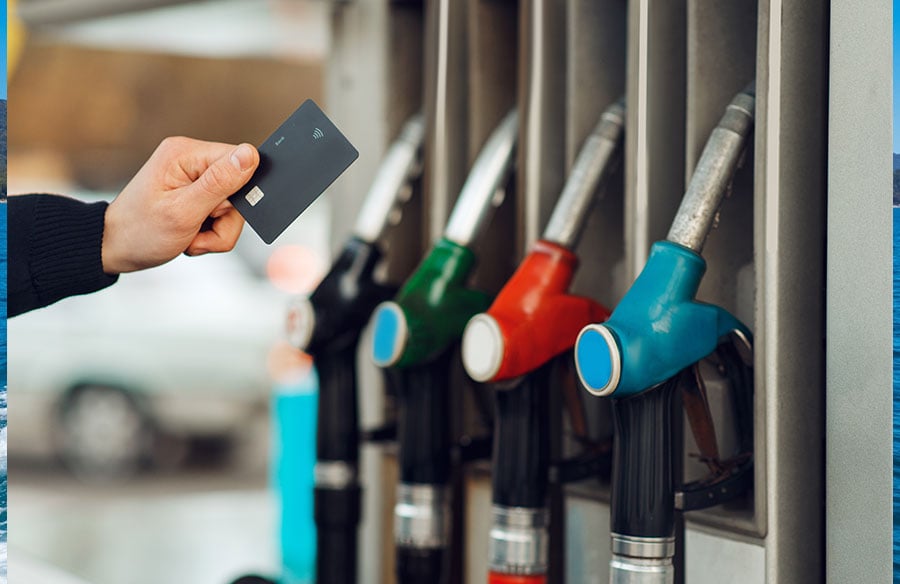
Fuel cards have emerged as a cost-effective solution for businesses to manage transportation costs. They offer a straightforward solution for managing and monitoring fuel purchases. Understanding how they work can help companies benefit from cost-efficient and easy-to-maintain operations. This simplified guide will explain fuel cards, what they are, and how they can benefit your business.
Defining Fuel Cards
A fuel card, such as the Comdata fuel card, is similar to a payment card, which you can use to purchase fuel at participating locations. Companies issue these cards to employees or drivers who operate a vehicle on behalf of the company. Each account receives its own card, which makes it easy to track spending. Thousands of fuel stations across the nation accept fuel cards, which minimizes the reliance on paperwork, cash, and reimbursement.
How Fuel Cards Operate
The card is swiped at the terminal when a driver fills the tank. The transaction gets stored, and they get auto-charged the amount to the company account. You can use specific cards to buy other automobile items, such as oil or windshield wipers. Every purchase happens digitally, and then from the business end, the record is accessed. This aspect makes recording expenses and accounting easier and faster.
Types of Fuel Cards
Different types of fuel cards are available, each with unique features. Some are limited to specific gas stations, while others are usable almost everywhere. While universal cards allow for a more diverse scope of usage, a network-specific card could provide better discounts. The specific type required will depend on the organization’s requirements and the type of journeys they are undertaking. Many businesses compare cards to find the right one for their needs.
Benefits for Businesses
Fuel cards provide a range of benefits to companies that utilize them. First, it allows you to control your expenditure even more effectively. Administrators can set a limit on the amount that drivers can spend per transaction and per day. It acts as a catalyst for responsible consumption and helps in controlling misuse. Audits become less complicated due to clear records, which in turn reduces the risk of fraud.
Tracking and Reporting
Transactions conducted using a fuel card get recorded in real-time. You can generate a detailed report that tracks when and where drivers purchased fuel. It involves detailed records on mileage on each vehicle, the identity of each driver, and the type of fuel required. Armed with this intelligence, businesses can identify patterns, detect anomalies, and optimize routes more effectively. You will also save time at tax time by having straightforward reporting.
Improved Efficiency
Since employees do not have to keep paper receipts, fuel cards save time. Your drivers can focus on navigating their routes instead of worrying about paperwork. Reduced time for administrators to process reimbursements means they have more time for other key activities, which results in smoother operations and higher efficiency.
Cost Savings
Most cards have a special discount on fuel, which could result in considerable long-term savings, especially for businesses operating large fleets of vehicles. Moreover, proper records also help identify inefficient driving habits or indicate vehicle problems, which results in further reducing fuel costs. Stopping someone from making purchases prevents that company from losing revenue.
Additional Security Features
Modern fuel cards come with high-end security checks. Pumps require a personal identification number or a driver’s license. Others let admins prevent purchases or cap spending by location. The card can be deactivated quickly in the event of loss or theft, thereby safeguarding company funds. These protection measures help give business owners and managers peace of mind.
Steps To Applying For Fuel Cards
Obtaining a fuel card is a relatively straightforward process. Companies complete an application that contains some basic information about their vehicles and drivers. Some providers may check your credit before granting you an account. Once cards are fully approved, they are shipped out, and you can hand them over to your drivers. To instil adherence to policy, it is critical to train employees on responsible card use.
Factors to Consider Before Choosing
Choosing the right fuel card should be a well-thought-out decision. Check the network of stations to see if the card is accepted. Look for any fees, which may include monthly or transaction fees. Check out the security options or the reporting features. Compare discounts and additional benefits. Providing maximum value requires matching the card to the specific needs of the business.
Conclusion
Companies can manage fuel expenses effectively with the help of fuel cards. They give more control, savings, and higher security than traditional payment methods. As a result, even while providing easy-to-use tracking and reporting tools, businesses can effectively focus on growth with less worry about transportation expenses. For any organization managing a fleet, implementing fuel cards can be a source of increased efficiency and worry-free operations.