Quick Answer
A sewer backup is a serious health and property hazard that requires immediate action. Begin by halting water use in the home to prevent worsening the overflow. Avoid direct contact with contaminated water – sewage contains harmful bacteria and viruses. Turn off electricity in affected areas if safe to do so, and ventilate the space. Do not attempt to clean with household products alone; professional-grade sanitation and moisture control are essential to prevent mold and lingering pathogens. Document damage for insurance purposes before starting any cleanup.
Introduction
Coming home to the foul smell of sewage and the sight of murky water pooling near floor drains is every Calgary homeowner’s nightmare. Beyond the shock and inconvenience, a sewer backup poses immediate risks to health, structural integrity, and indoor air quality. The clock starts ticking the moment it happens – delaying action can turn a manageable incident into a full-blown restoration crisis. Whether the cause is a clogged main line, heavy spring runoff, or a compromised pipe under your foundation, knowing what to do – and what not to do – makes all the difference. If recurring backups point to a deeper issue beneath your property, it might be time to look into drain line repair in Calgary to address the root cause before it strikes again.
In the sections ahead, we’ll walk through the essential steps to manage the aftermath safely, clean effectively, and build resilience against future overflows – all grounded in practical, field-tested guidance for Canadian homes.
Immediate Steps After a Sewer Backup
When sewage begins backing up into your basement, laundry room, or floor drains, every minute counts. Acting quickly – and correctly – can significantly reduce health risks and property damage. Here’s what to do first, in order of priority:
- Stop all water use immediately. This includes dishwashers, showers, washing machines, and even flushing toilets. Continuing to run water adds pressure to a compromised system and can worsen the overflow.
- Shut off the main water supply. Locate your home’s main shutoff valve – usually in the basement, utility room, or near the water meter – and turn it clockwise to stop incoming water.
- Turn off electricity to affected areas – if safe. Never step into standing water near outlets or appliances. If you can safely reach your electrical panel without crossing contaminated zones, switch off circuits tied to the flooded area to prevent shock hazards.
- Evacuate children and pets. Sewage contains pathogens like E. coli, hepatitis, and salmonella. Keep vulnerable individuals away from the area until it’s professionally sanitized.
- Document the damage. Take clear photos and videos of affected areas before cleaning begins. This evidence is crucial for insurance claims and assessing the full scope of loss.
Avoid common mistakes at this stage: do not attempt to siphon or pump out sewage with shop vacuums, as this can aerosolize contaminants. Similarly, resist the urge to mop or scrub with bleach – improper cleaning can spread bacteria and damage surfaces further.
If water continues rising or you suspect a main line failure, contact emergency plumbing services right away for a drainage repair or at least a sump pump inspection. Rapid response can prevent structural saturation and secondary issues like mold growth, which often begins within 24 to 48 hours in damp environments.
Health and Safety Considerations
Sewage isn’t just dirty water – it’s a biohazard. Raw wastewater can carry more than 100 types of pathogens, including bacteria, viruses, and parasites that cause illnesses like gastroenteritis, hepatitis, and severe respiratory infections. Because of this, standard household cleanup routines are not enough. Safety must come before sanitation.
Personal Protective Equipment (PPE) Is Non-Negotiable
If you must enter the affected area before professionals arrive, wear:
- Waterproof gloves (nitrile or rubber, not latex)
- Goggles or a face shield
- Waterproof boots
- An N95 respirator or higher-grade mask
Long-sleeved clothing you can discard or thoroughly disinfect afterward
Never rely on dish soap or vinegar to neutralize contaminants – these won’t kill sewage-borne microbes. Even after visible water is removed, harmful residues linger on surfaces, in grout, and within porous materials like drywall or carpet padding.
Know What to Discard
Some items simply can’t be salvaged after exposure to blackwater (Category 3 water, as defined by restoration standards):
- Upholstered furniture
- Carpet and padding
- Mattresses and pillows
- Drywall below the water line
- Most insulation types
Attempting to clean these often traps moisture and organic material inside, creating ideal conditions for mold and bacterial regrowth.
When Children or Vulnerable Individuals Are Present
Extra caution is warranted for seniors, pregnant individuals, young children, or those with compromised immune systems. Even brief exposure can lead to serious illness. Ideally, they should stay out of the home until air quality testing confirms the environment is safe.
If you’ve had prolonged exposure – especially without protection – monitor for symptoms like nausea, fever, or skin rashes and consult a healthcare provider if concerns arise.
This phase isn’t just about cleaning; it’s about containment, risk mitigation, and preparing for proper sewage remediation by qualified experts who follow IICRC (Institute of Inspection, Cleaning and Restoration Certification) standards.
Cleaning and Sanitizing Your Home
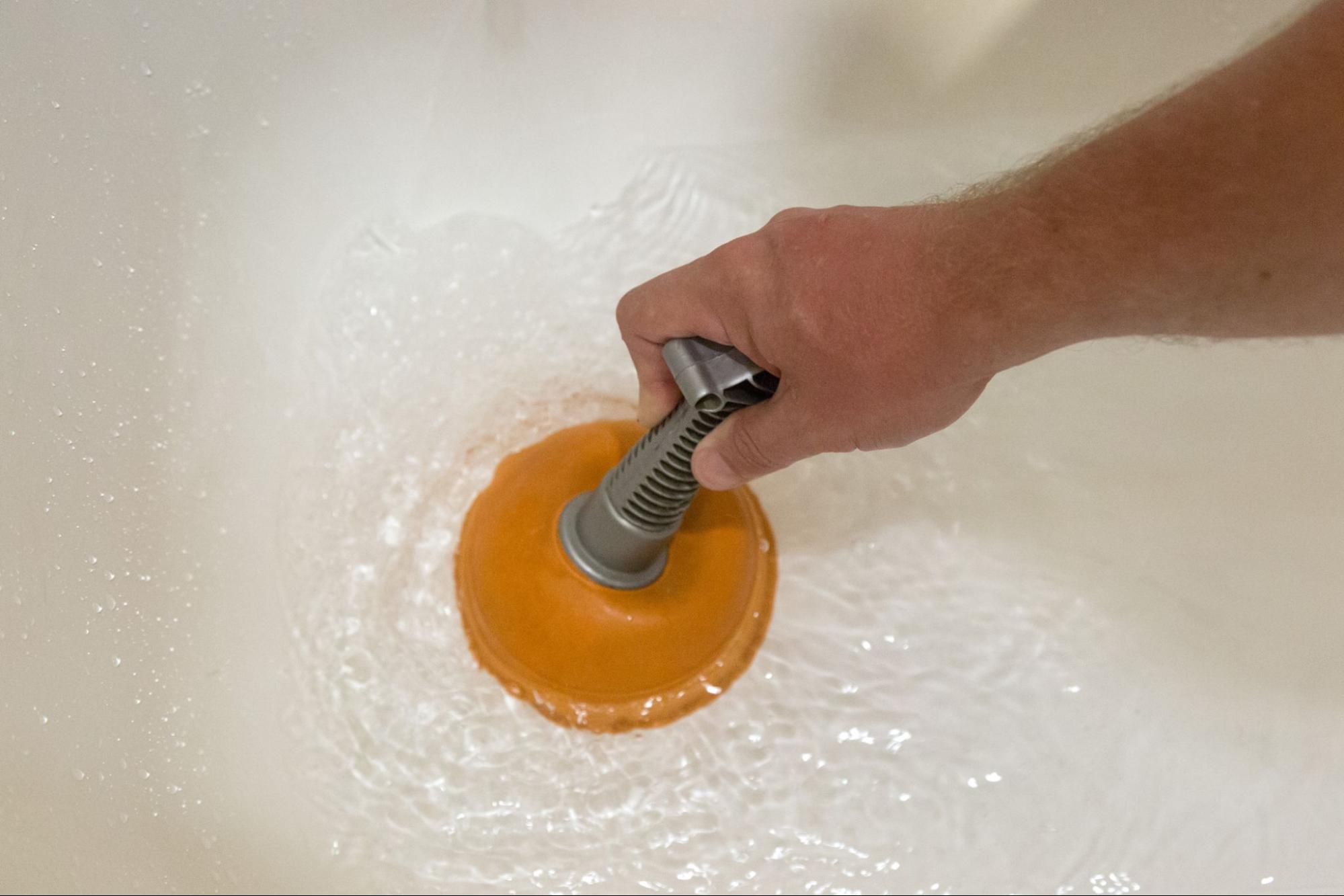 Once immediate safety measures are in place and the area is secured, the focus shifts to thorough cleaning – but not in the way you might approach a typical household spill. Sewer backup cleanup in Calgary homes (or anywhere) demands a systematic, layered approach that goes well beyond surface-level scrubbing. The goal isn’t just to remove visible residue but to eliminate microbial threats and control moisture to prevent secondary damage like mold.
Step-by-Step Restoration Approach
1. Remove standing water and solids
Use a submersible pump or wet-dry vacuum rated for sewage (not your regular shop vac) to extract contaminated water. Scoop out solid waste with disposable tools and place it in heavy-duty, sealed plastic bags for disposal.
2. Strip away porous materials
As noted earlier, drywall, insulation, carpet, and padding that contacted sewage should be removed to at least 12 inches above the highest water mark. This prevents hidden microbial growth behind walls or under floors.
3. Clean all hard surfaces
Wash down walls, floors, baseboards, and fixtures with a detergent solution first to remove organic matter. Then apply an EPA-registered disinfectant labeled for use against sewage pathogens. Allow sufficient dwell time – typically 10 minutes – as specified on the product label.
4. Dry aggressively
Moisture is the enemy. Use industrial-grade dehumidifiers and air movers to dry the space completely within 48 hours. Relative humidity should be maintained below 50% during this phase. A standard home dehumidifier won’t be enough for moderate to severe backups.
5. Verify cleanliness
Professional sewage remediation includes ATP (adenosine triphosphate) testing or microbial sampling to confirm surfaces are free of harmful biological residues. DIY cleanup rarely achieves this level of validation.
When to Call a Professional
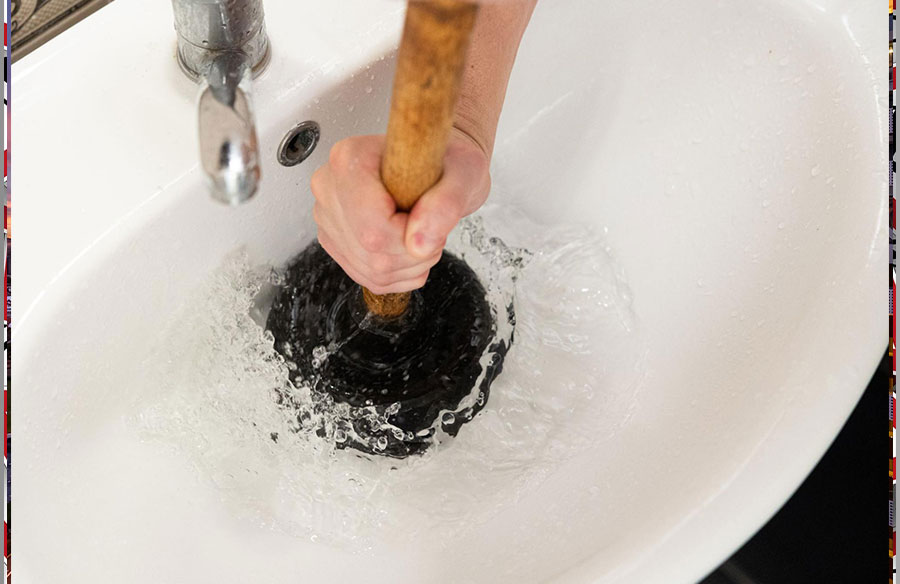
While minor drain clogs can often be handled with a plunger or drain snake, a sewer backup is in a different category entirely. The complexity, health risks, and potential for hidden structural damage mean that professional intervention isn’t just advisable – it’s often essential.
Clear indicators you need expert help:
- Multiple fixtures backing up simultaneously – If water is rising in your shower when you flush the toilet, or the basement floor drain gurgles when the washing machine drains, you’re likely dealing with a blockage in the main sewer line, not a branch pipe.
- Recurring slow drains after “fixing” a backup – Temporary relief followed by another overflow suggests an underlying issue like pipe collapse, root intrusion, or misalignment that won’t resolve with DIY methods.
- Visible sewage odour without an obvious source – Persistent sewer smells, especially near floor drains or in the yard, can signal a cracked or broken lateral line underground.
- Water pooling in the yard near the sewer cleanout – This often points to a break or blockage in the line between your home and the municipal sewer or septic tank.
- History of foundation movement or recent landscaping – Shifting soil or heavy equipment near sewer lines can cause fractures or separation that only a camera inspection can confirm.
Final Thoughts
A sewer backup is more than a messy inconvenience – it’s a red flag that your home’s drainage system is under stress. While the immediate focus must be on safety, sanitation, and damage control, the long-term goal is resilience. By understanding the signs of trouble, acting swiftly when issues arise, and investing in preventive measures like backwater valves, sump pump upkeep, and professional inspections, Calgary homeowners can significantly reduce their risk of recurrence.