Although driveways are designed to withstand everyday use, they aren’t immune to damage. Soil erosion, heat expansion, freeze-thaw cycles, and constant exposure to heavy loads take their toll, resulting in surface wear that requires repair. While repairing a driveway may seem straightforward, the costs can be significant. Depending on the type of driveway you have, repairs may require specialised materials or professional labour, which are factors that can quickly drive up expenses.
Of the different types, repairing an asphalt driveway is often more cost-effective, but how so exactly? This article will explore the real costs associated with driveway maintenance, as well as take a look at the advantages of choosing asphalt.
Understanding the Full Cost of Driveway Repairs
Driveway repairs involve more than surface fixes. Various factors influence the overall effort and outcome of the work, shaping the cost over time. Considering the full picture before work begins can help you plan effectively. Here are some key elements that contribute to the true expense of repairing a driveway:
1) Initial Material and Labour Cost
Repair costs depend heavily on the materials and labour involved. The type of surface determines the products needed for a durable, visually consistent repair. Labour requirements also change with the extent of the damage and the accessibility of the affected area.
Skilled professionals and specialised tools may be necessary for precise work, even on relatively small patches. These factors combine to make material and labour the most immediate contributors to the overall expense of repairing a driveway.
2) Maintenance Expenses
Routine maintenance significantly affects the total cost of a driveway over its lifespan. Regular cleaning, sealing, and inspection prevent small issues from growing. Materials with higher resilience require less frequent attention, while neglected surfaces degrade more rapidly. Consistent upkeep reduces the likelihood of major repairs and extends the driveway’s functional life, keeping long-term expenses lower.
3) Long-Term Impact
The total expense of driveway repairs often goes beyond visible damage and immediate work. Water infiltration, poor drainage, and shifting soil can worsen over time, leading to additional repairs that are not immediately apparent. Temporary loss of access, disruption to daily routines, and extra effort to coordinate professional services add further costs.
Small issues left unaddressed frequently escalate, making the driveway more expensive to maintain than initial estimates suggest. Recognising these hidden factors is essential for understanding the full financial impact of repairs.
How an Asphalt Driveway Can Help Reduce Future Repair Costs
Asphalt offers a combination of durability and practicality that can influence long-term repair needs. Its characteristics help limit the frequency and severity of problems, making it a popular choice for homeowners looking to manage costs over time. If you know the ways asphalt performs, you’ll be able to perceive its advantages compared with other driveway materials.
Considering a new driveway or planning a replacement? Here are some reasons to choose asphalt:
It’s Easier and Cheaper to Repair
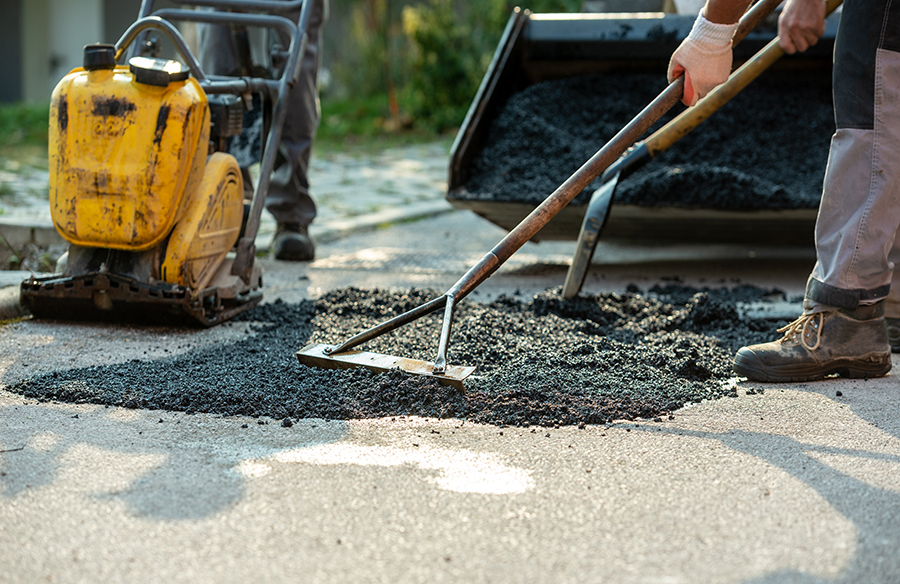
Damage to an asphalt driveway can often be addressed quickly and with minimal disruption. Small cracks or potholes can be patched without replacing entire sections, reducing labour and material costs. Repairs are straightforward enough to be completed by most professionals in a short time, keeping expenses lower compared with more rigid surfaces. This simplicity also limits the inconvenience during maintenance work.
It’s More Flexible Than Concrete
Asphalt’s natural flexibility allows it to absorb pressure and movement that would cause cracking in more rigid surfaces such as concrete. Temperature fluctuations, including freeze-thaw cycles, create stress in hard materials that often leads to fractures.
Asphalt, however, bends slightly under weight, reducing the risk of structural failure even when subjected to heavy vehicles or frequent use. This adaptability helps the surface accommodate minor ground shifts and settling without significant damage. Over time, the flexibility of asphalt means fewer extensive repairs are needed, preserving both the driveway’s appearance and functional integrity while keeping maintenance more manageable.
It Has a Simple and Affordable Routine Maintenance
Routine care for asphalt driveways is uncomplicated and cost-effective. Periodic sealing protects the surface from water damage and UV exposure, while occasional cleaning removes debris and prevents surface wear. The straightforward nature of maintenance reduces both the time and financial investment required, making it easier for you to keep the driveway in good condition.
It’s Resurfacing Extends Lifespan
Asphalt surfaces can be resurfaced multiple times throughout their lifespan. This simple process addresses minor wear and smooths out imperfections, delaying the need for major reconstruction. Resurfacing also extends the usability of the driveway, maintaining both its appearance and structural performance. This spreads out costs over a longer period, enhancing long-term value and reducing the frequency of disruptive, costly repairs.
Driveway repairs are essential for preserving the surface’s safety and appearance, but they can be a recurring expense if the material lacks resilience. Choosing asphalt reduces that risk by offering a surface that withstands wear and allows for cost-effective maintenance. With fewer major repairs and a longer service life, it provides a practical solution for managing driveway repair costs without sacrificing durability.