
Hydraulics and pneumatics play an essential role in sustainable urbanization by providing solutions for waste management, transportation, water distribution, and more. In other words, they are the backbone of modern cities and must, therefore, lead their cities toward sustainability.
Both hydraulics and pneumatics belong to the fluid power industry; essentially, these technologies use fluids to transport energy from one place to another. The difference is that hydraulic systems use oil, water, or another liquid, while pneumatics rely on highly compressed air.
In this article, we will take a closer look at how hydraulics and pneumatics contribute to sustainable urbanization, which challenges they face, and what we can expect from future developments.
Urban Challenges in Sustainability
As hubs of creativity, education, and innovation, cities are attractive places to live, so their populations are constantly on the rise. However, this rapid urbanization comes with specific challenges related to sustainability.
Those challenges include:
- Land and air pollution caused by uncontrolled urbanization that destroys natural habitats and encourages the overreliance on cars. Without proper planning, cities can easily replace green spaces, and the larger they become, the greater their traffic, which negatively impacts air quality by releasing harmful pollutants.
- Resource depletion, which refers to cities’ high water and energy demands. According to the International Energy Agency (IEA) report, cities consume approximately two-thirds of global energy. Water consumption is also high, which can lead to groundwater depletion and, in turn, land subsidence.
- Strained infrastructure that can’t keep up with the demands of urbanization. This results in issues like traffic congestion, which leads to greater pollution, or water loss through leakages caused by outdated pipes and other water systems.
- Environmental stress, such as flash floods and heatwaves, which are common in cities due to excess concrete and a lack of green spaces. Green spaces tend to cool the air and absorb rainfall, so they are crucial for preventing extreme weather.
Hydraulics in Modern Urban Development
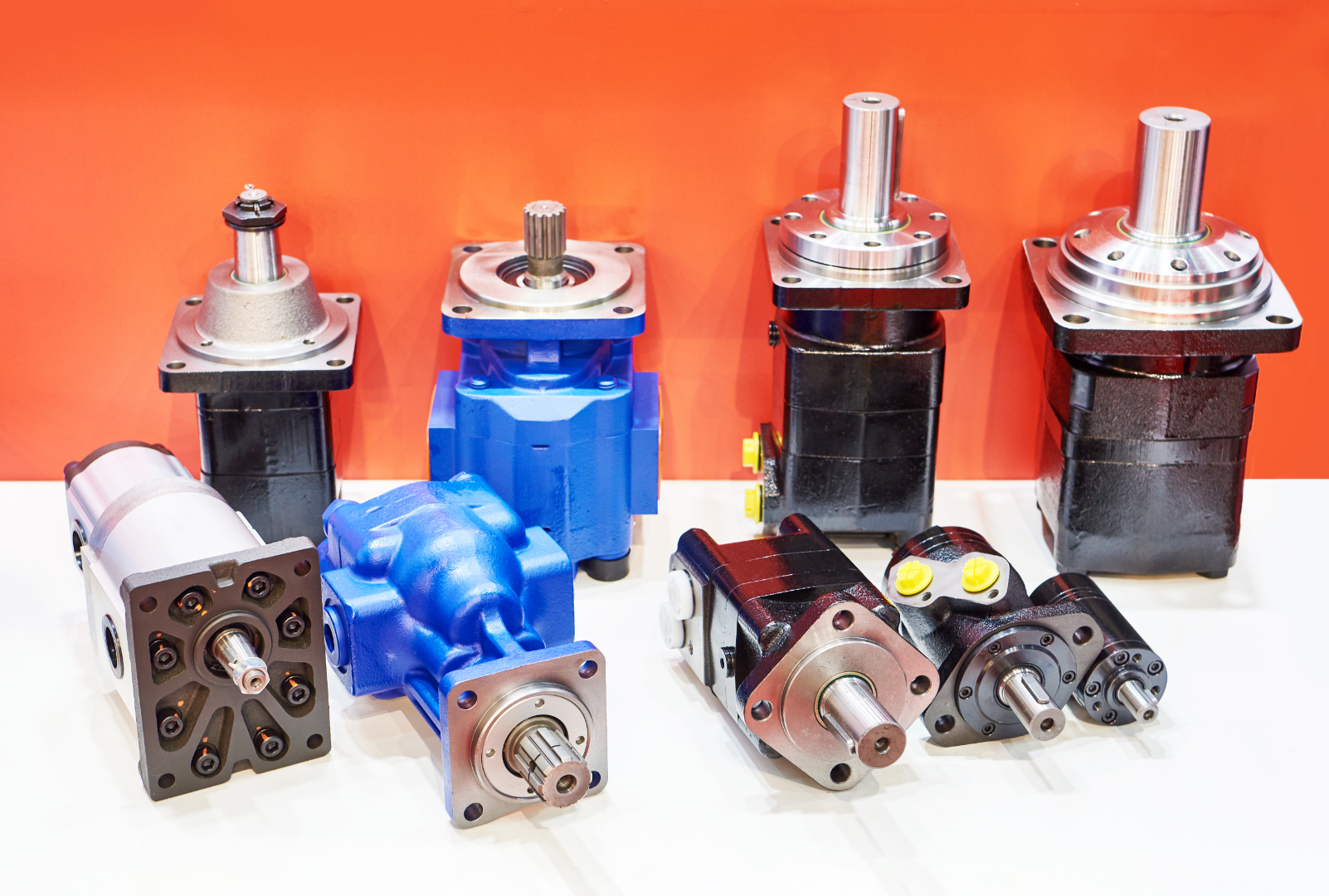 Some of the aforementioned issues can be resolved using hydraulics in modern development, as these systems can improve the sustainability of water infrastructure.
For example, hydraulics are often used in water distribution systems, like pumping stations and storage tanks, where they maintain an optimal water pressure to reduce the load on the infrastructure. That way, they prevent bursts and leaks, which is important because they are among the main reasons the U.S. loses 33.3 trillion gallons of water annually.
Furthermore, hydraulic systems are often leveraged to transport and collect wastewater, as well as remove nitrogen and phosphorus from it.
This is primarily done to reduce the buildup of pollutants and thus protect public health, but it can also contribute to recycling. Namely, in sustainable cities, wastewater should be processed and recycled back into the system for further use.
Pneumatics for Sustainable Cities
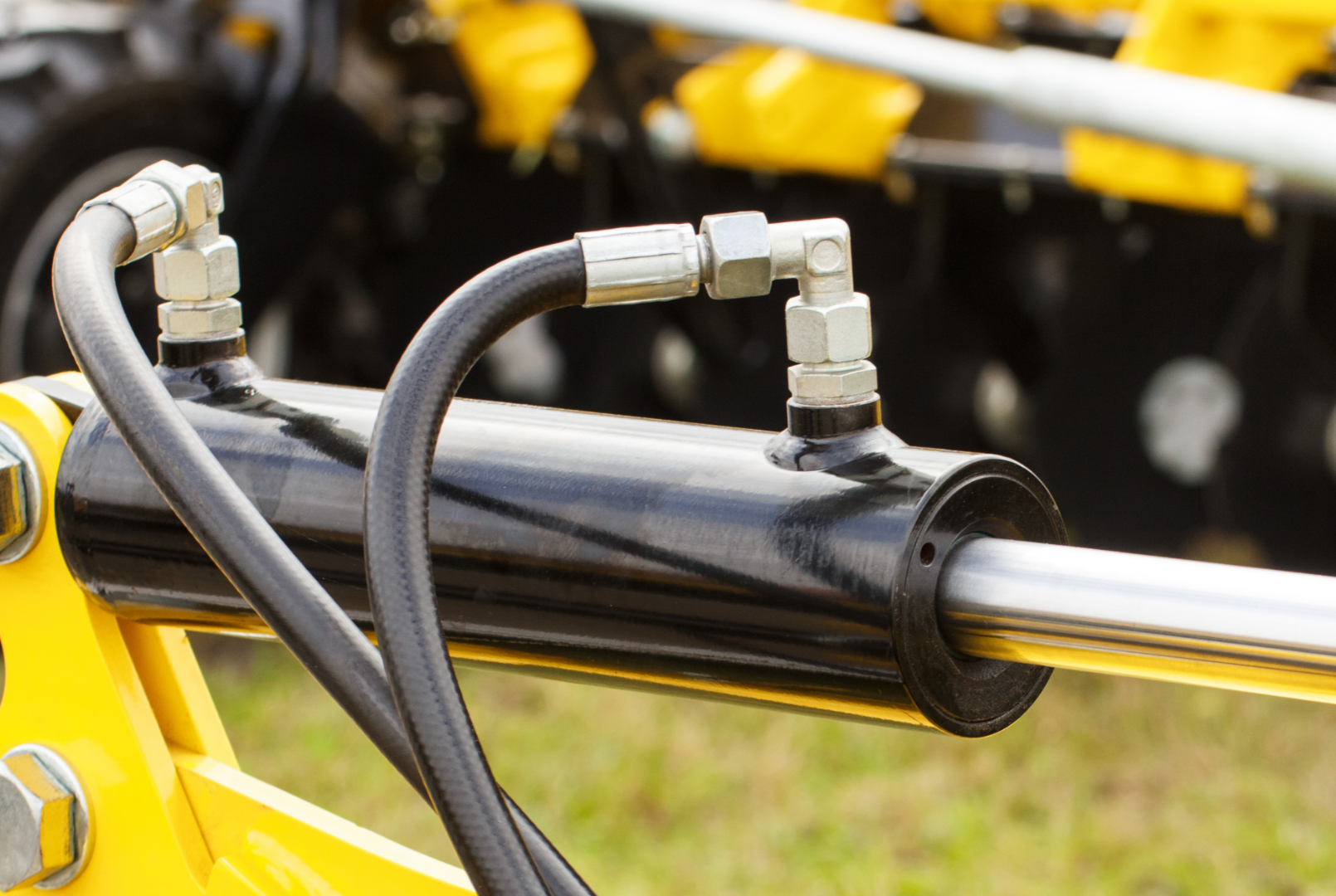 While hydraulics are primarily used in water distribution, pneumatics are essential for waste collection and transportation. An excellent example is the pneumatic waste collection system (PWCS), which has already been implemented in cities like Stockholm, Singapore, and Seoul.
PWCS is a network of underground pipes that transports waste using vacuum and air pressure. These systems, which can handle up to 300 kg of waste per hour per inlet, are an excellent substitute for traditional waste collection trucks. They are far more sustainable, too; there are no emissions to pollute the city, and traffic is reduced as well.
Similar pneumatic technology is used to transport goods and materials in different industries. When transporting dry bulk materials, like powders and granules, this is called pneumatic conveying.
Another way pneumatics help cities become more sustainable is through pneumatic track systems. Instead of conventional subway wheels, these track systems use rubber tires, which use less energy and operate with electric motors, minimizing CO2 emissions. Such tracks already exist in Paris, Santiago, and Montreal.
Future Perspectives
Although the use of pneumatics and hydraulics does contribute to sustainability, the road to creating eco-friendly cities is still very long. Still, here are some developments we may expect in the future:
- IoT integration. The Internet of Things will be a game-changer for the fluid power industry, which is expected to become much more efficient and sustainable with this integration. That’s because pneumatics and hydraulics will be equipped with sensors that will collect data, help optimize this technology, and determine the perfect time for maintenance.
- Automation. The automation of hydraulics and pneumatics will do wonders for efficiency, as these systems will only work when necessary and thus save energy. Furthermore, automation improves precision and consistency, so there’s a decreased risk of errors that would require additional resources or create waste.
Ultimately, the development of new technologies and their integration is likely to reshape pneumatics and hydraulics, as well as our approaches to sustainable urbanization.
Final Thoughts
Sustainability must be a priority in urbanization, as it is the best way to build cities that don’t produce excess pollution and waste. This isn’t only better for the environment; it also makes the city more comfortable for the citizens and improves the quality of life and public health.
Hydraulic and pneumatic solutions can be interesting in terms of sustainability, even though they have room for improvement. We can expect even greater accomplishments in the future, when modern technology like IoT becomes widely used in the fluid power industry.