Australian house architecture has changed greatly since the first colonial buildings emerged in 1788. Our distinctive designs reflect Australia’s unique climate, cultural influences and changing lifestyle needs through the centuries.
The sort of thing I love about Australian architectural styles is how each period adds something special to our built environment. Federation homes showcase red brick exteriors and stained glass, while mid-century modern designs feature organic shapes and clean lines. This progress has created such variety that streets across the country rarely look similar. Your home’s architectural style definitely affects how you renovate and decorate interior spaces. This makes understanding these styles crucial.
This piece traces the trip of Australian house styles from colonial influences to contemporary designs. You’ll learn which Australian house design style might best match your lifestyle based on climate, family needs and renovation potential.
When planning to build a new home, it’s essential to choose experienced home builders in Brisbane who understand the local market, building regulations, and design trends.
Colonial to Federation: The Foundations of Australian House Design
Australian architecture started to take shape when European settlers arrived and adapted their building traditions to suit unfamiliar territory. The development from Colonial to Federation styles shows our country’s experience as it grew from a distant outpost into a nation.
Old Colonial Georgian: Simplicity and symmetry
British Georgian architecture heavily influenced the first European buildings in Australia (1788-1850). Settlers worked with what they had, using local materials like sandstone, timber, and clay to build their homes. These Colonial Georgian buildings stood out with their balanced looks – symmetrical façades, windows placed at equal distances, and entrances right in the middle. These practical homes also featured sash windows with timber shutters, hipped roofs, and wide wrap-around verandahs that helped people deal with Australia’s climate.
Victorian Era: From early to boom style
Victorian architecture (1837-1901) went through three distinct stages that reflected Australia’s growing wealth. Early Victorian homes (up to 1860) kept things simple – brick construction with pitched roofs made from corrugated iron, tiles, or slate. Mid-Victorian buildings (1860-1875) added more style with verandahs featuring cast iron lacework and decorative brickwork. The Late Victorian period (1875-1901) took on the Italianate style and really went all out with ornate features like parapets, arches, and detailed mouldings.
Federation/Edwardian: National pride in architecture
Australia’s transformation into a commonwealth sparked the Federation period (1890-1915) and created its own architectural identity. This style blended British Queen Anne and Edwardian elements with distinctly Australian touches. Federation homes typically showed off:
- Red brick exteriors with decorative gables and terracotta tiled roofs
- Front verandahs with decorative timber features
- Distinctive leadlight windows (sometimes including bull’s-eye circular windows)
- Australian flora and fauna motifs in decorative elements
The Federation Queen Anne style became Australia’s most popular residential design between 1890 and 1910, showing how people accepted outdoor living. These homes managed to keep their high ceilings and impressive interior details while developing a more Australian character.
The Rise of the Suburbs: 20th Century Australian House Types
Australian architectural styles changed dramatically throughout the 20th century. Overseas influences, economic factors, and changing social needs reshaped our suburban landscape.
Californian Bungalow: Informal and family-friendly
The Californian Bungalow became a beloved fixture in Australian suburbs between World War I and World War II, especially in Melbourne and Sydney. American influence replaced British architectural traditions. Hollywood’s cultural power and climate similarities between Australia’s east coast and Southern California drove this change. These charming homes showed off red or liver-coloured brick exteriors, gabled roofs with shingled details, and wide eaves that provided much-needed shade. The verandah became a defining feature, with distinctive pylons made from brick or limestone that supported front porches.
These bungalows had simpler floor plans inside. An entrance hallway served as the central point, and the trend moved toward open-plan living, making them perfect family homes. They might have been less decorative than Victorian and Edwardian houses, but these homes still featured beautiful timber floors, stained glass windows, and grouped bay windows that brought in plenty of natural light.
Post-War Homes: Function over form
Australia faced severe housing shortages after World War II. Building materials and skilled labour were scarce. Builders completed about 300,000 new houses within ten years after the war. These homes put practicality first. Many homeowners built their own houses because resources were limited.
Simple designs defined these modest dwellings. They featured brick veneer construction, ‘L’ shaped layouts, and smaller rooms. Triple-fronted facades and hipped roofs became common features. The Menzies government saw home ownership as more than just shelter – it helped fight against what they saw as dangerous communist beliefs.
Mid-century Modern: Open-plan and light-filled
Mid-century modern architecture emerged as a distinctive style from the 1950s through the late 1970s. These homes featured flat or raked roof lines, floor-to-ceiling windows, and uninterrupted indoor-outdoor connections. Harry Seidler and Robin Boyd led this architectural movement. Seidler’s Rose Seidler House (built 1948-1950) stands as a prime example.
These designs celebrated open floor plans, natural light, and materials like brick, concrete, and timber. These qualities, now considered quintessentially Australian, showed a new national spirit after the war. Australian mid-century homes kept their distinctive pitched roofs while staying true to modernist principles, unlike European modernism with its flat roofs.
Contemporary Australian Architectural Styles
Modern Australian homes showcase our changing values through contemporary architectural styles that focus on functionality, eco-friendly design and connection to landscape. These designs create a perfect balance between beautiful aesthetics and practical living solutions suited to our unique climate and lifestyle.
Contemporary: Open spaces and mixed materials
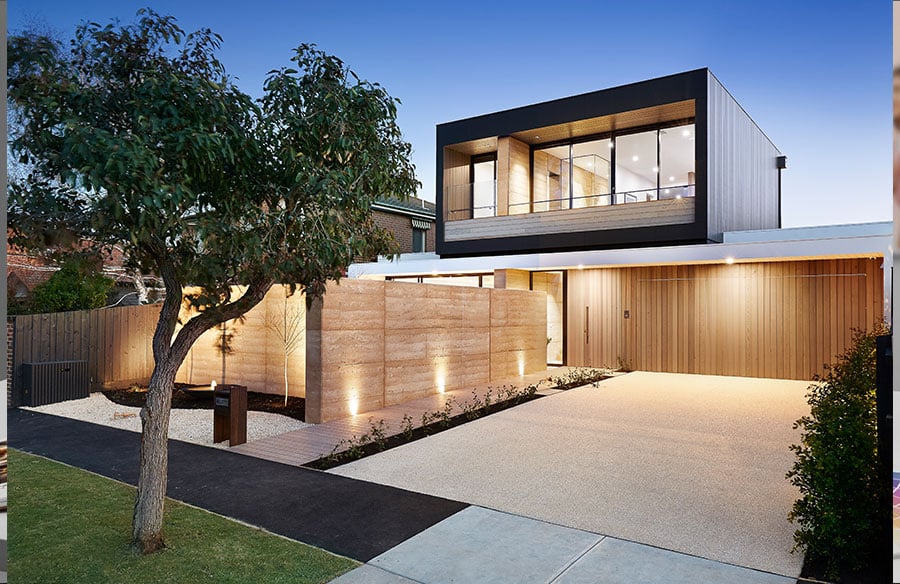
Contemporary Australian house design puts emphasis on open-plan living spaces where kitchen, dining and living areas come together. These modern homes feature raw, exposed materials in geometric forms, along with large floor-to-ceiling windows that bring the outdoors inside. Timber and tiled floors dominate the interior, while carpets are less common. Environmental consciousness stands out as many homes now include solar panels and rainwater harvesting systems to minimise their carbon footprint.
Hamptons Style: Coastal elegance meets comfort
Australian homeowners have fallen in love with the Hamptons style that naturally blends luxury with comfort. This design originated from New York’s exclusive Long Island shoreline and features distinctive white-painted weatherboard cladding, gabled roofs and large verandahs. Light streams through high-ceilinged spaces with neutral colour palettes to create an understated elegant atmosphere. Australian Hamptons homes stand out with their relaxed, casual atmosphere that suits our warmer climate and easygoing lifestyle better than their more formal American counterparts.
Scandinavian Influence: Minimalist and functional
Scandinavian design has reshaped Australian interiors with clean lines, minimalism and functional beauty. These homes feature neutral tones (whites, greys and muted beiges) that blend perfectly with natural materials like oak, wool and linen. This aesthetic creates peaceful, uncluttered spaces that complement Australia’s bright environments. Practical, versatile furniture pieces that combine style and utility have become key features in these homes.
Pavilion and Passive Homes: Sustainable and spacious
Pavilion-style homes consist of separate but connected volumes arranged as wings joined by transitional spaces such as central hallways or gallery areas. A courtyard or landscaped outdoor area usually sits at the centre, surrounded by large open-plan living spaces. Families can gather together or find private space thanks to this clear zoning design. Large windows, sliding doors and breezeways help these homes handle Australia’s climate challenges by maximising natural light and improving airflow.
Choosing the Right Style for Your Lifestyle
The perfect Australian home style comes from balancing practical needs with personal priorities. Your lifestyle needs will end up shaping your architectural choices.
Climate considerations: Queenslanders and coastal homes
Queenslander homes excel in hot, tropical climates. Their raised foundations let air flow underneath and shield against floods. These iconic high-set timber dwellings showcase wide verandahs. The verandahs extend living spaces outdoors and create much-needed shade. Coastal homes share these features. They use large windows, wide verandahs, and natural materials like timber and stone. These elements maximise sea breezes and create a refreshing seaside feel.
Family living: Bungalows and Federation revivals
California bungalows give families the space they need. Their informal floor plans put functionality first, with signature brick columns that support front verandahs. Modern family homes feature central open-plan living zones. These spaces bring families together, while private bedroom retreats sit away from main living areas.
Urban vs rural: Terraces, duplexes and detached homes
British-inspired terraced houses provide compact multi-storey living. Their bay windows and balconies make up for limited garden space. Detached homes remain a popular choice across Australia. They give homeowners privacy and versatility, ranging from modest single-storey dwellings to luxurious multi-level estates.
Renovation potential: Heritage homes and modern extensions
Heritage-listed homes must maintain their distinctive façades and street appearances. Modern extensions can still breathe new life into old properties. Popular options include “up and under” expansions for Queenslanders or bold modern additions. These changes create visual contrast while keeping the streetscape’s character intact.
Conclusion
Australian architectural styles paint a rich picture of our nation’s history, cultural influences, and how we’ve adapted to our unique climate. From Colonial Georgian simplicity to today’s sustainable designs, each era has added its own special touch to our built landscape.
You’ll find something to love in our architectural diversity. Some people love Georgian homes with their symmetrical facades, while others prefer Victorian terraces with beautiful ironwork or mid-century modern designs with seamless indoor-outdoor flow. The best style for your home depends on several key factors. Climate is the most important consideration – Queensland’s elevated structures work perfectly in tropical areas, while pavilion homes make the most of natural light and ventilation in Australian environments of all types.
Your family’s needs will shape your architectural choices. Californian bungalows attract families who want practical, open layouts. Modern designs often include separate zones that give families space to be together or apart. Location matters too – urban or rural settings naturally lead to different housing choices, from compact terraces to sprawling detached homes.
Australian architecture shines in its evolution while honouring tradition. People can renovate heritage homes with modern additions that respect original features and suit today’s lifestyle needs. Our homes showcase not just design trends but our values, priorities, and lifestyle choices.
When you’re picking an architectural style that fits your life, the perfect home strikes a balance between beauty and function. Australian architecture has always done this well by creating spaces that look great, feel comfortable, and work with our environment. This smart approach to design helps our homes evolve while keeping their distinctive Australian character.