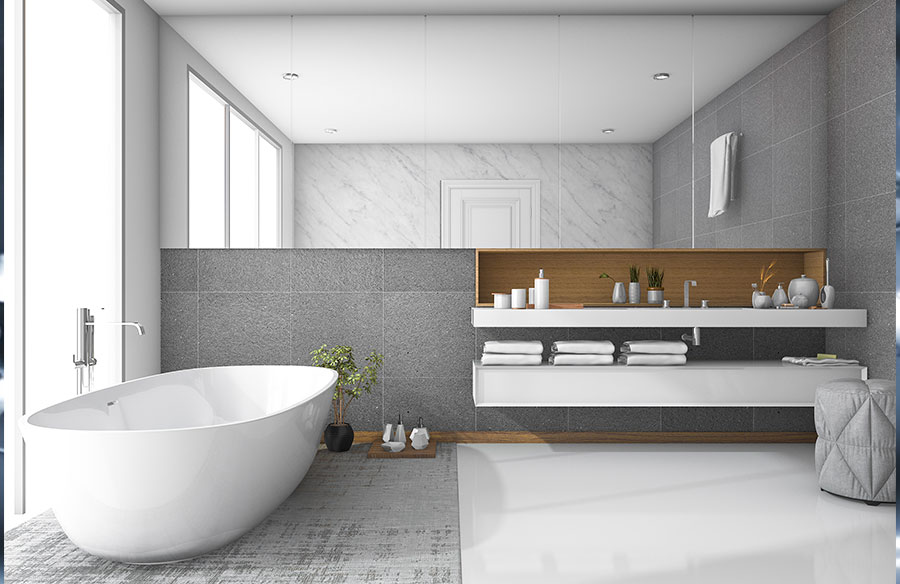
Bathrooms are no longer just functional spaces. They are evolving into personal sanctuaries that combine luxury, efficiency, and technology.
The integration of smart fittings has transformed how homeowners experience daily routines, blending innovation with design aesthetics.
As technology becomes more accessible, the question is not whether to adopt smart features, but how to incorporate them seamlessly into modern bathroom design.
The Rise of Smart Bathrooms
Over the past decade, bathrooms have quietly undergone a technological revolution.
What began with simple motion-sensor lighting and touchless taps has expanded into fully connected ecosystems.
Smart bathrooms now integrate lighting, temperature, water control, and even entertainment into cohesive systems that adapt to user preferences.
The Internet of Things (IoT) has enabled these fittings to communicate with mobile apps and voice assistants, offering a level of personalisation that was once futuristic.
Homeowners can now start a warm shower from bed, adjust lighting to match the time of day, or monitor water usage through an app.
These innovations combine practicality with indulgence, turning the bathroom into a smart wellness hub.
Key Smart Fittings Transforming Bathroom Design
Smart fittings enhance both comfort and sustainability while maintaining style. Designers and homeowners are gravitating towards solutions that simplify routines without compromising aesthetics.
Smart Showers and Taps
Modern smart showers and faucets allow users to pre-set temperature, water pressure, and duration.
They can be controlled via smartphone or voice command, creating a tailored experience each time.
Beyond convenience, these fittings also promote sustainability by limiting water waste through timed flows and eco-modes.
Intelligent Mirrors and Lighting
The mirror has evolved into a multifunctional feature. Smart mirrors display weather updates, news, or health metrics while built-in lighting adjusts automatically for grooming tasks.
Designers use layered lighting systems to complement these features, balancing function with ambience and energy efficiency.
Smart Toilets and Hygiene Systems
Smart toilets are redefining hygiene and comfort. They include heated seats, automatic lids, self-cleaning surfaces, and integrated bidets.
These innovations not only improve cleanliness but also cater to accessibility and inclusive design, offering independence to users with mobility challenges.
Water and Energy Monitoring
Advanced monitoring systems track water and energy usage in real time. They detect leaks early and provide insights into consumption patterns.
This data empowers homeowners to make eco-conscious choices and maintain long-term cost savings.
Design Integration: Balancing Technology and Style
Integrating smart fittings successfully requires more than selecting the latest gadgets. Design harmony is crucial.
Architects and interior designers focus on how to incorporate technology subtly, ensuring that cables, sensors, and control panels do not detract from the room’s aesthetic.
Minimalist designs are especially popular, with sleek materials and neutral tones that highlight innovation without clutter.
The goal is to make technology invisible, allowing the user experience to feel intuitive rather than mechanical.
Thoughtful integration ensures that technology enhances rather than overwhelms the space.
Sustainability and Smart Efficiency
Sustainability remains a central motivation behind adopting smart bathroom technology. Many fittings are designed to conserve water and energy while maintaining comfort.
Sensor taps reduce wastage by running only when needed, while intelligent lighting systems adjust brightness based on occupancy or daylight levels.
Some high-end systems integrate with renewable energy sources or smart home grids, optimising usage during off-peak hours.
These small adjustments contribute to larger environmental goals and align with the growing emphasis on green design certifications.
A smart bathroom not only feels modern but also demonstrates responsibility toward resource management.
Challenges and Considerations
While the appeal of smart bathrooms is undeniable, challenges remain. The initial cost of smart fittings can be higher than standard installations, and not all homeowners are ready for that investment.
Maintenance and software updates also require consideration, as technology-based systems depend on reliable connectivity and security.
Designers must strike a balance between innovation and practicality. A bathroom filled with excessive gadgets can feel overwhelming or dated as trends shift.
Choosing durable, upgradable fittings helps ensure long-term relevance and function. With thoughtful planning, homeowners can enjoy both luxury and longevity.
Planning Your Smart Bathroom Upgrade
Before embarking on a smart bathroom project, it’s essential to assess needs and lifestyle habits.
Some people may prioritise water-saving systems, while others seek convenience or wellness features. The layout and existing plumbing may also influence what technology is feasible.
Working with a skilled renovator ensures the integration is both attractive and functional.
They can advise on compatibility, installation, and design coherence, helping homeowners avoid common pitfalls.
Planning also allows for scalability, so new devices can be added as technology evolves.
For those starting small, upgrading one feature at a time – such as installing a smart mirror or touchless tap – can be a practical approach. Over time, these elements can grow into a cohesive smart ecosystem.
The Future of Bathroom Innovation
The future of bathroom design is centred around personalisation and well-being.
Artificial intelligence is beginning to tailor experiences based on user habits, from optimal water temperature to mood lighting that supports circadian rhythms.
Emerging innovations such as voice-activated aromatherapy systems or adaptive ventilation hint at even more immersive environments.
Ultimately, the smart bathroom of the future will balance intelligence with serenity. It will combine responsive technology with timeless design, creating spaces that nurture both body and mind.
By adopting a thoughtful approach today, homeowners can enjoy comfort, efficiency, and sustainability – while embracing what the future of bathroom design truly holds.