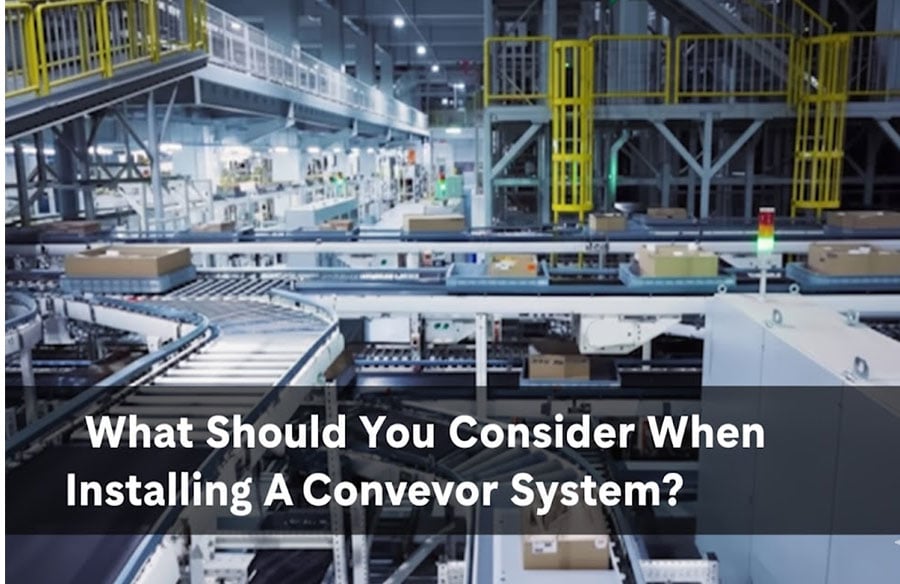
A conveyor system represents a substantial investment for any industrial or manufacturing company. It’s much more than simply transporting materials from point A to point B — it’s about increasing efficiency, safety, and reliability while reducing operational costs.
That said, a well-planned, correctly installed conveyor could easily help cut production times, lessen manual labor, and increase overall productivity. But there is more to choosing and introducing the ideal conveyor system than people realize.
Whether it’s the type of material being transported or the conditions in which the materials will be used, consideration must be given to all components to make sure you get optimal performance and safety.
Furthermore, making the wrong choice can lead to inefficiencies, frequent breakdowns, and unnecessary expenses.
Below are some critical considerations to keep in mind when installing a conveyor system.
1. Type Of Material To Be Transported
The first step in conveyor design or installation is understanding the material that the conveyor system will carry. Different materials need to be handled differently depending on their size, shape, weight, abrasiveness, and moisture content. For instance, a pneumatic or enclosed belt conveyor is a suitable option for transporting fine powders like cement or flour to minimize the generation of dust and contamination. In contrast, bulk materials such as coal, gravel, and ore are loaded with high-impact loads and abrasion.
As such, they rely on tough conveyors. The characteristics related to the material’s flow also dictate the most suitable type of conveyor. Fragile materials, such as glass bottles and electronic components, may need quick mechanical handling of a kind, such as roller or belt conveyors that have good cushioning. Sticky materials might require special cleaning devices to avoid the buildup of materials.
Choosing the right conveyor for your material will aid in delivering high-efficiency transport with minimal wear and tear while maintaining the product quality.
2. Conveyor Load Capacity
When installing conveyor systems, load capacity is another essential factor. The conveyor ought to be constructed to accommodate the maximum weight and volume expected to be experienced. Using too much power can break things and harm people. To determine the load capacity, one should evaluate the weight of the product per unit.
Likewise, the number of products placed on the conveyor from time to time, and the distance travelled by the material, should be checked. It is essential to evaluate temporary increases in the volume or weight of the material being transported. Engineers ordinarily add in their design a safety margin for all such variations.
 3. Conveyor Speed Requirements
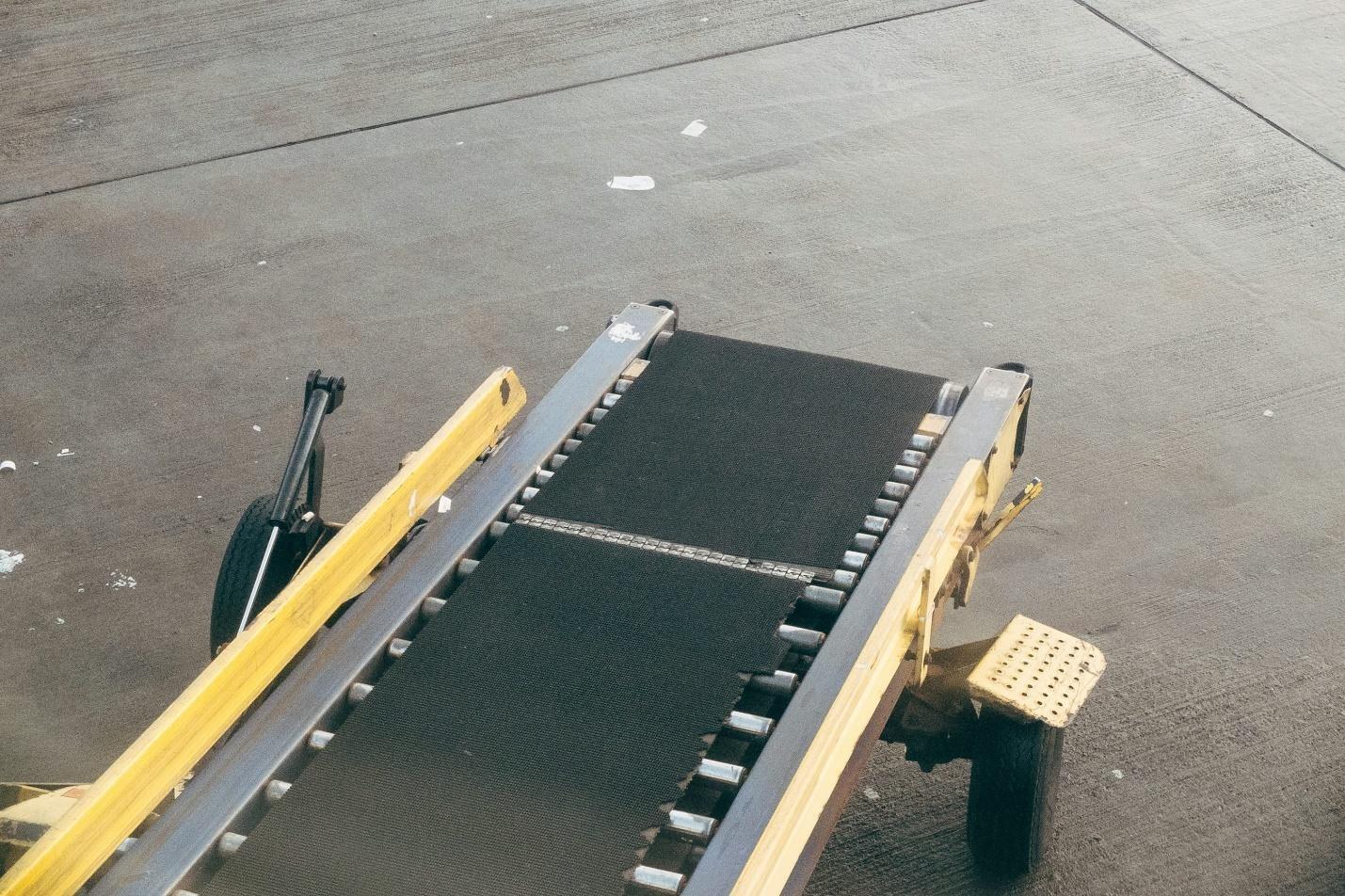
The speed of a conveyor system controls how fast the material can move in the production line. Consequently, it controls the overall throughput. The product type and production objectives dictate the conveyor speed needs and packaging requirements. High-speed conveyors are great for industries that require fast-moving operations, such as packaging or distributors, where things are moved to the next stage.
However, if products are delicate in nature and should be handled carefully, then it is subject to lower speeds. The speed at which the conveyor operates can also affect many other elements of the system, such as the drive motors, bearings, and the belts. The speed of the conveyor may have to be adjusted to ensure gear up with other plant machinery.
4. Power Supply And Energy Efficiency
The conveyor system needs a dependable electrical supply to operate efficiently. Before installation, the electrical system of the facility should be assessed for its capability to handle the system’s power requirement. Components, such as motors, drives, and control systems, are designed to run constantly, so energy efficiency becomes a key consideration. You can save a lot of power by choosing energy-efficient motors for your machines and optimising belt tension.
Moreover, shutting off power automatically during idle times also saves power. Variable frequency drives (VFDs) are also a great option that allows changes in speed based on load requirement, which helps save energy.
Sometimes regenerative drives can capture energy created while braking and reuse that energy. Businesses can lower operational costs, prolong the lifespan of equipment, and lessen their impact on the environment by selecting energy-efficient parts.
 5. Safety Requirements And Regulations
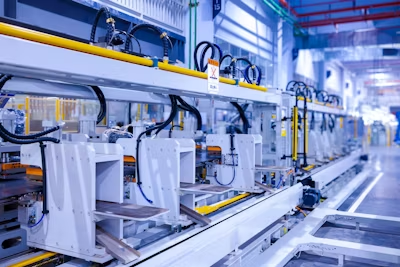
When installing a conveyor system, the most crucial factor to keep in mind is safety. Machines that have moving parts, like conveyor systems, can be very hazardous if unguarded or poorly maintained.
You should meet the relevant safety standards at home and away, like the OSHA or ISO rules, to protect workers and stop accidents. Install guarding, emergency stop switches, and warning signage in all high-risk zones. It is also essential to conduct a routine inspection and maintenance exercise to highlight safety issues before they cause any harm. Workplace safety can also be achieved by training operators on safe operating procedures and emergency procedures.
Also, the installation of sensors and controls that can shut the conveyor down when a jam, overload, or malfunction is detected. Focus on safety to protect employees and reduce your company’s downtime and liability.
 In Conclusion
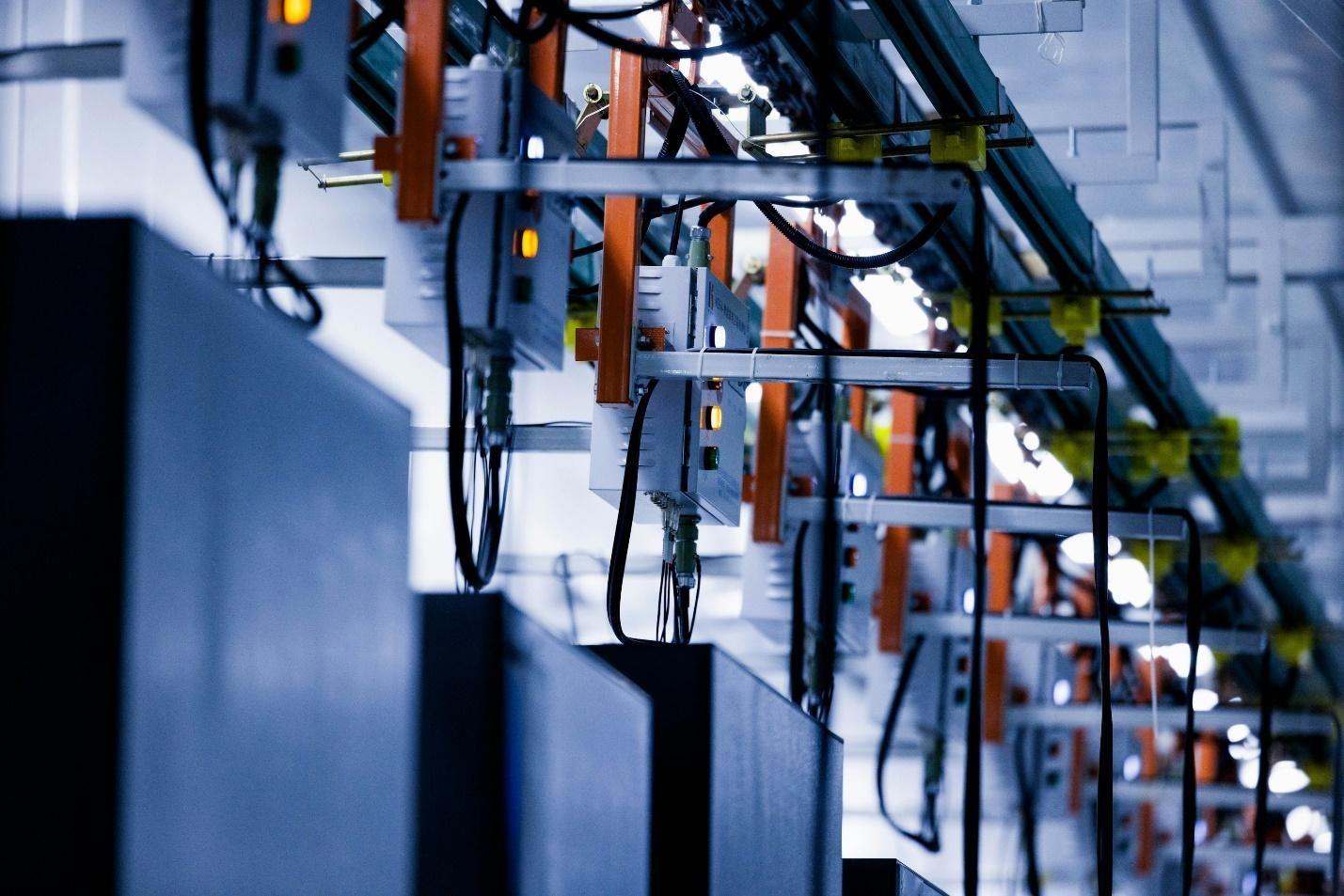
Choosing the right equipment is not the only thing you need to do to install a conveyor system. You need to consider numerous other factors that influence performance, safety, and efficiency—figuring out which material, load, speed, space, power, environment, and safety each can help create a well-integrated and reliable system.
A well-designed conveyor will improve workflow, enhance productivity, and reduce operating costs and risks. When businesses think about these things before installing a conveyor system, that conveyor system should do its job reliably and safely for years, delivering great value.