We paint walls, choose furniture, and hang art, yet often treat the doors as mere functional flaps. This is a missed opportunity. Interior doors are not just passageways; they are moving walls, silent influencers of light, sound, and style. Their selection can either harmonize your home’s aesthetic or create a jarring disconnect. Choosing the right types transforms a collection of rooms into a cohesive, thoughtfully composed environment where every element, even the ones that swing, contributes to the story.
Establishing a Cohesive Foundation
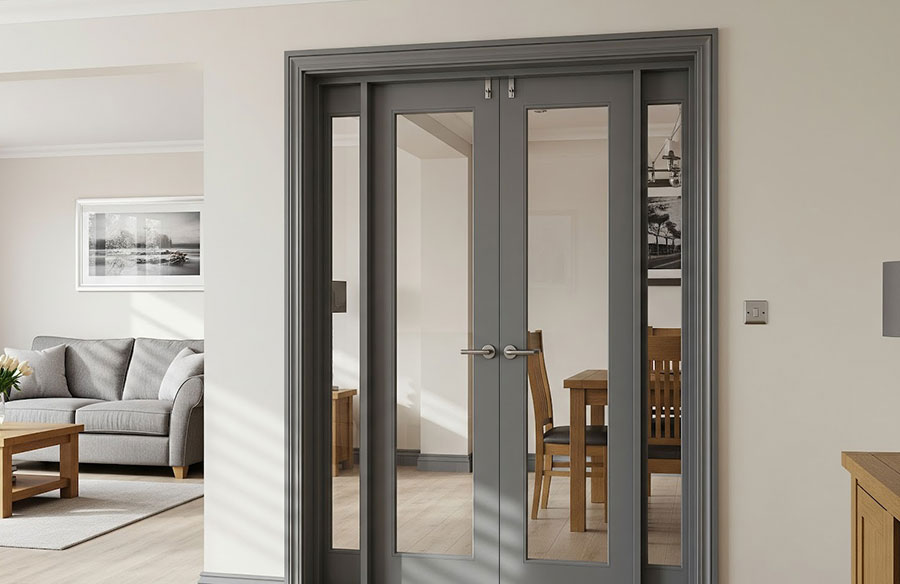
Before exploring specific styles, establish a unifying principle. Consistency often creates a sense of calm and intentionality. Using the same door design throughout a hallway or floor builds a visual rhythm. Alternatively, you might select a consistent material, like painted wood, but vary the panel details from room to room for subtle differentiation. For areas where maintaining a visual connection or borrowing natural light is crucial, consider integrating internal doors with glass panels. This approach balances separation with an open, airy feeling, preventing spaces like home offices or living rooms from becoming dark, isolated boxes.
The Enduring Appeal of the Panel Door
A true classic, the panel door offers structure and depth. Its design, featuring recessed or raised rectangles, brings a traditional, crafted character to a space. You’ll find them with two, four, or six panels, each configuration carrying a slightly different weight and period feel. Modern iterations might play with the depth of the panels or use sleek, flush designs for a more contemporary interpretation. Their strength lies in versatility; they feel at home in everything from a colonial revival to a minimalist farmhouse setting, providing texture without overwhelming other decor.
Sleek and Seamless Modernity
For a clean, uninterrupted aesthetic, slab doors present a powerful solution. These are single, flat surfaces without any raised or indented detailing. Their minimalist nature makes rooms feel larger and less cluttered, acting as a quiet backdrop that lets your furniture and art take center stage. They can be painted any color, from bold accent hues to muted tones that blend with the wall, or even finished with a wood veneer for warmth. This style is the definitive choice for mid-century modern, industrial, or any home that prioritizes sleek, architectural lines.
Creating Flow and Spaciousness
When the goal is to connect areas visually while still providing a physical barrier, glazed doors are unparalleled. They are champions of light, allowing it to filter through your home and brighten interior hallways. A French door, with its full-length glass panes, creates an elegant, open connection between a living and dining area. Smaller, geometric glass inserts can add a decorative Art Deco flair. Frosted or textured glass options maintain privacy for bathrooms or pantries while still preserving that essential luminous quality, ensuring no space feels like a dark cave.
The Practical Elegance of Pocket Doors
Sometimes, the most significant style statement a door can make is to disappear entirely. Pocket doors slide seamlessly into a cavity within the wall. This brilliant space-saving solution is perfect for tight areas like bathrooms or closets where a swinging door would obstruct traffic or furniture placement. Beyond pure function, they offer a sleek, modern look, creating clean sightlines and an unbroken flow between adjoining rooms. Installing one feels like a clever architectural secret, maximizing your square footage with intelligent, unobtrusive design.
Making Your Final Selection
How do you decide among these compelling options? Listen to the needs of each specific room. Does it require sound insulation, or is visual connection more important? Should it stand out as a feature, or recede quietly into the background? Your home’s overarching architectural style provides the final, guiding framework. The perfect interior doors feel less like installed components and more like inherent parts of the structure itself, moving with grace and purpose to define the beautiful, functional landscape of your daily life.