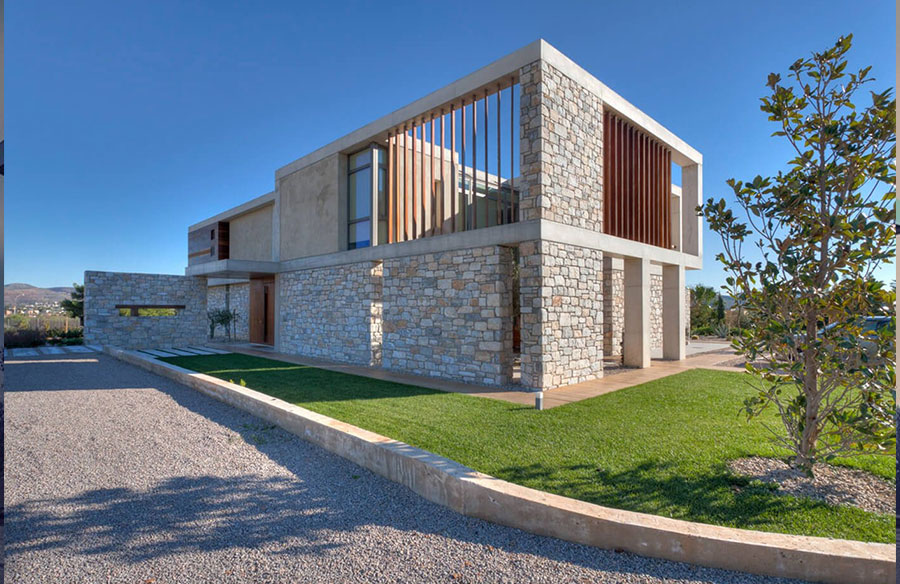
In an age dominated by 3D printing, prefabricated panels, and composite materials, traditional masonry might seem like a nostalgic relic of the past. Yet across the architectural world, there’s a growing revival of craftsmanship — a renewed appreciation for the tactile, timeless, and enduring qualities of brick and stone. This movement isn’t about resisting progress; it’s about rediscovering the balance between innovation and tradition.
A Heritage of Strength and Beauty
For centuries, masonry has defined the built environment — from intricate stone cathedrals to sturdy brick townhouses. Its appeal lies not just in its strength, but in its artistry. Each wall tells a story shaped by material, proportion, and the hands that built it.
Modern architects increasingly recognize that the authenticity of masonry cannot be replicated by synthetic alternatives. The weight, texture, and thermal mass of natural materials bring depth and longevity to design in ways that modern cladding systems often can’t achieve.
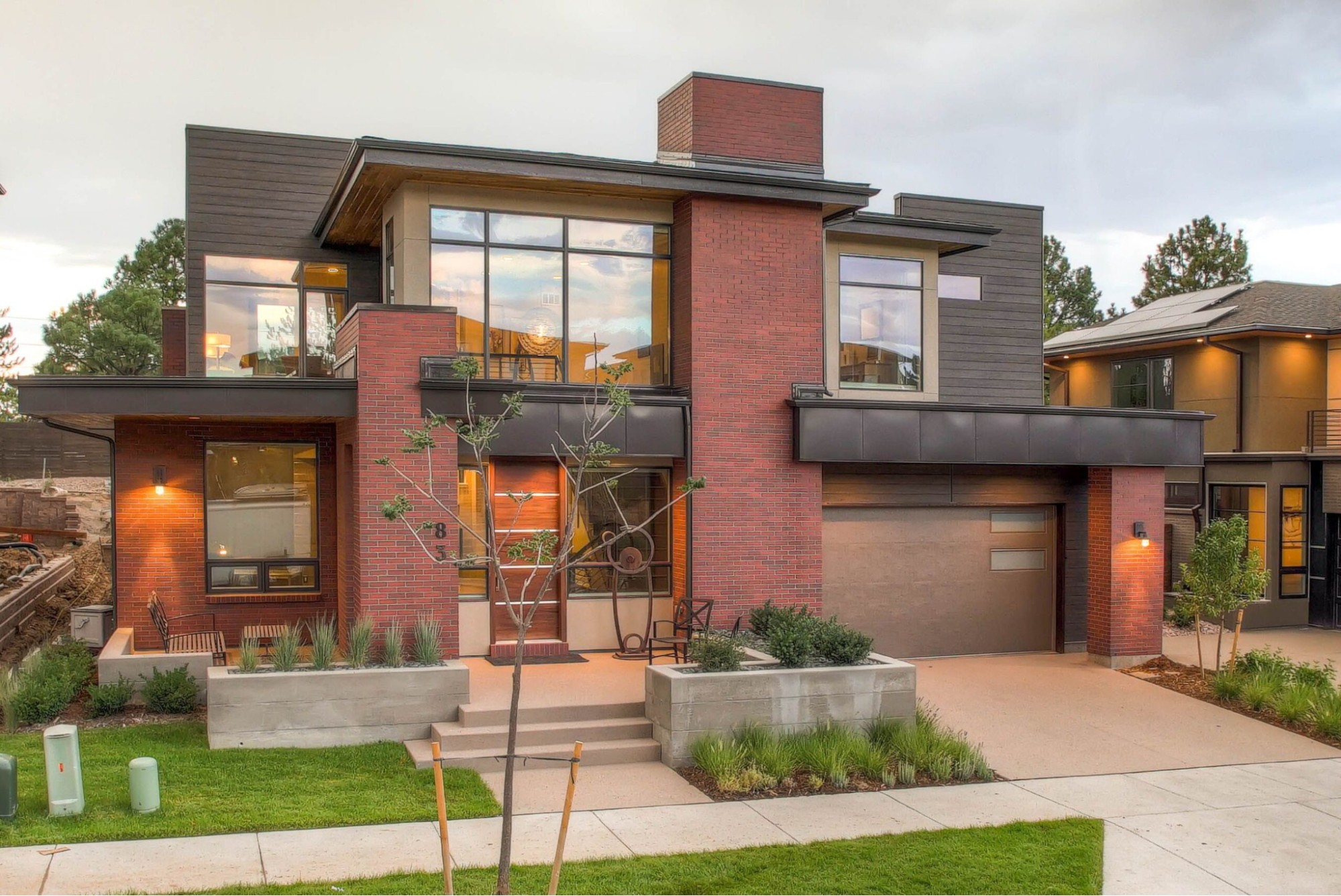 Modern Design Meets Time-Honored Craft
Today’s architecture celebrates minimalism, yet the tactile warmth of brick and stone brings balance to glass and steel. Traditional masonry now thrives in modern contexts through adaptive techniques — breathable mortars, advanced insulation layers, and hybrid façade systems — allowing historic materials to meet contemporary performance standards.
Architects collaborating with experienced masonry contractors in New Jersey often find that blending traditional craftsmanship with modern precision yields results that are both structurally sound and aesthetically timeless. This partnership between designer and craftsperson keeps architecture grounded in authenticity while embracing innovation.
Sustainability Through Longevity
Masonry’s environmental advantage lies in its permanence. Properly built stone and brick structures can endure for centuries with minimal maintenance, reducing the waste and energy costs associated with frequent replacement. Natural materials like clay and stone are recyclable, non-toxic, and provide excellent thermal performance — aligning perfectly with today’s demand for sustainable, low-impact design.
Longevity is one of the most overlooked aspects of sustainability. Each generation that continues to use and adapt a masonry structure proves that true sustainability comes from building to last.
Preserving Skills, Inspiring the Next Generation
Even as technology reshapes the construction industry, the precision and artistry of masonry remain irreplaceable. The craft requires intuition — understanding how each unit bears weight, how mortar breathes, how joints age gracefully over time.
Many design schools and firms are reintroducing hands-on craftsmanship training, ensuring that digital innovation is matched by material understanding. This continuity between generations of builders preserves the soul of architecture and ensures that traditional knowledge continues to inform contemporary design.
The Future Is Built on Tradition
Masonry endures because it connects innovation to heritage. It offers permanence in a transient age and teaches that progress does not always mean abandoning the past.
As architects look for ways to create sustainable, meaningful, and beautiful spaces, the revival of traditional masonry reminds us that the future of design is strongest when it stands on the foundations of craftsmanship.