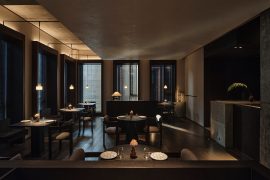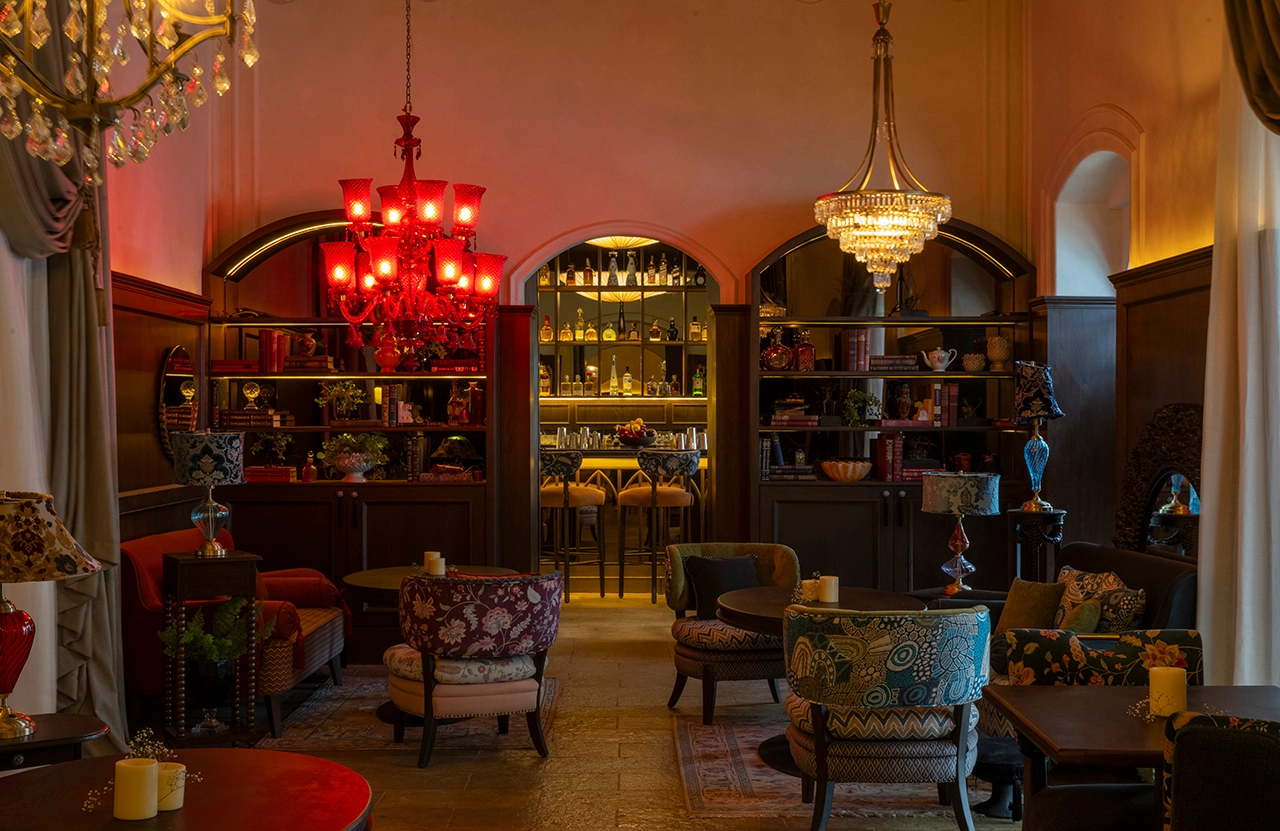
Housed within a meticulously restored 115-year-old villa in Moira, Isprava’s Solene is a private members’ club where layered heritage and understated luxury converge with quiet conviction.
Project Name: Club Solene
Studio Name: ARA Designs
Location: Goa
Date of Completion: 2025
Total area: 10,000 sq. ft
Lead Designer(s): Amey Dahanukar
Photography credits: Isprava
Set in the languid village of Moira in North Goa, where time drifts like light through banana foliage and the landscape holds its breath in tropical stillness, the villa has been gently reanimated. Solene unfolds as an inhabited archive: a place where past narratives, present sensibilities, and future possibilities coexist in calibrated dialogue, revealing themselves with the intimacy of a well-kept journal.
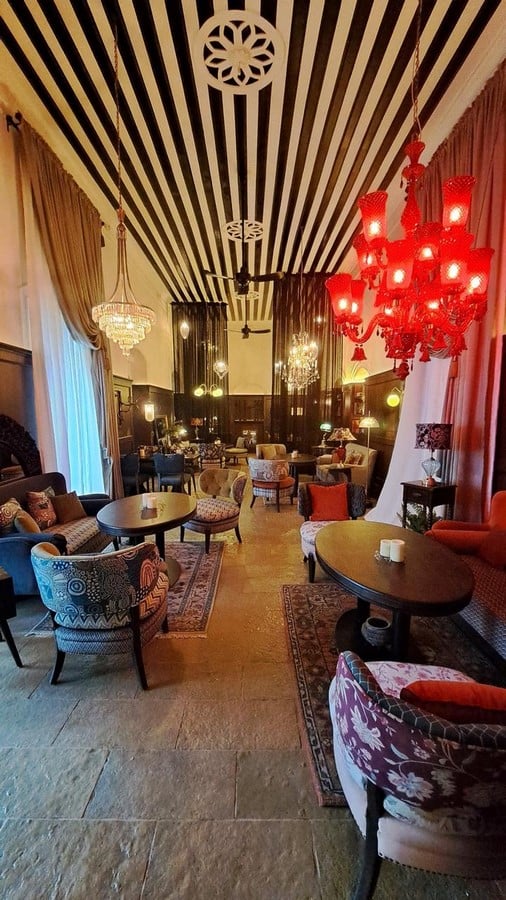
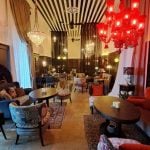
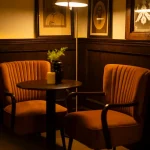
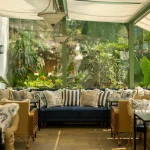
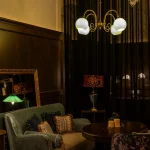
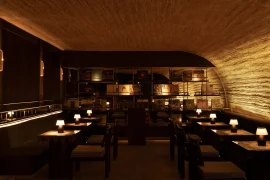
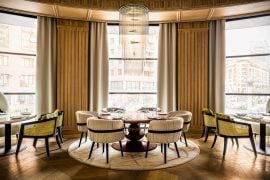
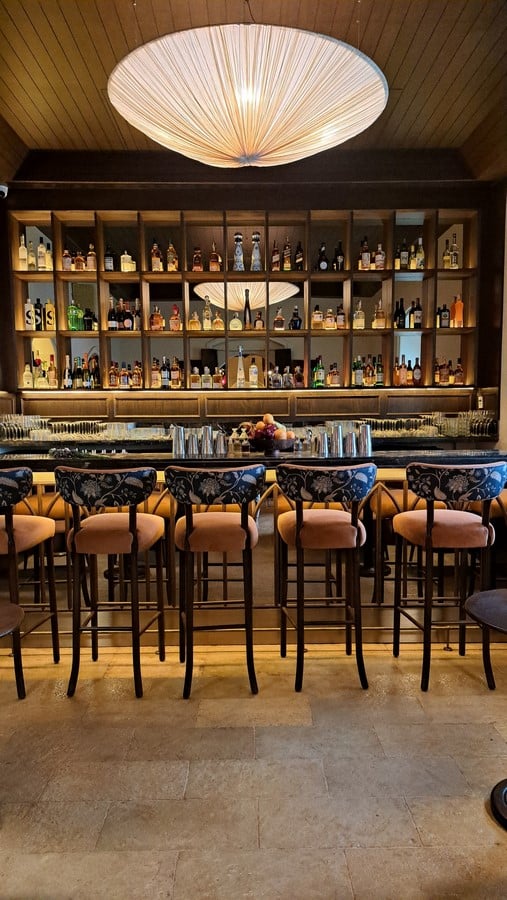
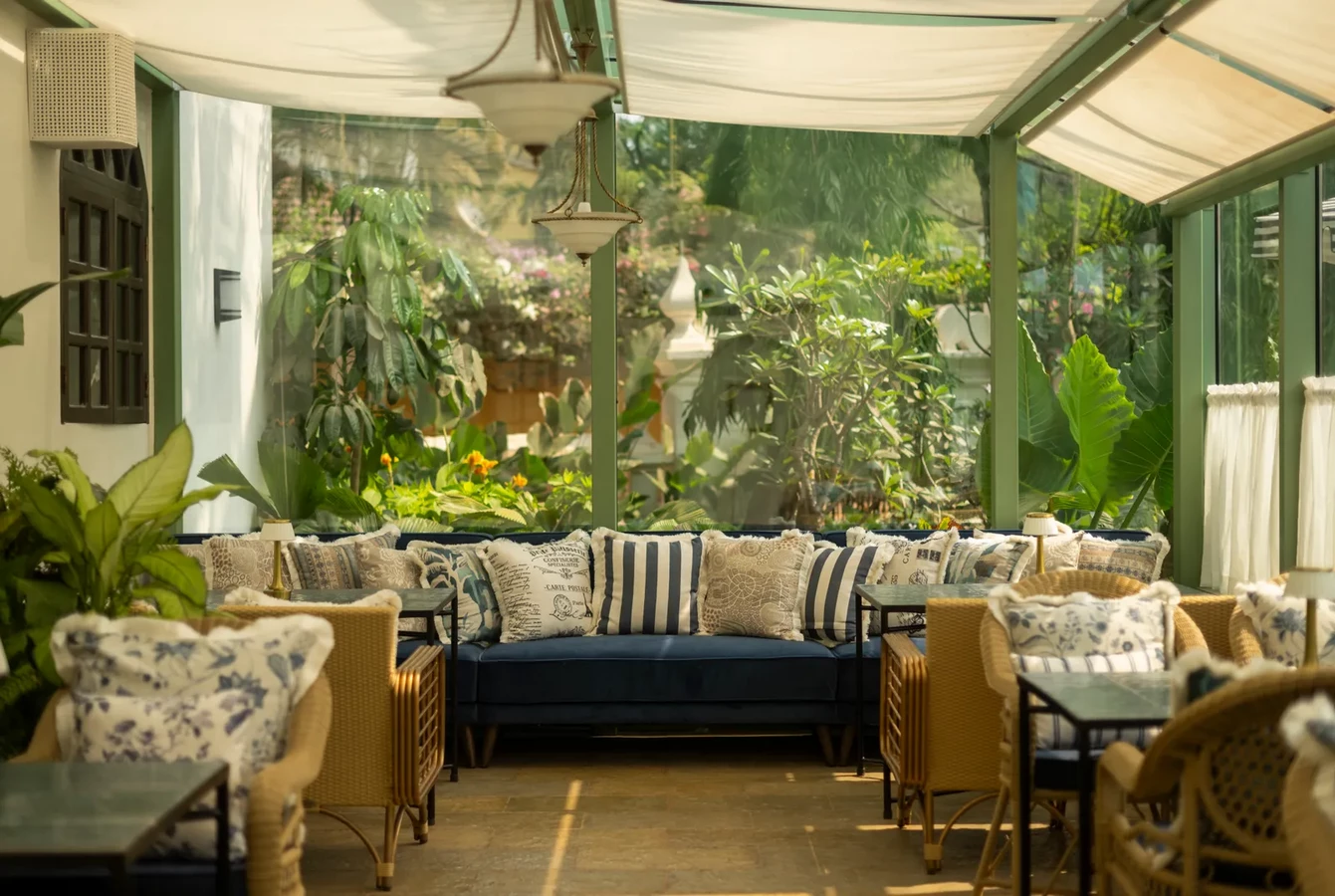
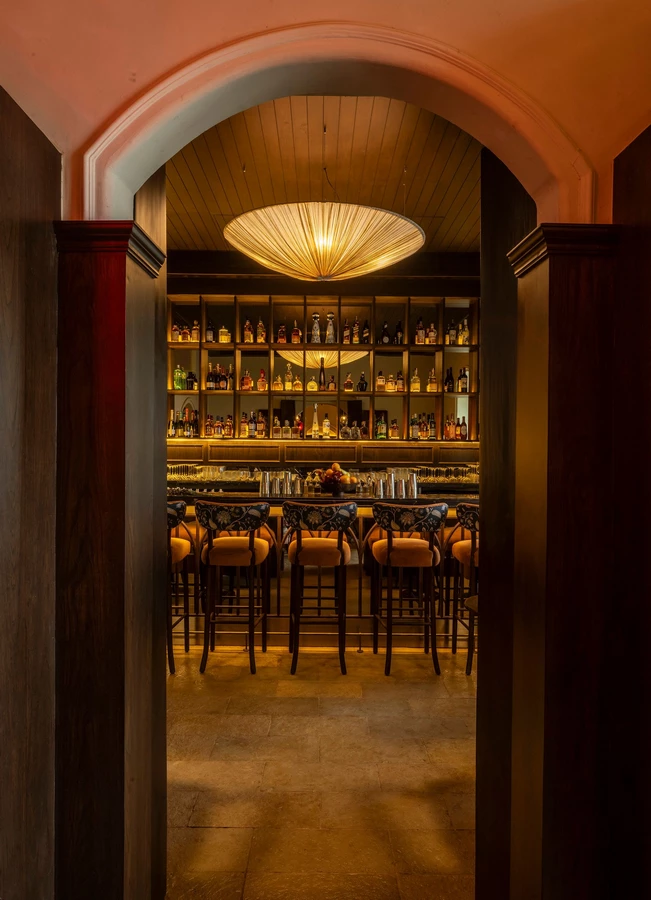
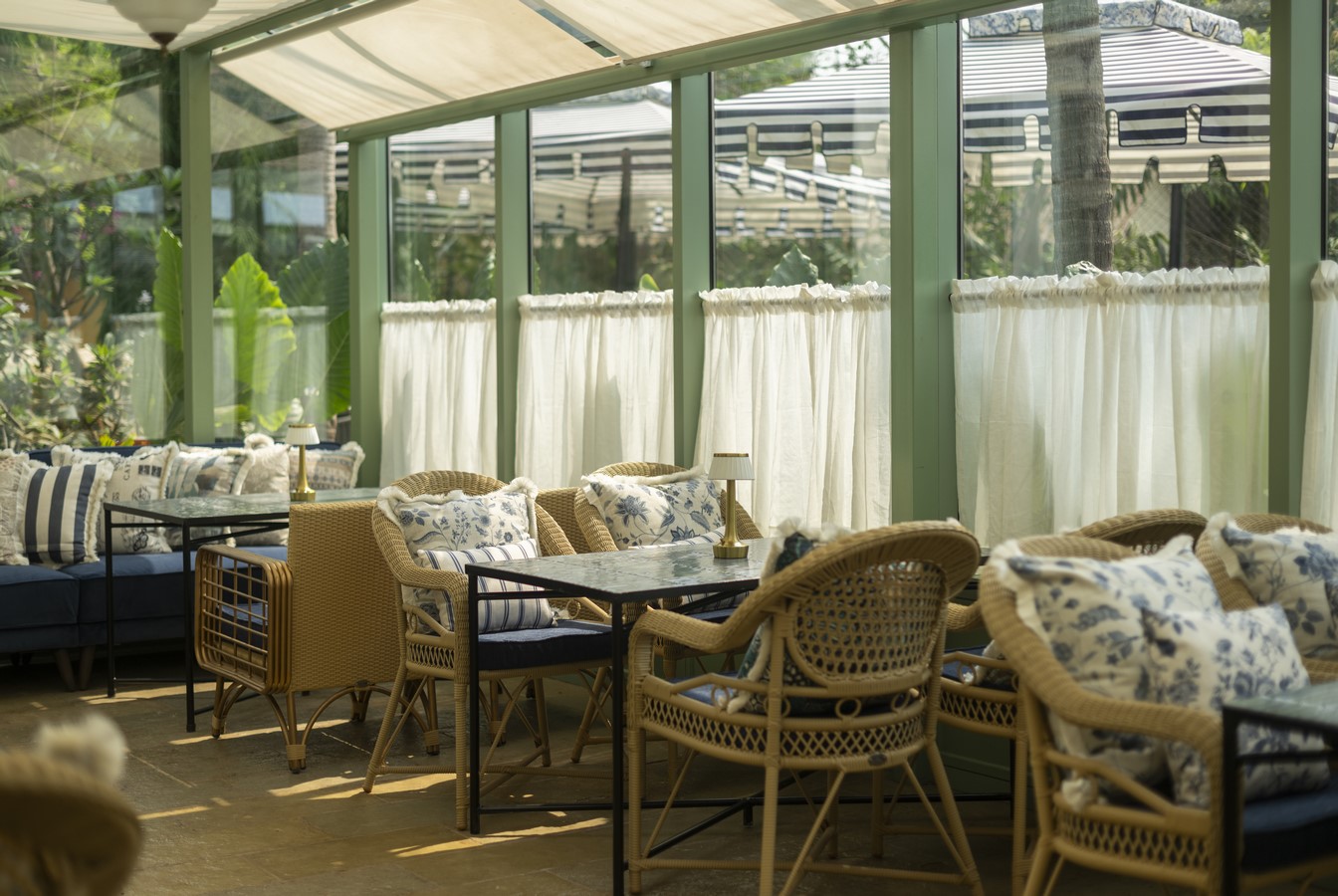
Arrival is the first act. The original entrance, preserved in its architectural integrity, opens into a succession of carefully composed spatial vignettes. The Member’s Lounge, once the family’s “salete,” a formal parlour just off the threshold, is reimagined as a vaulted repose where vintage silhouettes converse with generous ceiling heights and light tempering the room like a lived-in reverence. A few steps beyond, Bar 507 resides in chiaroscuro: sultry, low-lit, a place where glass, shadow, and the quiet clink of conversation conspire to slow time. Then, with a deliberate and almost choreographed shift, the sequence unfolds into the Orangerie, an airy glass pavilion embraced by tropical verdure, its filtered daylight, and botanical edges framing long, unrushed brunches and afternoons folded into reading.
This orchestration of atmosphere is intentional. Each chamber articulates its own temperament: a distinct cadence of light, material, scent, and sound that steers movement not merely through volume and form, but through felt experience. One moment, you are held in the hushed depth of shade; the next, you are washed in the warm geometry of sunlight, as if the architecture itself breathes in measured intervals.
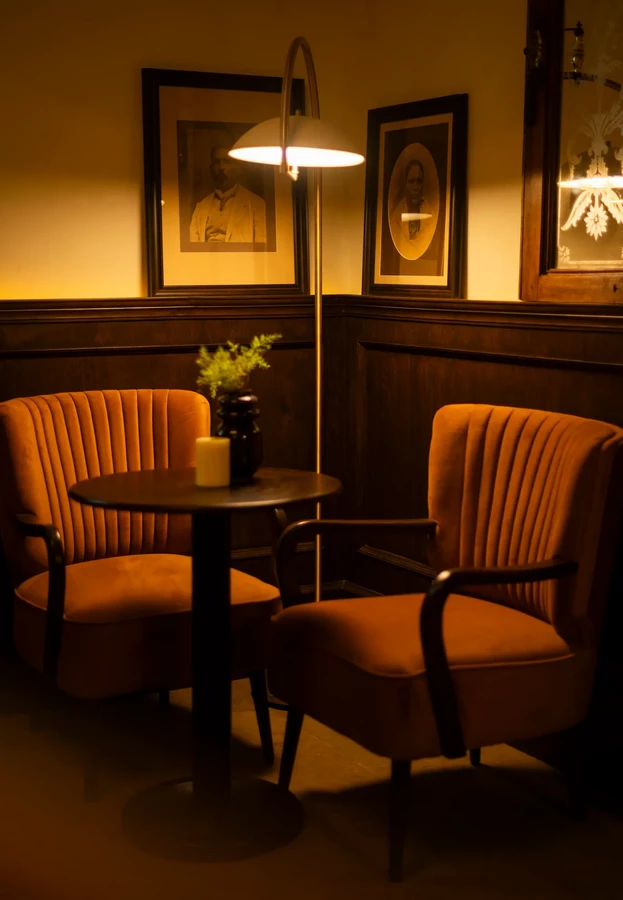
Luxury here is not loud; it is calibrated, quiet, and tactile. Linen and velvet upholstery wears like second skin. Burnished brass, reimagined in unexpected gestures, such as walking sticks repurposed as door handles, catches fleeting glints of sun. Lace-edged cushions, sourced from family heirlooms and local craftsmen, soften the edges between curated refinement and familiar comfort.
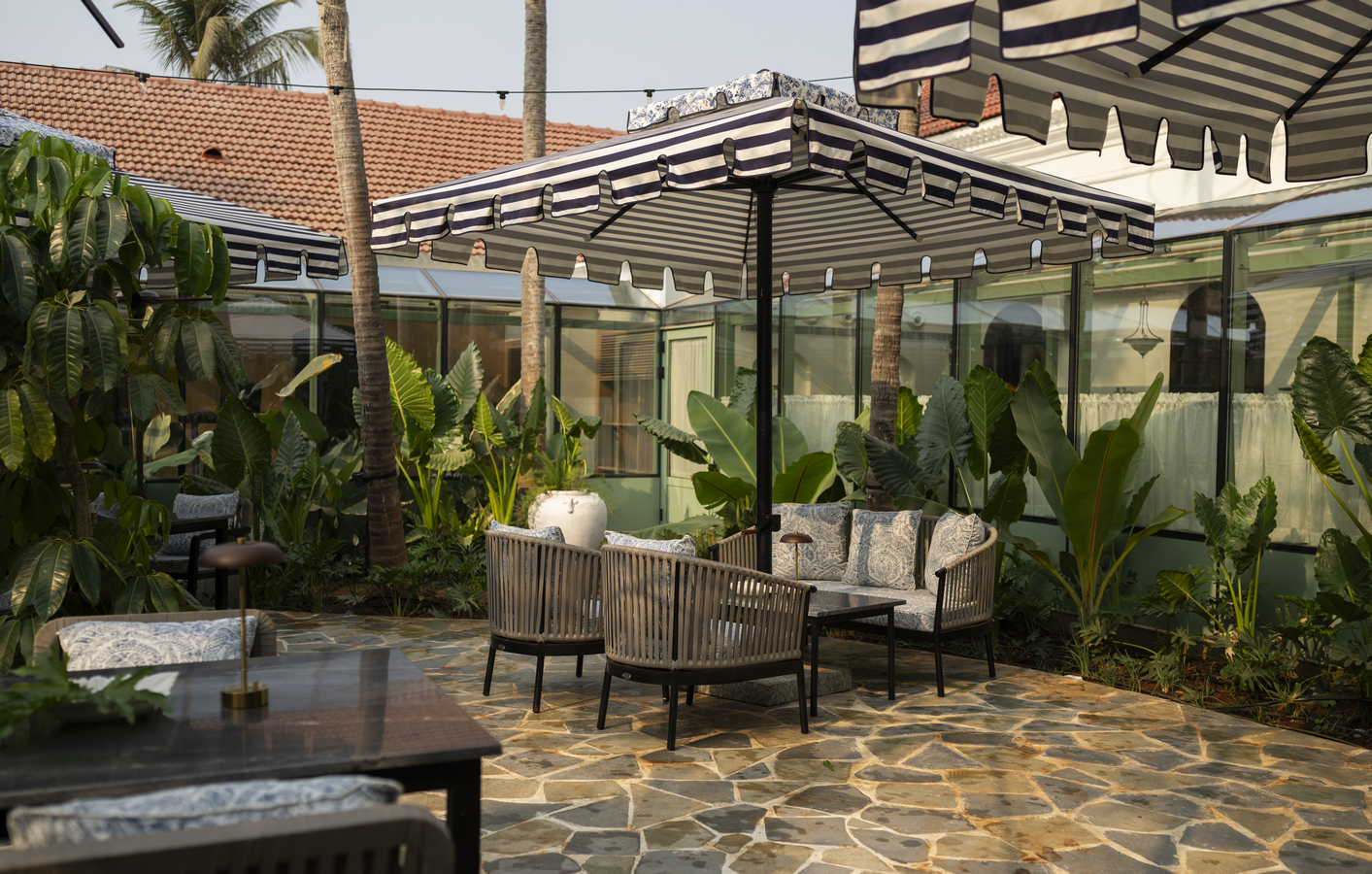
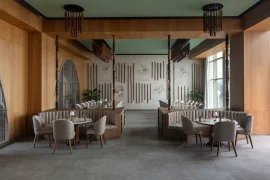
That sensibility permeates every programmatic layer. Nariyal, the club’s restaurant, stages a menu of vibrant comfort, served within rooms that feel both composed and inhabited, where hospitality is both precise and porous. The wellness enclave, carved from the former dining hall, folds fitness and ritual together: a gym, sauna, and cold plunge existing within adaptive spatial memory. The erstwhile cowshed has been transformed into Clementina’s Garden, a shaded outdoor dining retreat punctuated by umbrellas and gentle breezes.
Even the smallest gestures are given thoughtful architecture. A former bike garage has been repurposed as the Toddlers’ Outhouse, an enclave of scaled joy with child-sized furniture and sunlit alcoves. A nearby pickleball court quietly signals play, a nod to the club’s layered spontaneity.
Anchoring the narrative are the intimate, memory-laden details: the original altar in the restaurant, the preserved flooring in the lounge, the family grotto in Filomina’s Garden. Place names, from Julia’s Garden to Bar 507, are more than signifiers; they are embedded with lineage, many honouring women of the de Souza family, rooting the club’s identity in personal histories.
Despite its vast expanse, Club Solene retains an intimacy born of reciprocity with its context. Its architecture is not insular but woven into Moira’s cultural rhythm. Local artisans, chefs, and storytellers are collaborators, not guests. Moira itself, one of North Goa’s more contemplative corners, has long held a subtle transformation. Once a refuge for artists and generational locals, it now draws those seeking intentionality over ostentation: not just second homes, but recalibrated ways of living. Club Solene enters this landscape not as an imposition but as an accretion: a community locus that privileges rhythm over ritual, depth over pretense.
To call it a club is to understate its ambition. There are no velvet ropes, no prescribed codes, only spaces designed for slow breakfasts in the Orangerie, lounges crafted for lingering, and patios where afternoons extend like a held breath. It does not seek to dazzle; it disarms. It reads less like a membership venue and more like a shared, evolving living room.
Its constituency mirrors that ethos: a composite ecosystem of homeowners, seasonal guests, local collaborators, creatives, neighbors, and entrepreneurs bound by a shared tempo. That collective sensibility is not simply programmed, it is embedded in the very restoration, in choosing to conserve and amplify what was already here rather than overwrite it.