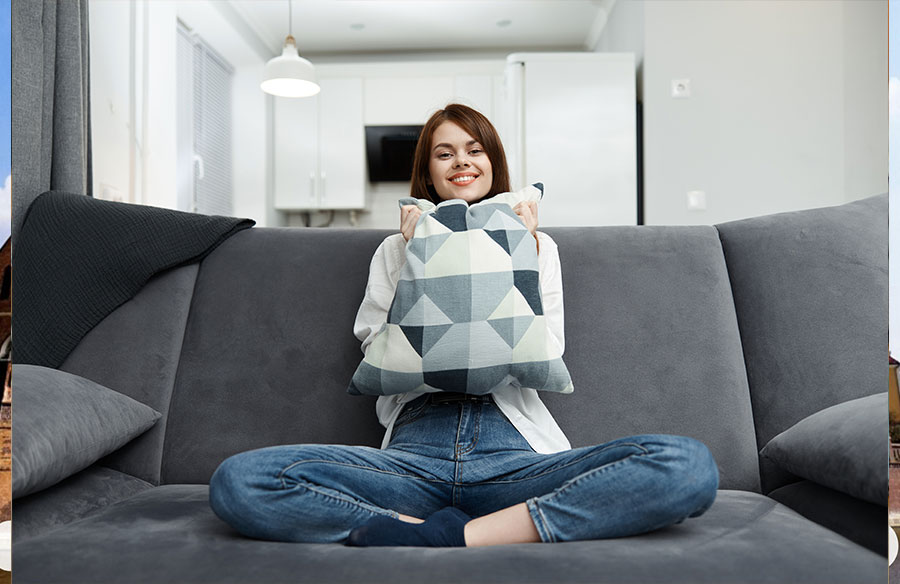
Comfort is one of the quiet ambitions of good design. It shapes how people experience their surroundings and how they connect to the spaces they live in. Yet comfort is not simply softness. It is structure, proportion, and balance, a geometry that supports both the body and the eye. Cushions play a vital role in this equation. They bridge the gap between ergonomic support and visual harmony, offering rest without disrupting design intent.
Modern interiors often focus on clean lines and minimal form, but without careful attention to comfort, such precision can feel incomplete. The best-designed cushions transform static furniture into adaptable, human-centred forms. They help distribute weight evenly, reduce strain, and create visual continuity, enhancing the flow of a room.
The Science Behind Comfort
Every shape has a purpose in cushion design; the angle, density, and contour of filling influence how the body settles into rest. A cushion that is too soft can cause imbalance, while one that is too firm resists natural posture. Ergonomic design seeks the midpoint, where the material supports without pushing back.
The human spine maintains natural curves that need balanced resistance. Cushions that align with this promote relaxation without fatigue. Designers often use layered structures, soft on the surface, stable at the core, to achieve this effect. Such construction maintains posture while providing comfort, allowing extended sitting without strain.
Material selection also matters. Natural fibres breathe and adjust to temperature, while advanced foams and recycled blends retain shape over time. The right filling ensures that comfort remains consistent, not momentary.
Proportion and Spatial Balance
Cushions influence the perception of space as much as they affect the body. Large, structured cushions add definition to minimal furniture, while smaller, flexible ones encourage informality. Their dimensions affect not only comfort but also visual rhythm.
In interior composition, geometry governs flow. A single oversized cushion can ground a space, while a series of smaller ones can create movement. The relationship between cushion shape and furniture form determines how the room feels stable, relaxed, or dynamic. When arranged thoughtfully, cushions guide the eye as much as they support the body.
Balance is achieved when geometry and material complement each other. A round cushion softens angular furniture. A square one reinforces order. This conversation between form and comfort defines a room’s spatial identity.
Ergonomics and Daily Function
Ergonomic design has moved beyond the workplace. Homes are now designed for long hours of sitting, reading, or working. Cushions make this transition easier by adapting static furniture to human movement.
Different zones of the home demand different ergonomic responses. Lounge areas benefit from softer support that encourages relaxation, while study or dining areas require firmer, posture-oriented cushions. Understanding how the body interacts with these surfaces ensures that comfort does not compromise structure.
Cushion thickness also plays a role in ergonomics. Too much height can lift the body away from proper support, while too little allows the frame beneath to create pressure points. The most effective designs distribute weight evenly and maintain alignment through thoughtful proportion.
Texture, Touch, and Visual Clarity
Softness can be felt and seen. The surface texture of a cushion shapes how people perceive comfort even before sitting down. Smooth cotton or linen conveys order and freshness, while textured boucle or woven wool suggests warmth and depth. These sensory cues prepare the body to relax.
From a design perspective, texture adds dimension without clutter. It provides a visual break in structured settings and ties together contrasting materials, such as leather or wood. The key lies in moderation. Overly detailed surfaces can distract, while plain fabrics risk sterility. The right texture sits between calm and character.
Colour supports the same balance. Neutral tones enhance serenity and continuity, while darker shades anchor visual weight. The combination of tone and texture defines the room’s personality, shaping both atmosphere and comfort.
Sustainability and Longevity
Modern cushion design increasingly considers environmental impact alongside aesthetics. Sustainable materials, such as organic cotton, recycled fibres, or plant-based foam, support long-term comfort without compromising ethics. Quality craftsmanship also extends the lifespan of each piece, reducing waste and encouraging mindful consumption.
Durability contributes to comfort in its own way. A cushion that maintains shape over years of use provides emotional reassurance as well as physical support. Regular care, gentle cleaning, airing, and rotation keep the form stable and the materials resilient.
Thoughtful design is not only about how a product feels but also how long it continues to serve. Longevity becomes a form of respect for both craft and environment.
Form Meets Function in Modern Design
As interiors become more multifunctional, the role of cushions grows more dynamic. They adapt to different postures and purposes, supporting both structure and expression. In small homes or flexible living spaces, cushions transform rigid furniture into versatile elements that move with the rhythm of daily life.
This adaptability also affects how design is perceived. A well-placed cushion can change the geometry of an entire setting. It can redefine proportion, introduce softness, or bridge the gap between decorative and functional elements. Through small adjustments, it turns furniture into a personal experience rather than a fixed object.
Conclusion
Cushions are often treated as finishing touches, yet they embody the essence of thoughtful design. Their geometry influences posture. Their texture defines atmosphere. Their presence shapes how people live and move within a space.
Modern cushion design blends ergonomics and aesthetics into one seamless experience. It acknowledges that comfort is both physical and visual, measurable and emotional. The best interiors reflect this understanding, balancing structure with softness to create harmony that lasts.
For readers interested in how design continues to evolve toward both human comfort and visual clarity, Shopica highlights examples of craftsmanship that blend proportion, sustainability, and tactile beauty in contemporary living.