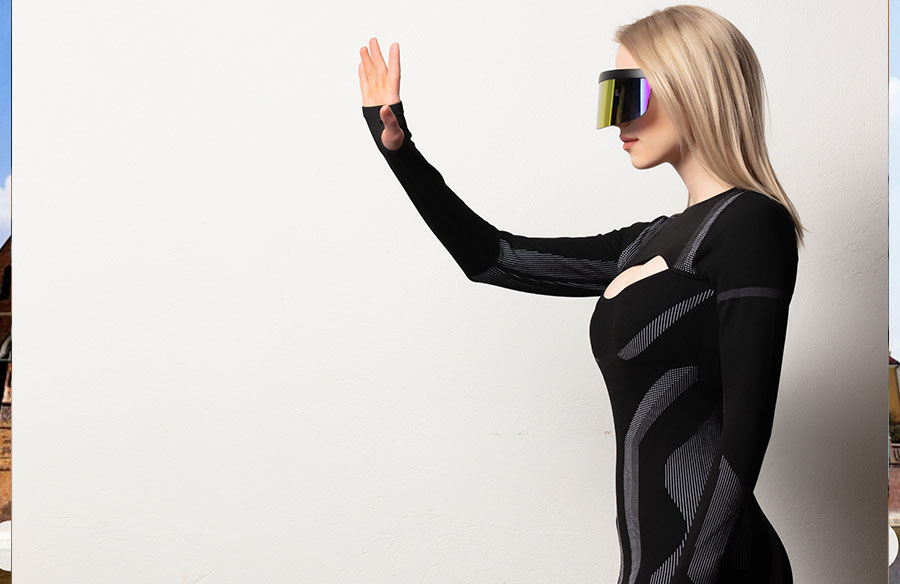
Once, fashion and technology lived in separate worlds. One revolved around aesthetics, craftsmanship, and cultural expression; the other, around innovation, function, and problem-solving. But today, the line between the two is blurring fast. From wearable tech that tracks our health to smart fabrics that adapt to the environment, fashion is entering a new era where style meets intelligence.
This isn’t just about gadgets sewn into clothing — it’s about reimagining how we interact with what we wear. As technology integrates more seamlessly into design, clothing is evolving from static objects into dynamic, responsive experiences.
The Rise of Wearable Technology
Wearable technology has moved far beyond fitness trackers. Smartwatches, AR glasses, and biometric clothing are redefining how we think about accessories and apparel. Health-monitoring garments can track heart rate, posture, and hydration levels in real time. Meanwhile, designers are collaborating with engineers to create pieces that are both functional and beautiful.
The result is a new category of fashion — one that’s just as at home on the runway as it is in a tech lab.
Smart Fabrics: Clothing That Responds
Imagine a jacket that adjusts its temperature automatically, or a dress that shifts its hue based on your mood or lighting. Smart fabrics are making these ideas real through conductive threads, embedded sensors, and responsive materials.
These innovations are changing how clothing behaves. Athletic gear can monitor performance seamlessly. Medical garments can provide continuous health feedback. Fashion pieces can become interactive canvases. The fabric itself is becoming the interface.
Designers Are Thinking in Code
One of the most exciting shifts is the way designers now approach technology as a design element, not an afterthought. From dresses that light up in sync with music to brainwave-reactive accessories, fashion is moving into a space where creativity and circuitry coexist.
Runways are becoming immersive experiences, where data, movement, and materials blend into something entirely new — half couture, half code.
Where Ideas Begin to Trend
Before fashion-tech hits the mainstream, it often starts as a whisper — an experiment in a studio, a concept garment, a niche collaboration. These early sparks don’t usually break on luxury catwalks; they surface in creative corners of the internet where cultural observers dissect and amplify them.
It’s often on sites like redandwhitemagz.com that these ideas find their first spotlight. Think of it less like a news feed and more like a cultural radar, picking up the signals from where art, fashion, and technology quietly intersect. From there, trends ripple outward — into mainstream fashion houses, tech innovation hubs, and ultimately, our closets.
Sustainability Through Innovation
Beyond aesthetics, fashion tech has the potential to drive major sustainability improvements. Traditional manufacturing is resource-heavy and wasteful. Technology offers ways to do more with less:
- On-demand production using 3D printing and automated weaving reduces excess inventory.
- Smart textiles can track wear, helping brands design longer-lasting garments.
- Virtual fitting rooms powered by AR help minimize returns and shipping waste.
Innovation isn’t just making fashion smarter — it’s making it more responsible.
The Consumer Experience Is Transforming
Buying clothing in the future may feel less like a simple transaction and more like acquiring a personal device. Imagine updating your jacket’s firmware, personalizing fabric patterns via app, or integrating your shirt’s sensors with a health platform.
Designers are beginning to think like UX architects. Consumers are starting to view their wardrobes less as static collections and more as evolving ecosystems.
New Frontiers, New Questions
With these changes come important questions about privacy, accessibility, and ethics. Wearables and smart garments collect data, which must be handled responsibly. And as with most emerging technologies, accessibility is a concern — will these innovations be available to everyone, or only to a select few?
The way the industry addresses these issues will shape whether fashion-tech becomes a ubiquitous part of life or remains a niche luxury.
A Future Stitched With Innovation
The merging of fashion and technology isn’t a passing trend — it’s a paradigm shift. As fabrics become smarter, designs more interactive, and cultural spaces amplify early innovations, we’re moving toward a world where clothing doesn’t just express who we are — it interacts with us.
And while the runways will showcase the flashiest examples, the real story begins much earlier: in the quiet hum of creative studios, the laboratories, and the cultural spaces online where ideas are first spotted, shared, and celebrated.