You buy equipment all the time as a design professional. Some purchases turn out great. Others collect dust while you rent what you really need. Knowing your actual requirements makes all the difference.
Most architects stick with what they know. They buy the same brands year after year. Your work changes though. Maybe you’re taking on bigger projects or different building types. Your equipment should reflect where your practice is now, not where it was five years ago.
Match Equipment to Project Scale
Project size determines what equipment makes sense. A firm doing home additions needs different tools than one building office complexes. Yet people often buy based on what sounds good instead of what fits their actual work.
Small Projects Need Different Tools
Residential work usually means tight spaces and limited access. You’re dealing with narrow hallways and small doorways. Your equipment needs to fit through standard 36-inch doors. It also needs to be light enough to carry upstairs.
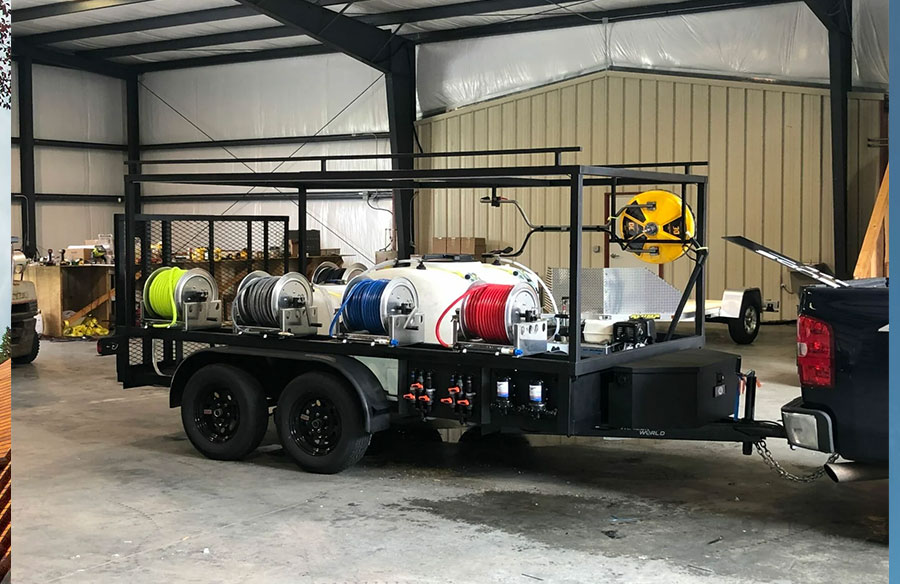
Commercial projects run bigger and longer. You need systems that can handle hours of continuous work. A pressure washing trailer delivers the capacity that smaller portable units just can’t match. These systems keep running without constant stops for refills. They handle large-scale work efficiently.
The National Institute of Building Sciences ran a study on maintenance planning. Buildings with good maintenance specs during design cost 40 percent less to operate long-term. That finding matters because your equipment choices affect how buildings perform for decades.
Check Your Project Mix
Pull up your last 20 completed projects. What size were most of them? Which equipment did you actually use versus what sat unused? This simple review reveals patterns you might miss day to day.
Write down how much revenue each project type brings in. Invest in equipment that serves your most profitable work. Everything else can be rented or bought later when you have more budget.
Portability vs. Power Trade-Offs
Every tool involves choosing between easy transport and strong performance. You can’t max out both in one package. Your typical project sites tell you which matters more.
Working in Cities
Urban projects come with built-in challenges. Parking rules limit what you can bring. Building security controls your access times. Elevators might not fit your largest equipment.
Weight becomes critical in city work. Can you move it by yourself? Needing a second person every time costs money and limits scheduling. Solo operation gives you way more flexibility.
City equipment needs to check these boxes:
- Gets through standard doorways easily
- One person can carry or roll it
- Runs quiet enough for city noise limits
- Works on regular electrical outlets
Open Site Work
Suburban and rural projects give you more room to work. You can park trailers right on site. Space rarely limits your choices. Noise complaints happen way less often.
Trailer-mounted systems make perfect sense for these locations. Everything arrives loaded and ready to go. Setup takes a few minutes instead of multiple vehicle trips. That efficiency saves hours across a long project.
Multi-Purpose Systems Save Money
Single-use tools do one thing well. Multi-purpose systems handle several jobs at professional quality. The multi-purpose route costs less and takes up less storage space. Both factors matter when you’re paying rent on your workshop or office.
Look for Adjustable Features
The best multi-purpose gear includes settings you can change. Pressure controls let one machine handle both gentle and heavy work. Quick-swap attachments turn one base into multiple tools. This flexibility means buying fewer pieces overall.
You’ll also find that storage and transport get simpler. Fewer items to load means less time moving between sites. These small time savings add up fast when you’re juggling multiple projects.
Watch for these practical features:
- Settings that adjust for different work types
- Attachments that swap in seconds, not minutes
- Works with accessories you already own
- Stores compactly between jobs
Test the Versatility Claims
Marketing loves to promise versatility. Don’t just take their word for it. Time yourself switching between functions. If reconfiguring takes 15 minutes, that’s not versatile. That’s annoying.
Talk to people who own the equipment already. They’ll tell you what functions actually work well. Often, a tool advertises ten uses but only delivers three properly. Buy tools that excel at your most common tasks.
Maintenance Access is Important
All equipment breaks eventually. The real question is how long you’re down. Two days off schedule is manageable. Two weeks kill your timeline and reputation.
Check Support Before Buying
Research the manufacturer’s support system first. Can you get parts locally, or do they ship from overseas? Do repair shops in your area work on this brand? These details determine your real downtime when something breaks.
The General Services Administration sets standards for federal building maintenance. They require 90 percent of repairs to use common tools and locally available parts. Your commercial work benefits from the same thinking. Meeting this standard means getting back to work faster.
Training Makes a Difference
Quality manufacturers provide real training on their equipment. They teach proper use and basic maintenance. Companies offering training usually build better products. They want you to succeed because it reflects well on them.
Read warranty terms before you buy. What parts get covered? For how long? Can you handle basic repairs yourself, or must everything go to a certified shop? Some warranties void if you open the equipment. Others encourage owner maintenance.
Professional Standards Protect You
Industry certifications give you objective proof of quality. These standards confirm that equipment performs safely under professional conditions. That protection matters when clients question your methods or if liability issues come up.
Certifications Carry Weight
Building codes often reference specific equipment standards. Using certified gear keeps you legally protected. Your insurance company checks equipment specs, too, when reviewing your coverage. They want confirmation that you’re using professional-grade tools.
Third-party testing organizations like UL and NSF verify manufacturer claims independently. Their reputation depends on honest testing. Equipment carrying their marks actually meets the advertised specifications.
Professional associations publish equipment recommendations based on member experience. These guidelines help you dodge common problems other people have already encountered. Why learn expensive lessons yourself when others share their knowledge freely?
 Buy What Fits Your Actual Work
Equipment decisions compound over time. Good choices build efficiency into everything you do. Poor choices create problems in every project. Document what you need right now, not what you might need someday.
Demo Equipment First
Most manufacturers let you test equipment before buying. Use this chance to verify real-world performance. Demonstrations in controlled settings differ hugely from actual job sites.
Bring test equipment to an active project if you can. See how it performs in real conditions. Does it fit where you need it? Can you operate it in the spaces you actually work in? Does the battery last through your typical day?
Ask Other Professionals
People in your field offer insights you won’t find in brochures. They know which brands break down constantly. They can tell you which systems hold up across different conditions. This knowledge prevents mistakes that would otherwise cost you thousands.
Join groups where professionals discuss equipment honestly. Online forums work. So do local meetups. Ask specific questions about exact models you’re considering. Generic advice helps less than targeted feedback about particular tools.
Invest Strategically
The equipment you use daily deserves top-dollar investment. These tools touch every project. Cheap out here and you’ll regret it quickly. Items you use occasionally can be rented or bought at lower price points.
Client-facing work needs bulletproof, reliable equipment. Back-office tasks can use simpler tools. Clients remember when your camera batteries die during their building photography. They also remember when everything works smoothly.
Put your budget toward solving your most frequent problems. Everything else waits until next year. This focused approach builds complete capability without breaking your budget.
Smart Buying Saves Time and Money
Equipment choices shape how your practice runs. The right tools make projects smoother. Poor choices create problems you deal with daily.
Your project mix shows what equipment serves you best. If most of your work falls into one category, invest there first. Rent for occasional outlier projects. This approach builds capability without wasting money.
Test equipment in real conditions before buying. Demos don’t show how tools perform on actual job sites. Bring gear to an active project and see how it handles your workflow.
Talk to other professionals about their experiences. They’ll share insights marketing never mentions. Their mistakes become your education at no cost. Use that knowledge to make better decisions for your practice.