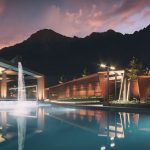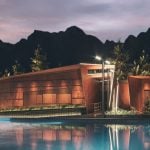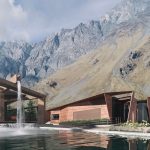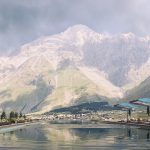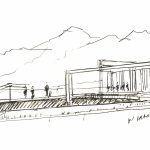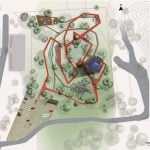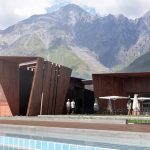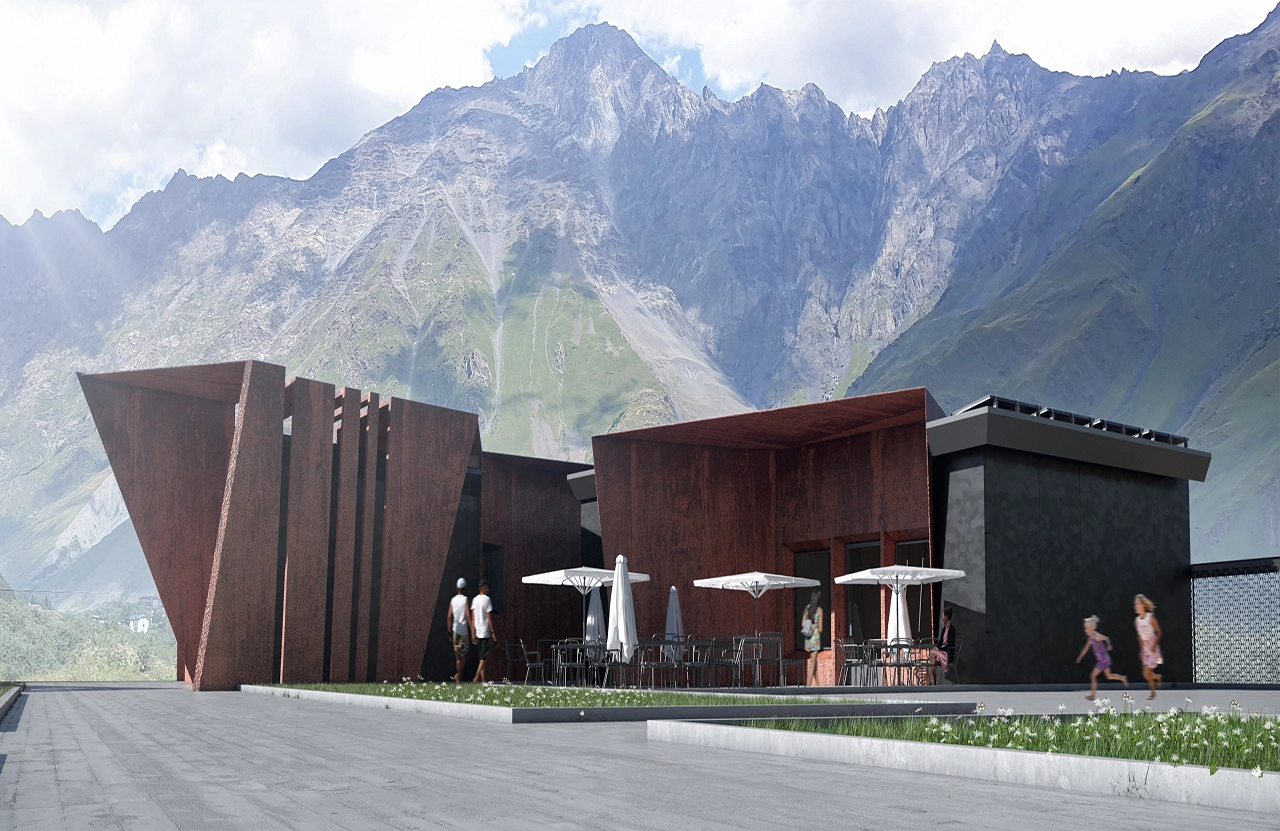
Spectrum Architecture’s Pansheti Recreational Center is an outstanding building nestled in the alpine foothills of the Kazbegi municipality, near the village of Pansheti. The project harmoniously merges local climate, topography, and cultural resonance.
Project Name: Pansheti Recreational Zone
Studio Name: Spectrum Architecture
Project location: Stephantsminda, Georgia
Design year: 2019
Status: ongoing
Built area: 3 603 m²
Site area: 7 818 m²
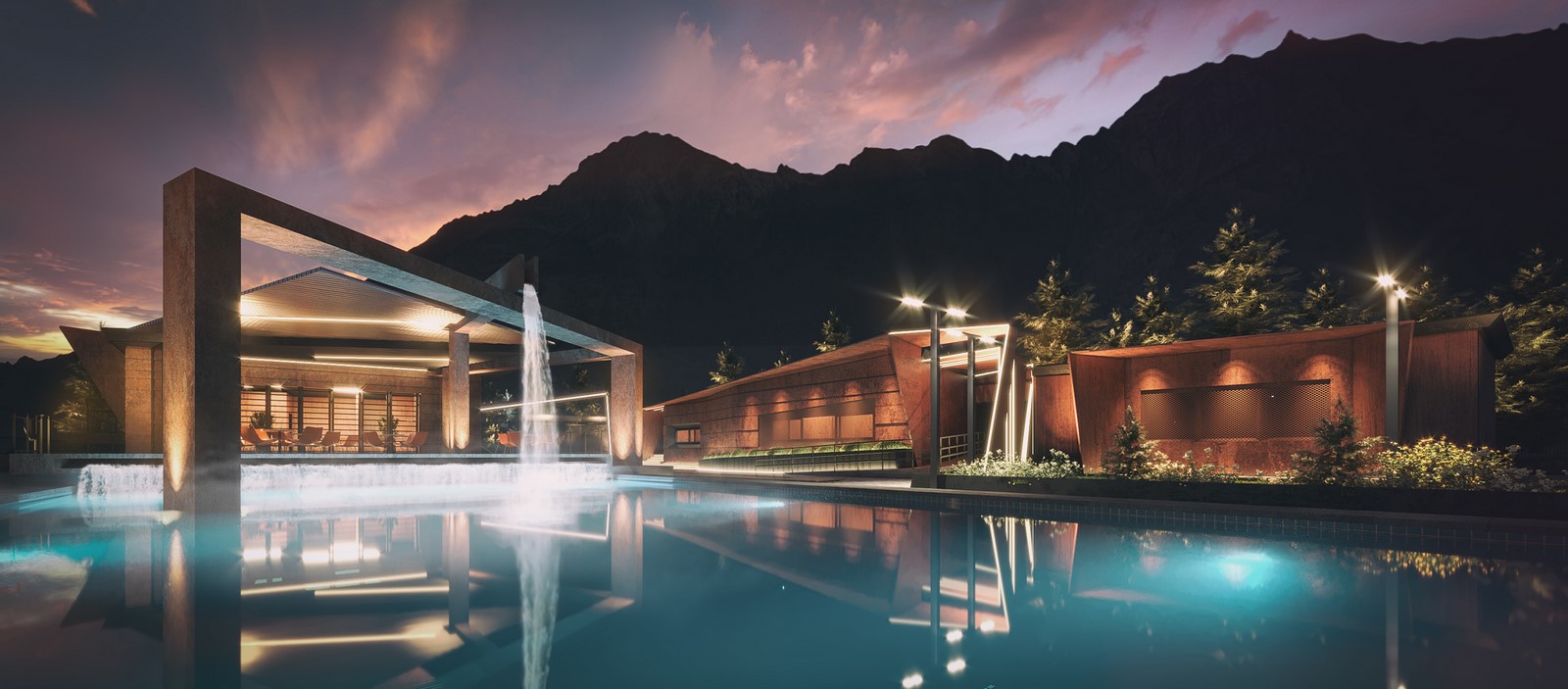
Inspired by Kazbegi’s rocky mountains, the design adopts strict geometric shapes, intentionally crafted to harmonise with the rugged mountain landscape. The architectural massing and composition prioritise visual integration: volumes step and recede, allowing views of the surrounding peaks while anchoring the structure within the site.
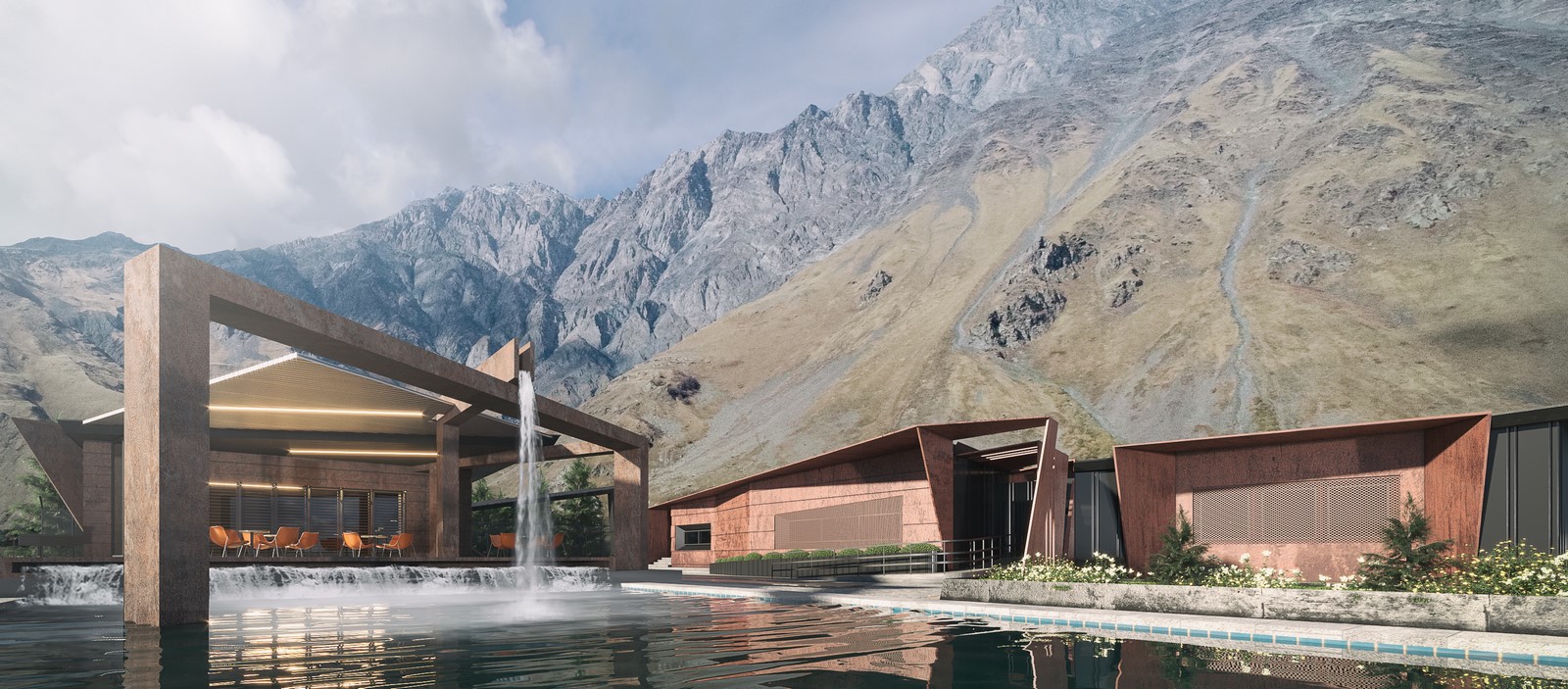
Designers selected the material and colour palette to echo the earthy tones of rock, soil, and vegetation, reinforcing the sense that the building grows organically from its setting.
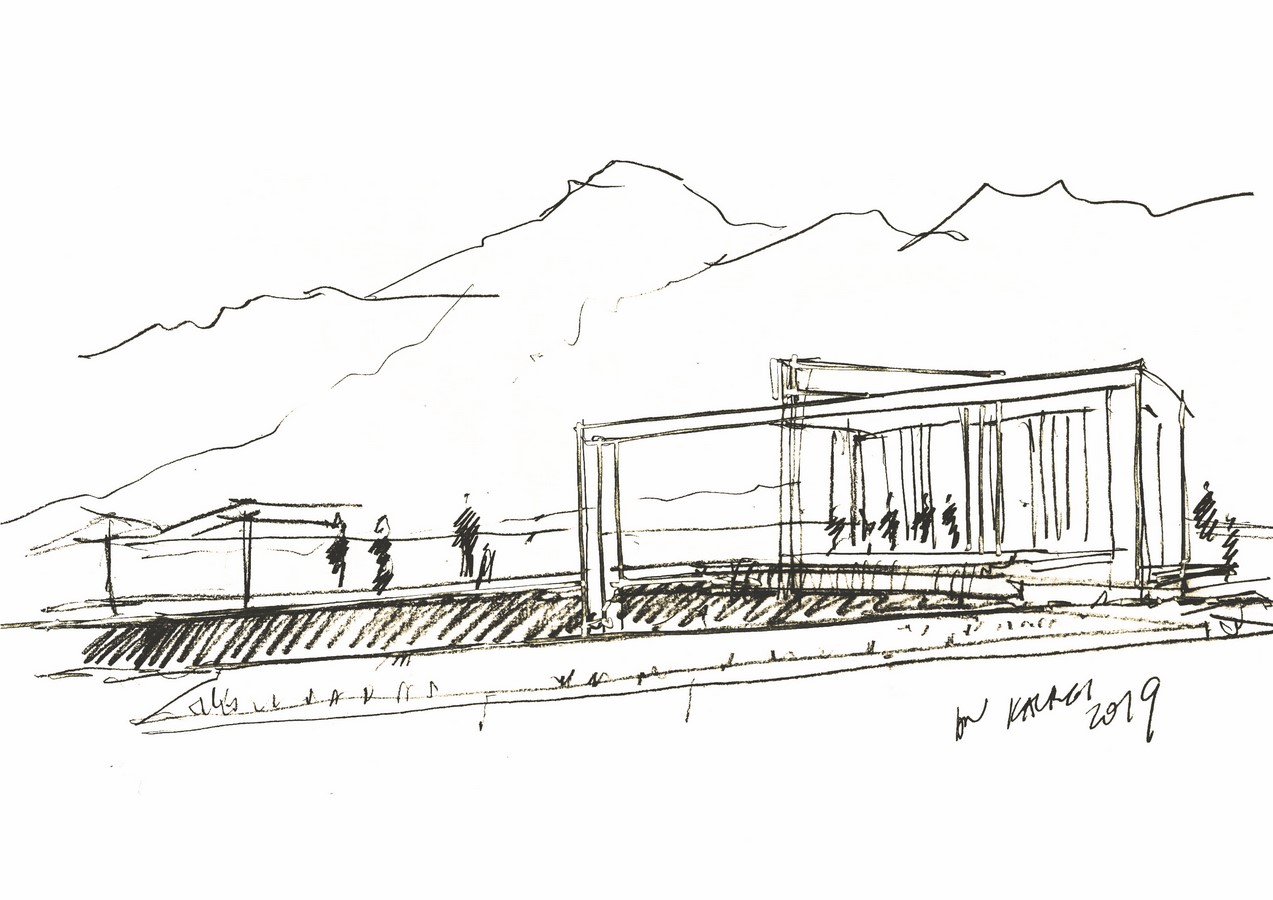
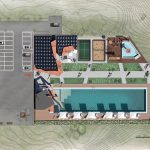
The project’s total built-up area measures 3,603 square meters, thoughtfully distributed to create a comfortable environment for visitors. The centre features Wellness zones with a main pool for adults, terraces, and a pergola. In colder months, this area transforms into a relaxation zone outfitted with infrared heaters.
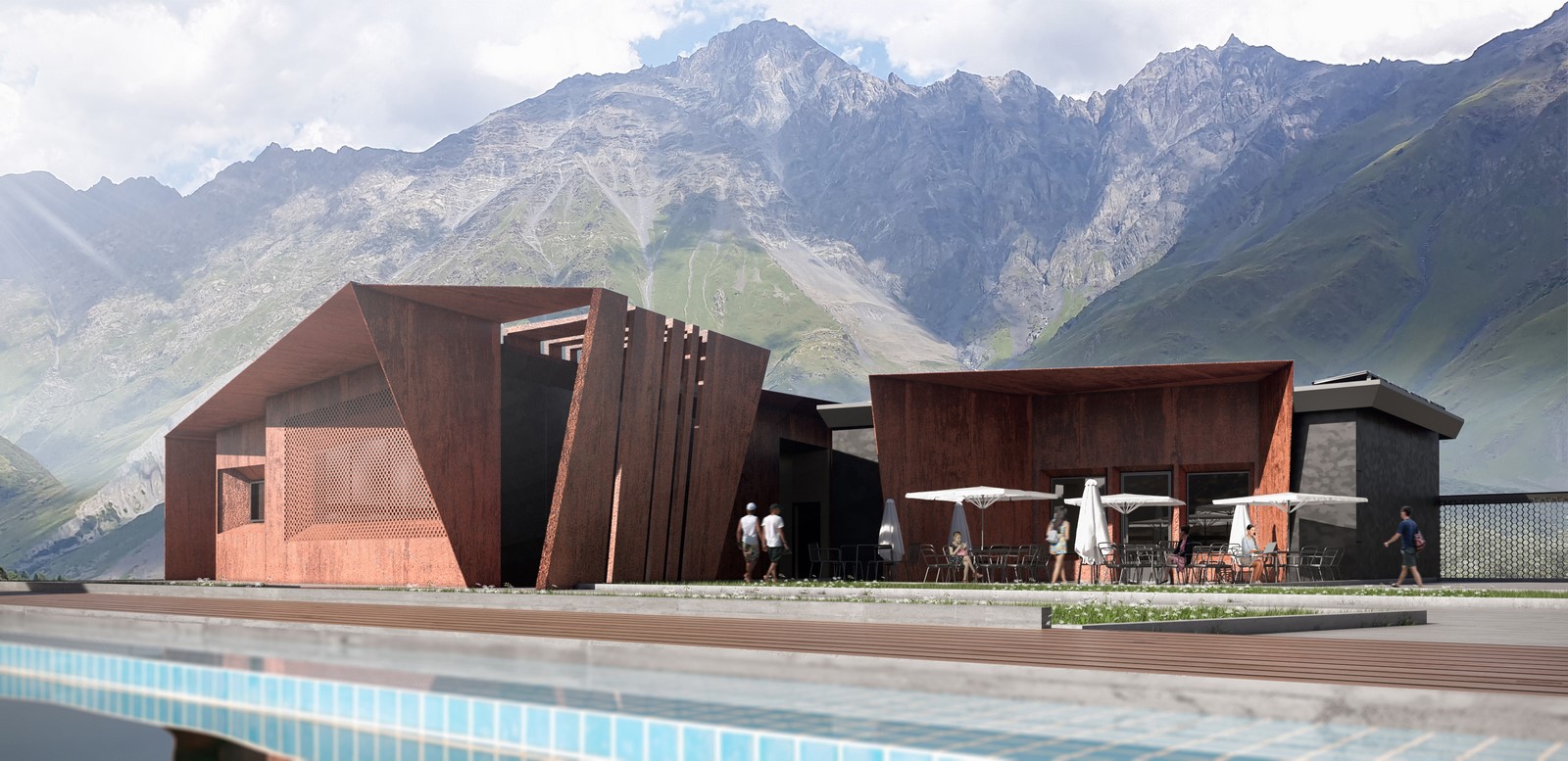
Support facilities are housed in the administrative building. The design also incorporates Children’s & Sports Areas and taps into the site’s natural spring for drinking water, an element that anchors the project in local identity. Accessibility is integral: all areas accommodate people with disabilities.
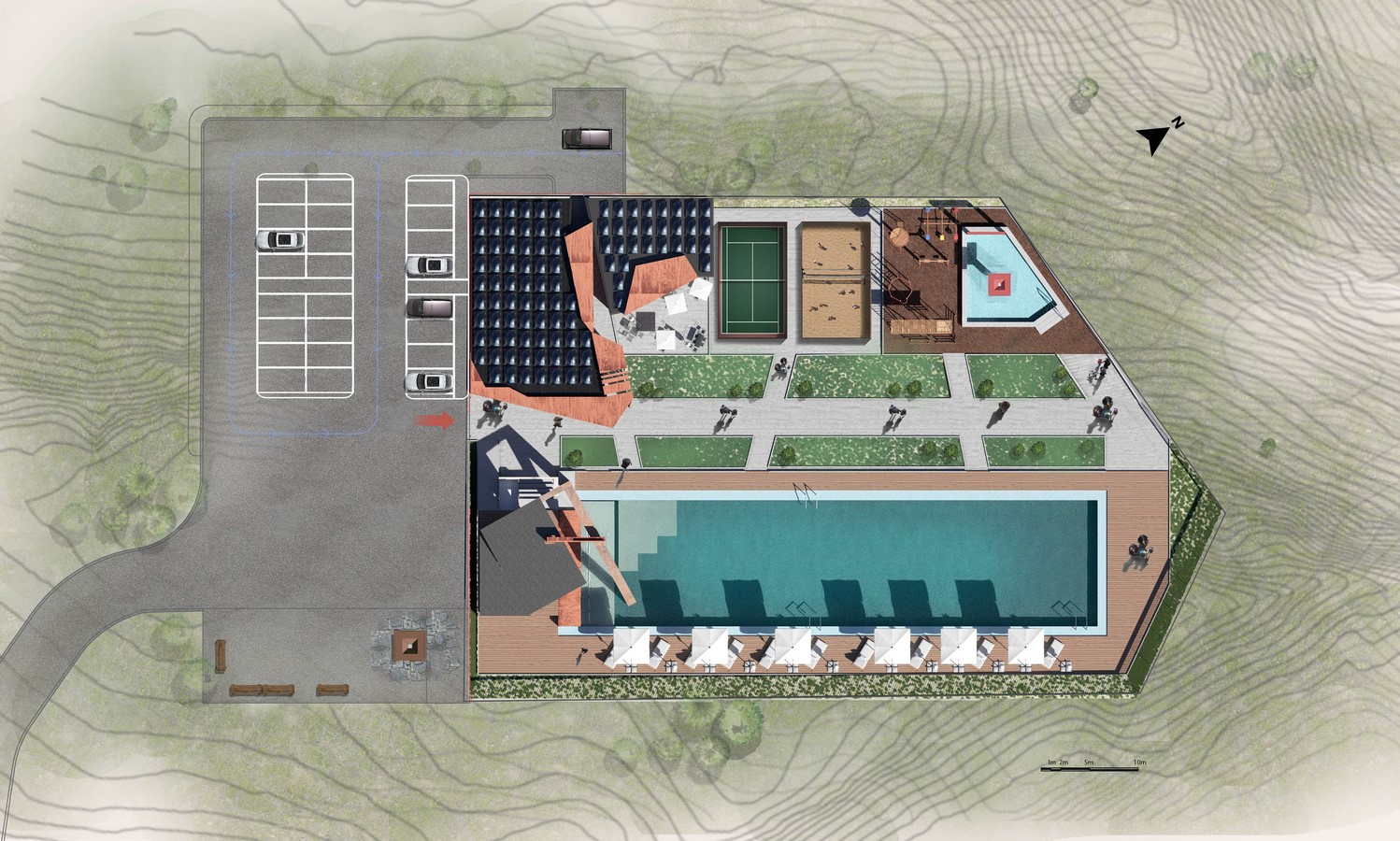
Sustainability and adaptability are key. The recreational zones incorporate photovoltaic panels that power parts of the facility. The transformation of the pool zone into a heated lounge area in winter demonstrates thermal adaptability. The surrounding parcels are intentionally designed to stimulate local business development, creating economic synergy with the project. The architecture frames nature rather than imposing upon it, offering a refined balance of bold geometry and context.