
Picture this: saying “I do” with your toes in the sand, surrounded by palm trees and your closest friends and family. Or maybe exchanging vows in a historic castle overlooking rolling hills. Destination weddings have exploded in popularity, and it’s easy to see why. They’re not just weddings—they’re experiences that turn your big day into an unforgettable adventure. But here’s the thing: planning a wedding away from home requires a different approach than your typical hometown celebration. From navigating legal requirements to coordinating guests across time zones, there’s a lot to consider. Let’s walk through the essential elements that’ll help you pull off the destination wedding of your dreams.
Choosing the Perfect Location
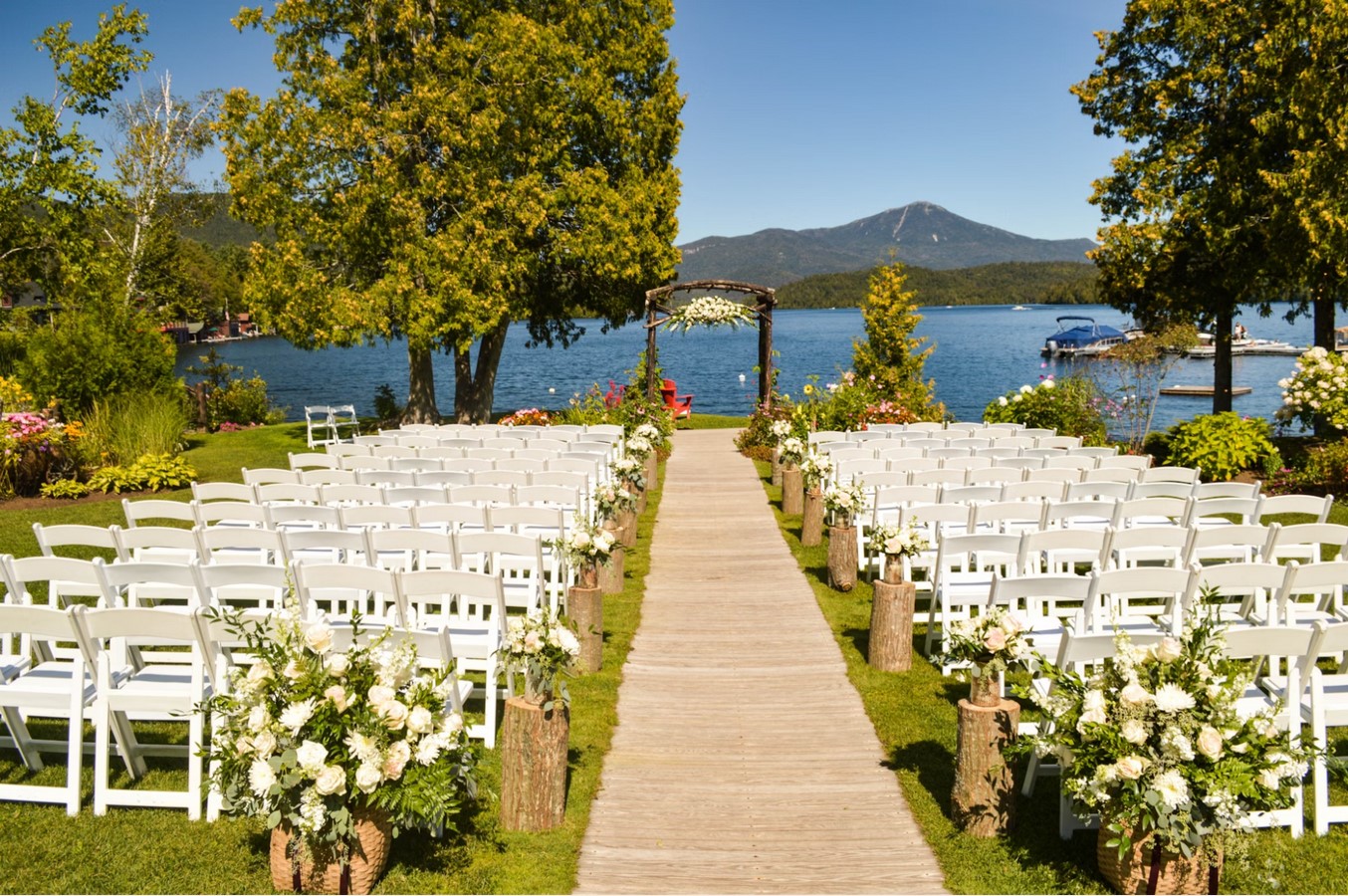 This is where the magic starts. Your location sets the entire tone for your celebration, so take your time with this decision.
Factors to Consider When Selecting Your Venue
First things first—think about the climate and season. A beach wedding sounds dreamy until you realize it’s monsoon season. Research the weather patterns for your chosen destination during your preferred wedding month. You don’t want your outdoor ceremony rained out because you didn’t do your homework.
Accessibility matters more than you might think. Sure, that remote island looks stunning in photos, but if your guests need to take three connecting flights and a boat to get there, you might see your guest list shrink fast. Consider how easy it is for people to actually reach your venue. Direct flights, reasonable travel times, and nearby accommodation options all factor into this.
Don’t forget about legal requirements. Every country has different rules about marriage licenses, waiting periods, and documentation. Some places require you to arrive several days before the wedding to file paperwork. Others have residency requirements. Do your research early or you might find yourself legally married at home and symbolically married abroad.
Popular Destinations in Southeast Asia
Southeast Asia has become a hotspot for destination weddings, and for good reason. You’ve got stunning tropical beaches in Thailand and Bali, the cultural richness of Vietnam, and the modern sophistication of cities like Singapore. Each offers something unique.
Singapore, for instance, combines urban elegance with Asian traditions beautifully. You get world-class venues, incredible food, and a city that’s easy for international guests to navigate. Plus, it’s a fantastic blend of modern and traditional, which appeals to couples wanting both contemporary style and cultural depth.
Understanding Legal and Documentation Requirements
Let’s talk paperwork—I know, not the most romantic topic, but trust me, you need to nail this part.
Marriage License and Paperwork
Start researching marriage laws in your destination country at least six months before your wedding. Some countries make it super easy for foreigners to marry, while others have complex requirements. You’ll likely need original birth certificates, passports, and possibly proof that you’re free to marry (like divorce decrees if either of you was previously married).
Many couples actually opt for a legal ceremony at home and a symbolic ceremony at their destination. This can simplify things massively. You handle the boring legal stuff in your home country where you understand the system, then focus purely on the celebration abroad.
Guest Travel Logistics
Your guests are making a significant commitment to attend your destination wedding, so make their lives easier. Create a detailed information packet that includes visa requirements for your chosen destination, recommended flight routes, and accommodation options at various price points.
Consider setting up a group booking arrangement with hotels. Many properties offer discounts for wedding blocks, and it’s nice when everyone stays in the same place—it creates a more communal feel. Plus, you can organize group activities and transportation more easily.
Essential Elements Beyond the Venue
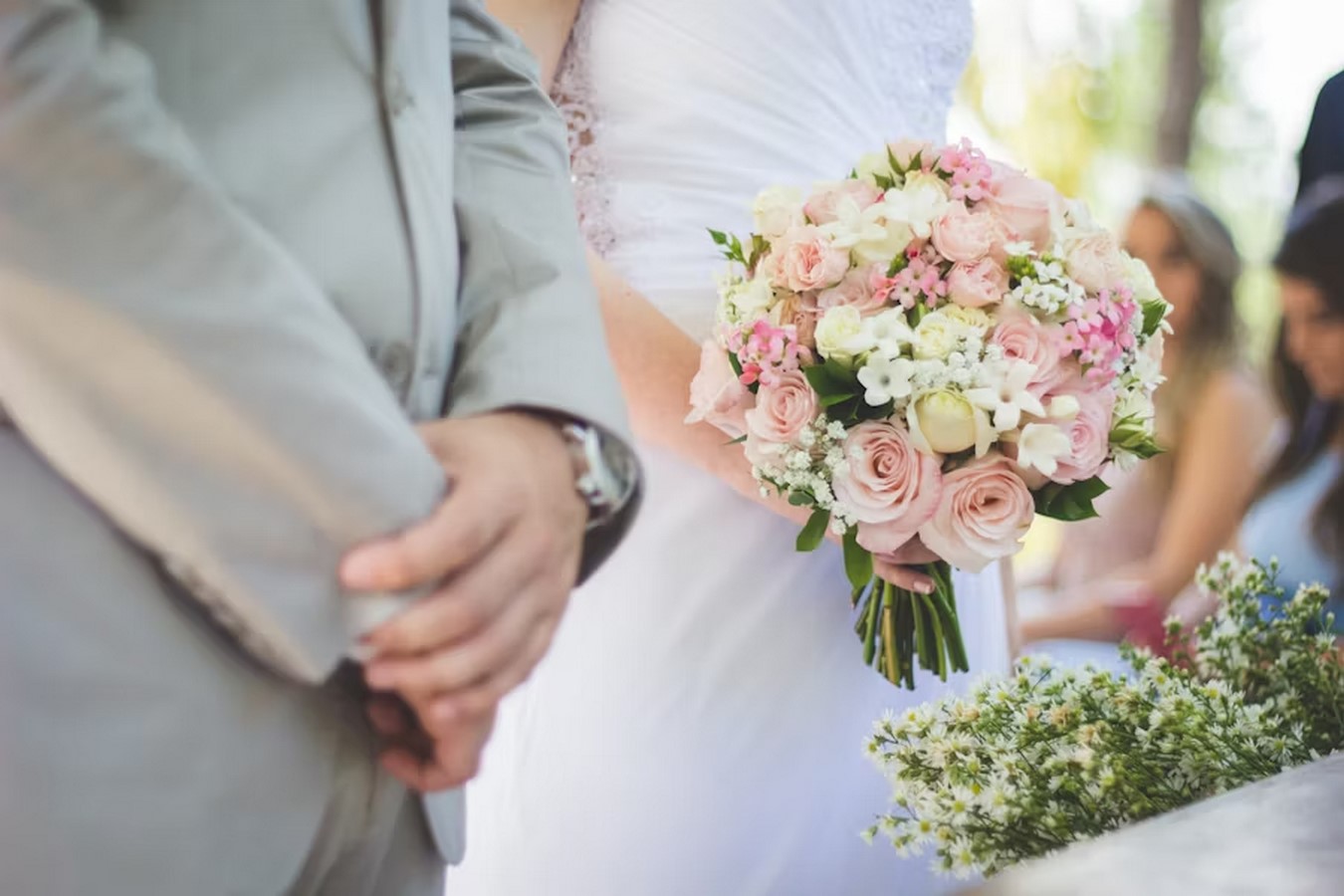 Once you’ve sorted location and logistics, it’s time to think about the details that make your wedding uniquely yours.
Ceremony Details and Personal Touches
Your ceremony should reflect who you are as a couple. Will you have traditional vows or write your own? Do you want readings from family members? Maybe you’d like to incorporate a unity ceremony—like a sand ceremony on the beach or a wine-blending ritual.
Think about music too. Live musicians can add an incredible atmosphere, but make sure you discuss logistics like sound permits if you’re outdoors and power supply for equipment.
Wedding Attire and Accessories
Here’s where things get practical. You need to think about your wedding attire differently for a destination celebration. If you’re getting married somewhere hot and humid, a heavy ballgown might not be the wisest choice. Consider lighter fabrics and styles that suit the climate while still making you feel amazing.
Transportation is another consideration—how are you getting your dress or suit to your destination safely? Many brides carry their dress on the plane rather than checking it. Grooms might opt for renting locally to avoid travel hassles.
Don’t forget about accessories and those finishing touches. Couples often finalize important jewelry purchases, including wedding bands Singapore offers through established jewelers, before departing for their destination. This ensures proper sizing, quality assurance, and the peace of mind of having these precious items secured well in advance. You definitely don’t want the stress of last-minute ring shopping in an unfamiliar city.
Pack backup accessories too—an emergency kit with safety pins, fashion tape, stain remover, and spare shoes has saved many a wedding day.
Budgeting and Financial Planning
Let’s talk money. Destination weddings can actually be more budget-friendly than traditional weddings, but only if you plan smart.
Breaking Down Destination Wedding Costs
Your major expenses will likely include the venue, accommodations for you and possibly immediate family, travel costs, and vendor fees. Don’t overlook the cost of wedding essentials like rings and jewelry—purchasing these items from a reputable jewellery store in Singapore before your departure can help you budget accurately and avoid price surprises abroad. Many couples find that while per-guest costs might be higher, the smaller guest list balances things out.
One thing people forget: tips and gratuities can add up quickly, especially in countries where tipping culture differs from home. Budget extra for this.
Cost-Saving Strategies
Want to stretch your budget? Consider off-season dates. You’ll often get better rates and more availability. A November beach wedding in the Caribbean, for instance, can be significantly cheaper than a February one.
All-inclusive resorts can be your friend. Yes, you sacrifice some customization, but the convenience and bundled pricing often work out well. Everything from catering to decorations is handled, which also reduces stress.
Keep your guest list intimate. Destination weddings naturally self-select for your closest people anyway. Embrace the smaller size—it makes the whole event feel more personal and special.
Cultural Sensitivity and Meaningful Traditions
This is about respecting where you are while honoring who you are.
Respecting Local Customs
Do your homework on local etiquette and customs. Some destinations have dress codes for religious or cultural sites. Others have specific traditions around weddings that locals appreciate seeing honored.
If you’re marrying in a country with a dominant religion different from yours, be mindful about incorporating religious elements respectfully. When in doubt, ask local vendors or your wedding planner—they can guide you on what’s appropriate.
Incorporating Symbolic Elements
The beauty of destination weddings is blending different cultural elements. Maybe you incorporate local flowers that have special meaning, or you include a traditional blessing from the region.
Working with local artisans adds authenticity to your celebration. Whether it’s handmade favors, locally sourced decorations, or traditional music, these touches make your wedding feel connected to its location rather than like it could be anywhere.
Vendor Selection and Day-of Coordination
Your vendor team can make or break your destination wedding experience.
Finding Reliable Local Vendors
A destination wedding planner who knows the area is worth their weight in gold. They have established relationships with vendors, know which ones are reliable, and can troubleshoot in the local language if needed.
For photography and videography, look at portfolios carefully. You want someone who’s shot in similar lighting and settings. Beach photography requires different skills than indoor ballroom photography.
Communication and Timeline Management
Time zones can be tricky when you’re planning from afar. Use scheduling apps to find meeting times that work for everyone. Video calls are your friend—they’re way more effective than endless email chains.
If possible, visit your destination before the wedding. Even a quick trip three or four months out helps you meet vendors face-to-face, see your venue in person, and get a feel for the location.
Always, always have backup plans. Outdoor ceremony? Know where you’ll move if it rains. This is non-negotiable.
Wrapping It Up
Planning a destination wedding involves more moving parts than a traditional celebration, but the payoff is incredible. You’re creating an experience—a vacation and a wedding rolled into one—that your guests will remember forever. The intimacy of a smaller gathering in a beautiful location creates moments you simply can’t replicate at a hometown venue.
Start planning early, stay organized, communicate clearly with your guests, and don’t sweat the small stuff. Some things will go differently than planned, and that’s okay. What matters is celebrating your love in a place that’s meaningful to you, surrounded by the people who matter most.
Your destination wedding is an adventure from start to finish. Embrace it, enjoy the planning process, and get ready for the most amazing celebration of your life.
Frequently Asked Questions
How far in advance should we start planning our destination wedding?
Ideally, give yourself 12 to 18 months. This gives you time to research venues, allows guests to save money and request time off work, and ensures you can book your preferred vendors. That said, if you’re planning something smaller or more flexible, 9 months can work—just be prepared to move quickly and potentially compromise on some choices.
Should we cover travel costs for our guests?
This is entirely up to you and your budget. Most destination wedding guests expect to pay their own way, understanding that their attendance is both a gift and a vacation. However, some couples choose to subsidize costs for immediate family or wedding party members. Whatever you decide, communicate expectations clearly and early so guests can plan accordingly.
How do we keep guests entertained for multiple days?
Think beyond the wedding day itself. Organize a welcome dinner or cocktail hour when guests arrive, plan optional group activities like snorkeling or city tours, and host a farewell brunch. Provide information about local attractions so guests can explore independently too. The key is offering options without making everything mandatory—people appreciate flexibility during their vacation.
What if some of our important people can’t make the trip?
This is one of the toughest parts of destination weddings. Consider live-streaming your ceremony so those who can’t attend can still watch in real-time. Some couples also host a casual celebration at home after returning—nothing formal, just a party where you can celebrate with those who missed the main event. Remember, the people who truly matter will make every effort to be there.